17 Small Backyard Ideas to Maximize Your Space
A small backyard can feel hard to use when every chair, planter, and table takes up valuable room. You may want a place to eat, relax, grow plants, and spend time with family. But once you start adding things, the yard can quickly feel crowded.
The good news is that you do not need a large lawn to create a useful outdoor area. The right small backyard ideas can help you make better use of every corner. Simple choices, such as built-in seating, vertical planters, folding furniture, and clear pathways, can change how the space looks and works.
Start by thinking about what you need most. Do you want a quiet reading spot? A place for outdoor meals? More privacy? Space for children or pets?
Once you know the main goal, you can choose ideas that support it. You do not need to use all 17. Pick the options that solve your biggest problems and fit your budget.
Plan a Small Backyard Layout That Fits Your Life
A poor layout can make a small yard feel even tighter. Before you buy furniture or plants, decide how you want to use the space.
Start by measuring the full yard. Mark doors, gates, steps, drains, and fixed features. Then note where the sun falls during the morning and afternoon. This can help you choose the best spots for seating and plants.
Next, choose one main purpose. A family may need an open play area. A couple may prefer a dining table and a small garden. Someone who works long hours may want a quiet, low-care space.
You can still create small zones. Just keep them simple.
For example, a 12-by-20-foot backyard may include:
- A six-foot seating area near the house
- A narrow planting strip along the fence
- A clear path to the gate
- A storage box in one corner
Keep the main walkway open. A path that is about three feet wide is easier to use, though the right width depends on your yard and local building rules.
Good backyard space planning gives each feature a reason to be there. If an item does not support your main goal, it may not belong in the final layout.
Use Built-In Benches to Save Floor Space
Separate chairs can take up more room than you expect. They also leave awkward gaps that are hard to use.
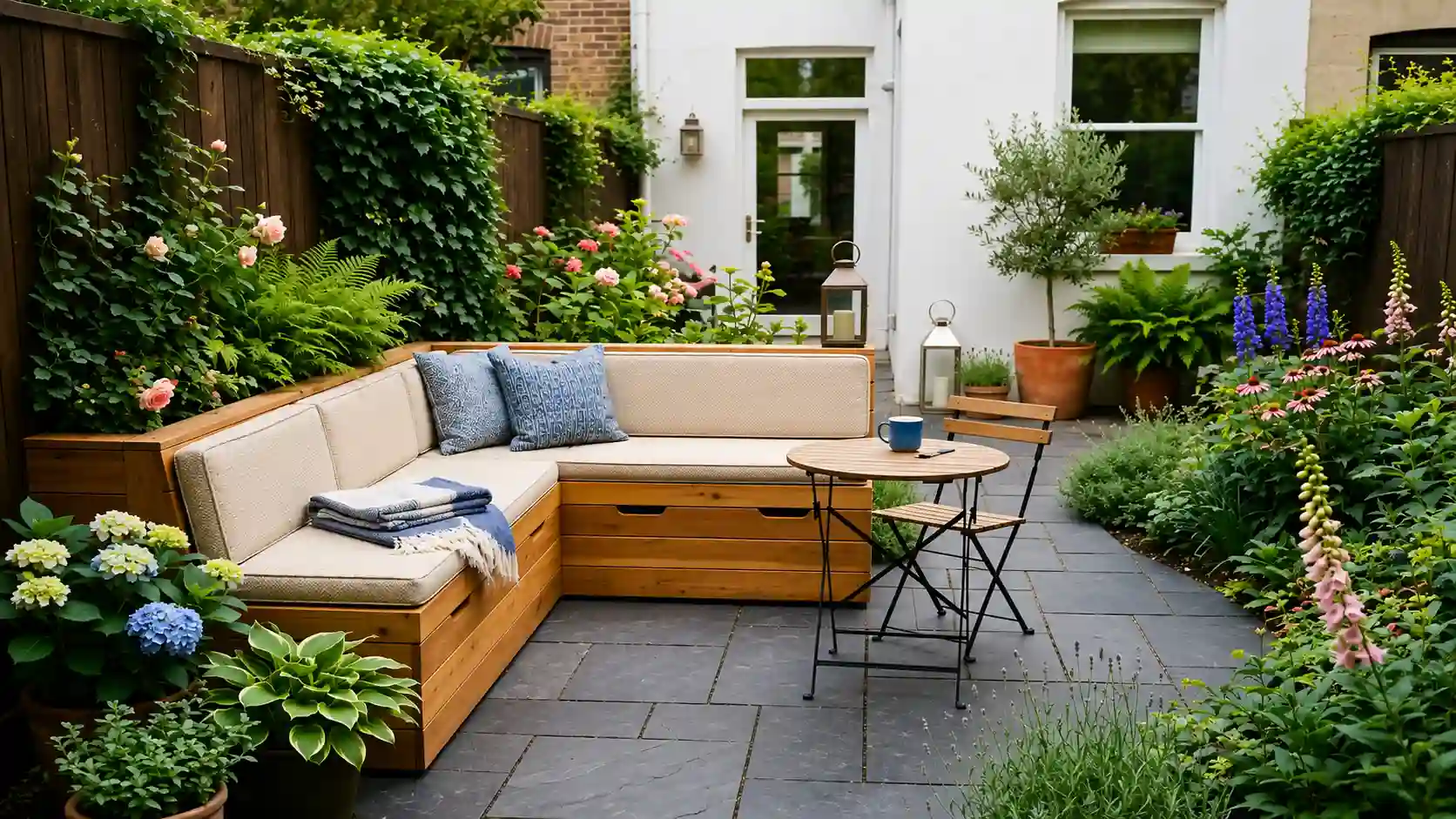
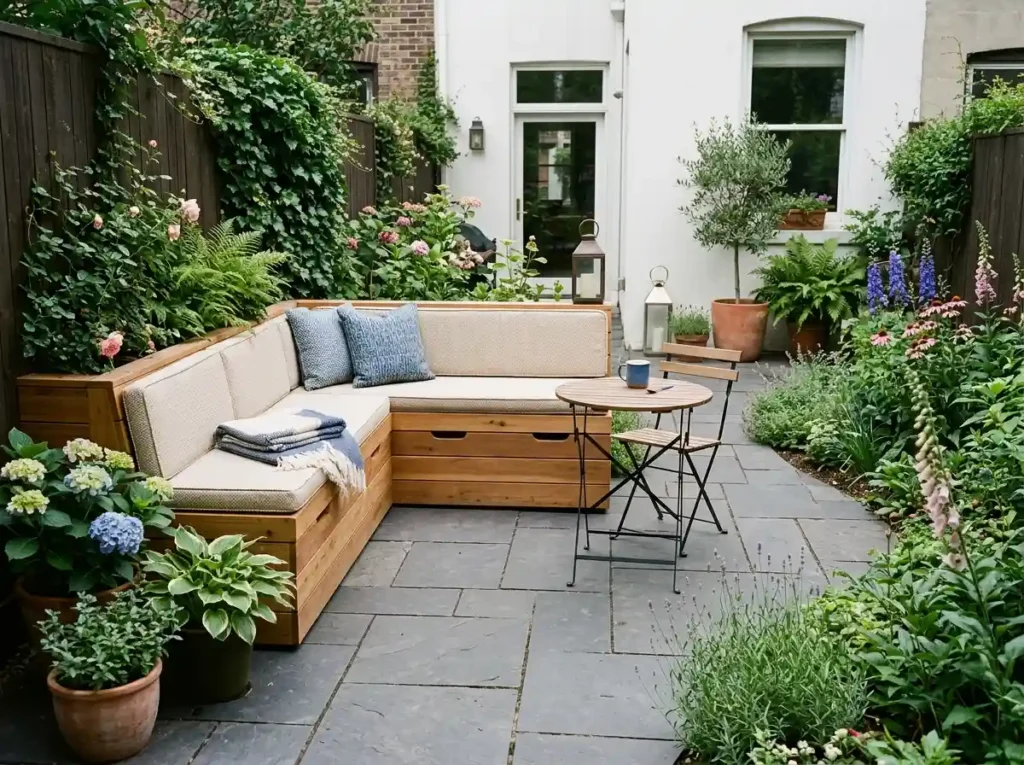
A built-in bench solves this problem by placing seating against a wall or fence. This keeps the center of the yard open and gives the space a cleaner shape.
An L-shaped bench works well in a corner. A straight bench may be better for a narrow yard. Add outdoor cushions that can be removed during rain or winter.
Storage under the seat makes the bench even more useful. You can keep cushions, toys, watering cans, or small garden tools inside. Make sure the storage area is raised or protected from standing water.
Built-in outdoor seating does require more work than buying chairs. It is also harder to move later. For renters, a freestanding storage bench may be a better choice.
Best for: Narrow yards, patios, and homes that need seating plus storage.
Add Vertical Planters Instead of Wide Garden Beds
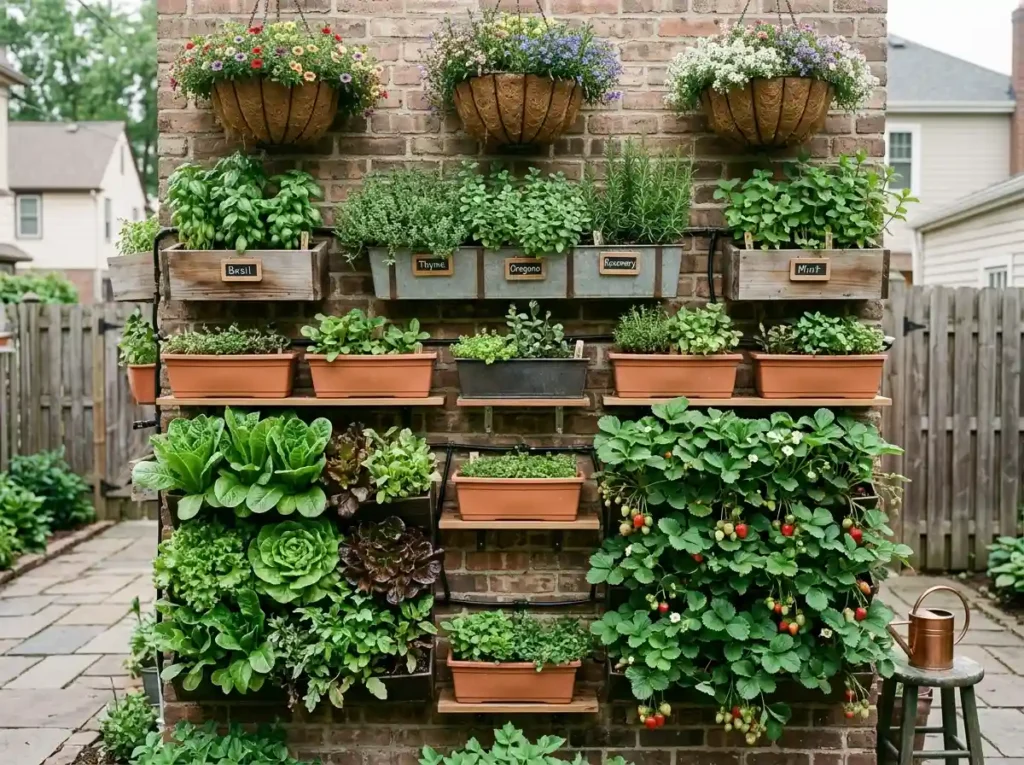
A wide garden bed can remove a large part of your walking or seating space. Vertical planters let you grow more without using as much ground.
Use fences, walls, railings, or freestanding frames. You can install wall pockets, stacked pots, hanging baskets, or narrow planter shelves.
Herbs are a good choice for wall-mounted boxes near the kitchen. Lettuce and strawberries can grow well in stacked containers. Small flowers can add color without spreading across the ground.
Check how much sun the wall receives before choosing plants. A hot south-facing wall may dry out quickly. A shaded fence may work better for plants that prefer less sun.
Also think about watering. Pots placed high on a wall can dry faster than garden beds. A small drip line or self-watering planter can make care easier.
Vertical garden ideas work well because they draw the eye upward. This can help a short or narrow yard feel taller and more complete.
Best for: Garden lovers with limited ground space.
Choose Folding or Stackable Outdoor Furniture
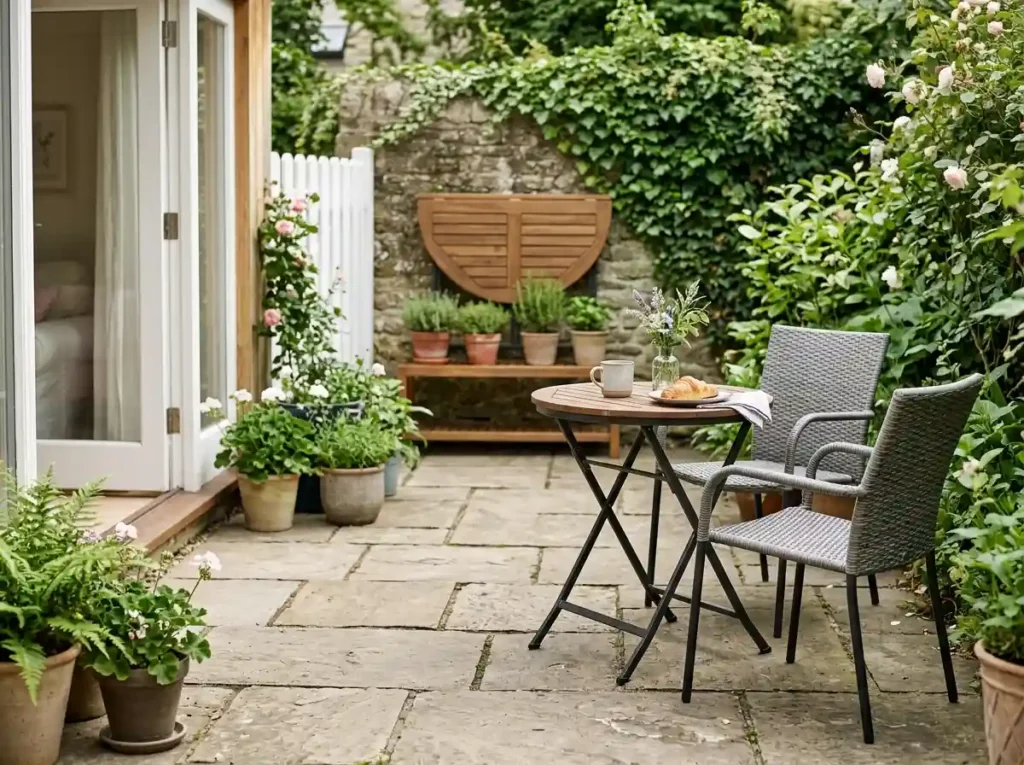
Large furniture can control the whole layout of a small yard. A deep outdoor sofa may look comfortable, but it can leave little room for movement.
Folding or stackable furniture gives you more control. You can open it when guests arrive and store it when you need extra room.
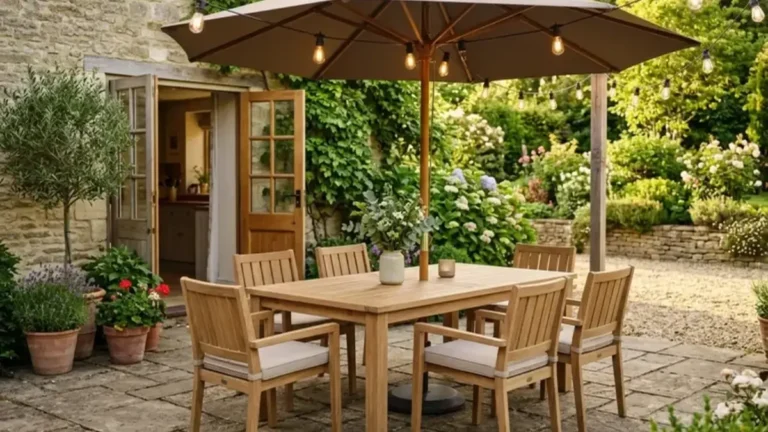
A small bistro table works well for morning coffee or casual meals. A wall-mounted table can fold flat when it is not being used. Stackable chairs can fit inside a shed, storage box, or covered corner.
Choose lightweight pieces that you can move without help. Look for outdoor materials that can handle rain, sun, and regular use.
Avoid buying a full furniture set just because it looks good in a large display area. Measure each piece first. Then mark its size on the ground with tape or cardboard.
This simple test can stop you from buying compact backyard furniture that is not actually compact enough for your space.
Best for: Multi-use yards, rental homes, and small patios.
Create One Clear Focal Point
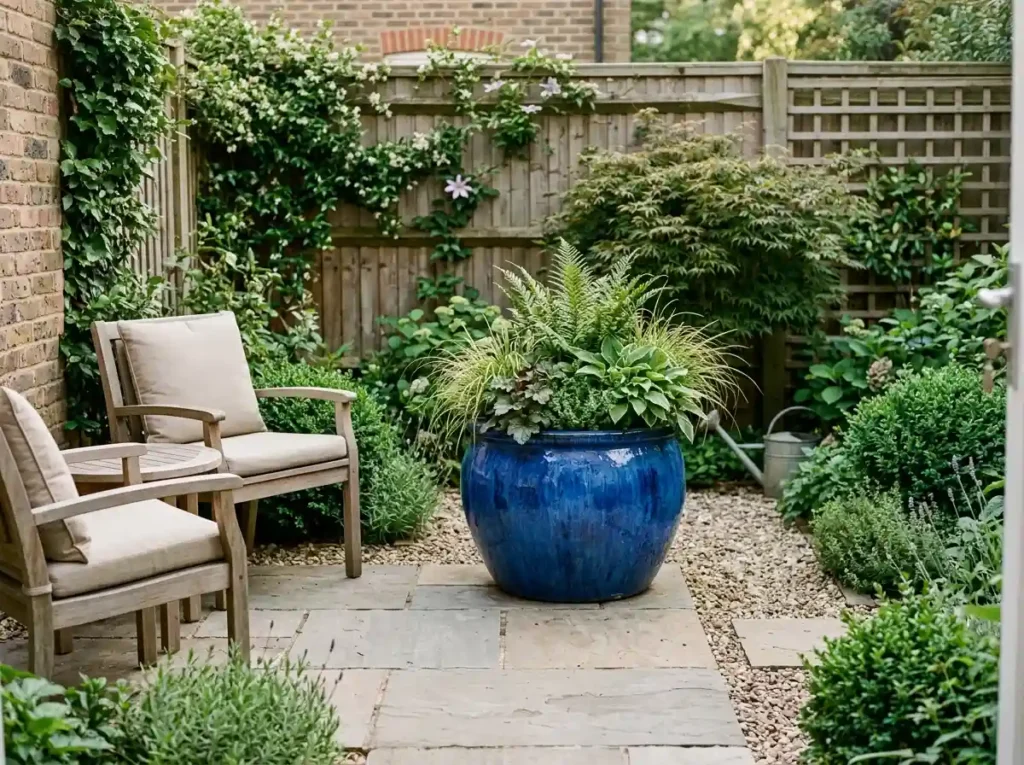
A small backyard can feel messy when every object tries to attract attention. Several bright pots, wall signs, fountains, and furniture styles can make the space look busy.
Choose one main focal point instead.
This could be a large glazed planter, a compact water feature, a painted wall, or a small ornamental tree. Place it where you can see it from the house or main seating area.
The rest of the design should support that feature. If you choose a bright blue planter, use quieter colors around it. If you add a small fountain, keep nearby decorations simple.
A focal point also gives the eye a place to rest. This can make the yard feel more planned and less crowded.
Do not choose a feature that is too large for the area. A huge fountain or wide tree may become a problem as plants grow or space needs change.
Best for: Plain yards that need more style without more clutter.
Use Light Colors to Make the Yard Feel Larger
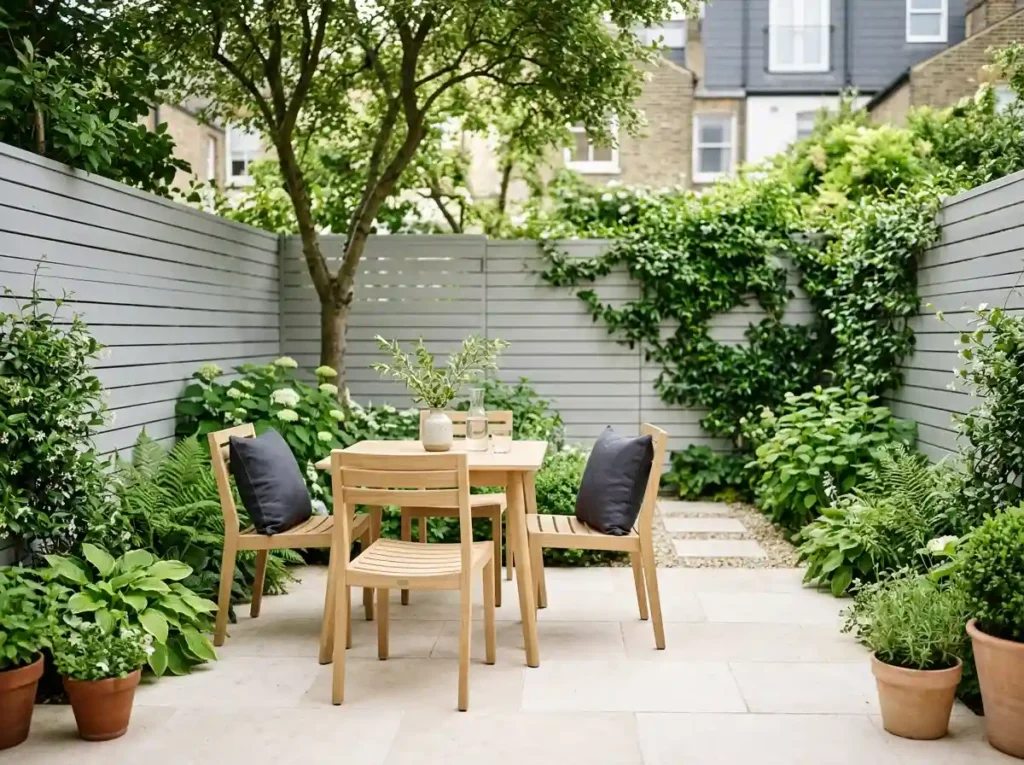
Dark fences, heavy furniture, and deep paving colors can make an enclosed yard feel smaller. Light colors can make the same space feel more open.
Try warm white, soft gray, sand, pale green, or light beige. You can use these shades on fences, cushions, planters, and outdoor rugs.
Light surfaces reflect more daylight. This can help shaded corners feel brighter. It also creates a calmer background for plants and furniture.
You do not need to make everything white. Too much white may show dirt and marks. Use darker colors in smaller details, such as throw pillows, plant pots, or tableware.
Keep the main color group simple. Two or three main shades are often enough.
For example, you may use a soft gray fence, light wood furniture, and green plants. Add one darker color through cushions or planters.
This is one of the easiest ways to make a small backyard look bigger without changing the layout.
Best for: Shaded, narrow, or enclosed yards.
Install a Narrow Path to Improve Flow
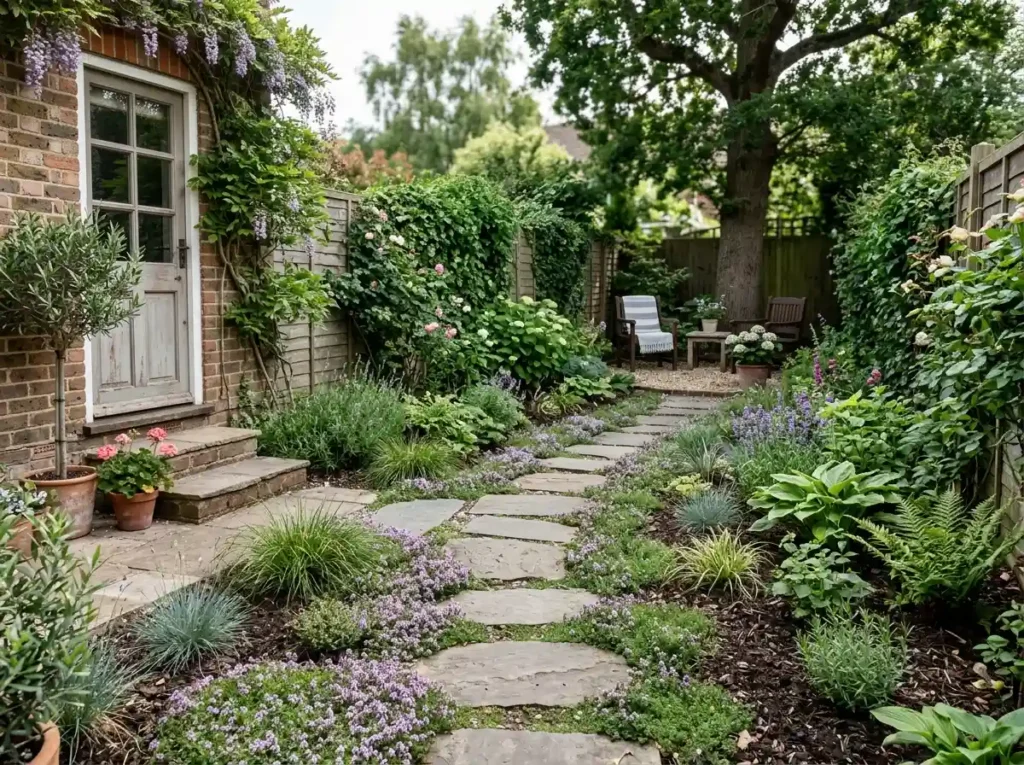
A clear path helps people move through the yard without stepping around furniture or plants.
The path does not need to be wide or expensive. You can use stepping stones, gravel, bricks, or narrow pavers. Keep the route simple and direct.
A path from the back door to the seating area can make the yard feel more organized. A second path to the gate or storage space may help if there is enough room.
Avoid making too many small paths. They can break the yard into tiny pieces and reduce useful space.
Low plants can soften the edges. Creeping thyme, low grasses, or compact ground covers may work, depending on your climate and sunlight.
Check drainage before laying gravel or paving. Water should move away from the house and should not collect beside doors or steps.
A small backyard pathway improves both appearance and daily use. It also helps visitors understand where to walk.
Best for: Long, narrow yards and spaces with separate activity areas.
Use an Outdoor Rug to Define a Seating Zone
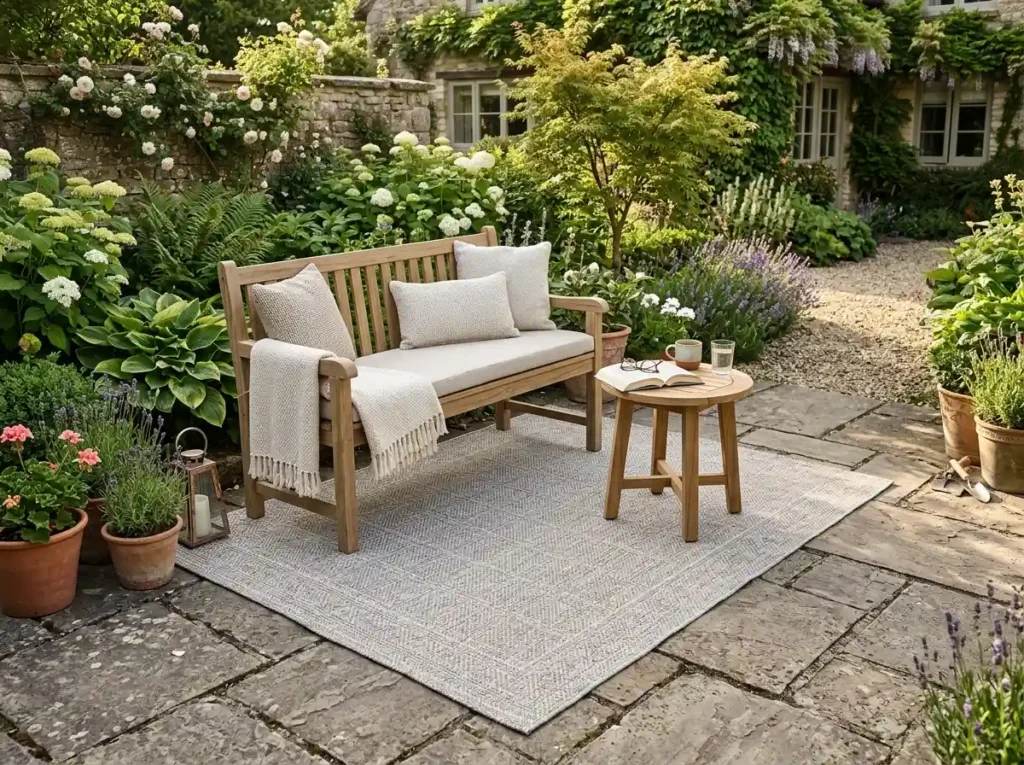
A small backyard may need to serve several purposes. An outdoor rug can create a clear seating or dining zone without adding walls.
Place the rug under the main furniture. The front legs of chairs or benches should sit on it so the group feels connected.
Choose a size that fits the furniture. A rug that is too small can make the space feel broken. A rug that covers the whole yard may make the area feel flat and closed.
Use outdoor materials that can handle moisture and sunlight. The rug should also dry quickly after rain.
A rug can separate:
- A small dining space
- A reading corner
- A children’s play area
- A bench and coffee table
Patterns can add interest, but keep them simple if the rest of the yard already has strong colors.
The rug will need cleaning, and it may not suit yards with poor drainage. In those cases, use paving or a change in gravel color to mark the zone.
Best for: Patios and paved yards that need clearer sections.
Add Privacy Without Closing In the Yard
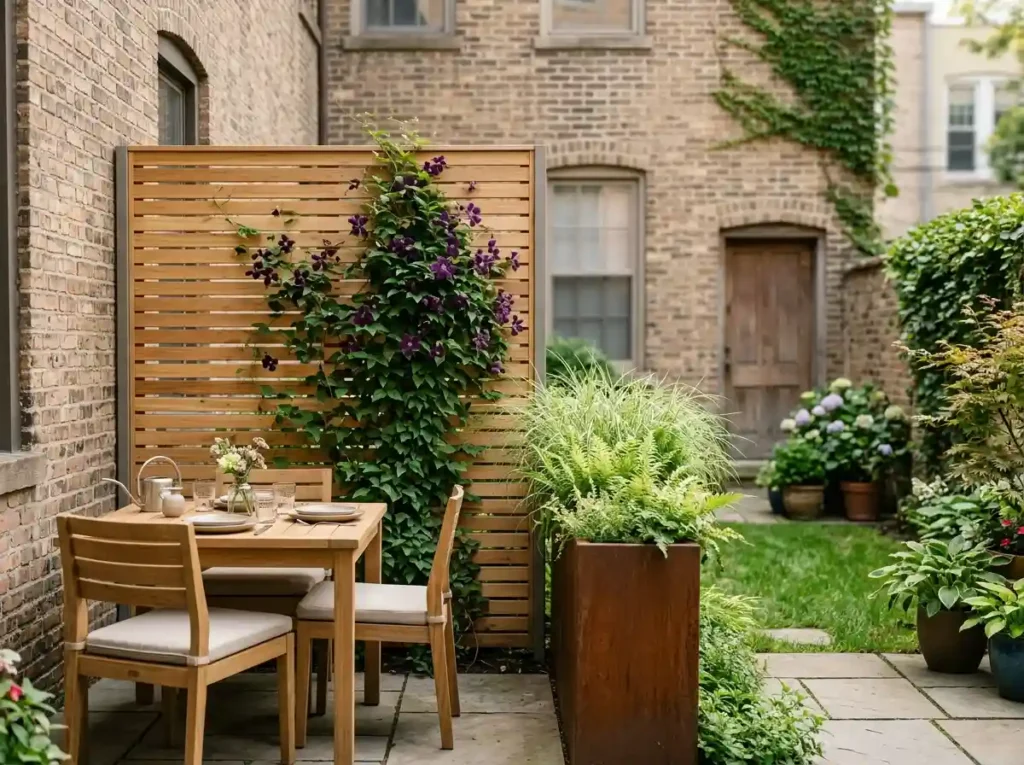
You may avoid using your backyard because nearby homes can see directly into it. A full solid wall can fix the view, but it may also block light and air.
A better option is to cover the main sightlines.
Use a wooden slat panel, lattice screen, tall planter, or trellis. Place it where you need privacy most, such as beside a dining table or lounge chair.
Climbing plants can soften a screen. Jasmine, clematis, or other suitable vines may work, depending on your climate. Check how large the plant will become before planting it.
Outdoor curtains can help around a pergola or covered patio. They can be opened when privacy is not needed.
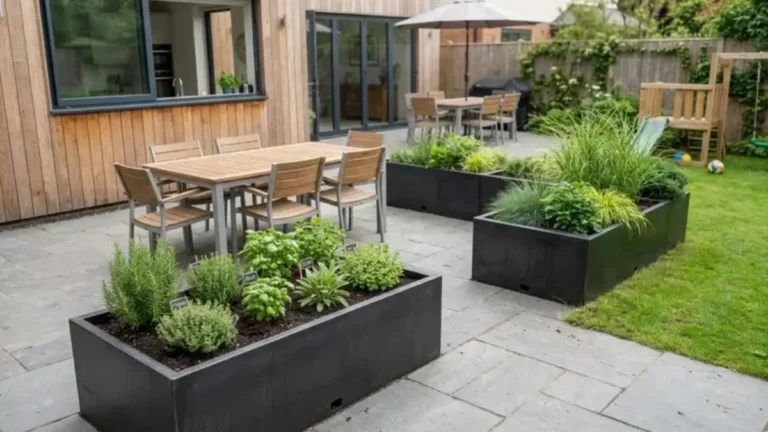
Tall rectangular planters also work well. They add greenery while creating a light barrier.
Check local rules before adding tall fences, screens, or fixed structures. Some areas have height limits or require approval.
Small backyard privacy ideas work best when they block the unwanted view without surrounding the whole yard.
Best for: Urban homes, townhouses, and overlooked patios.
Hang String Lights for a Warmer Space at Night
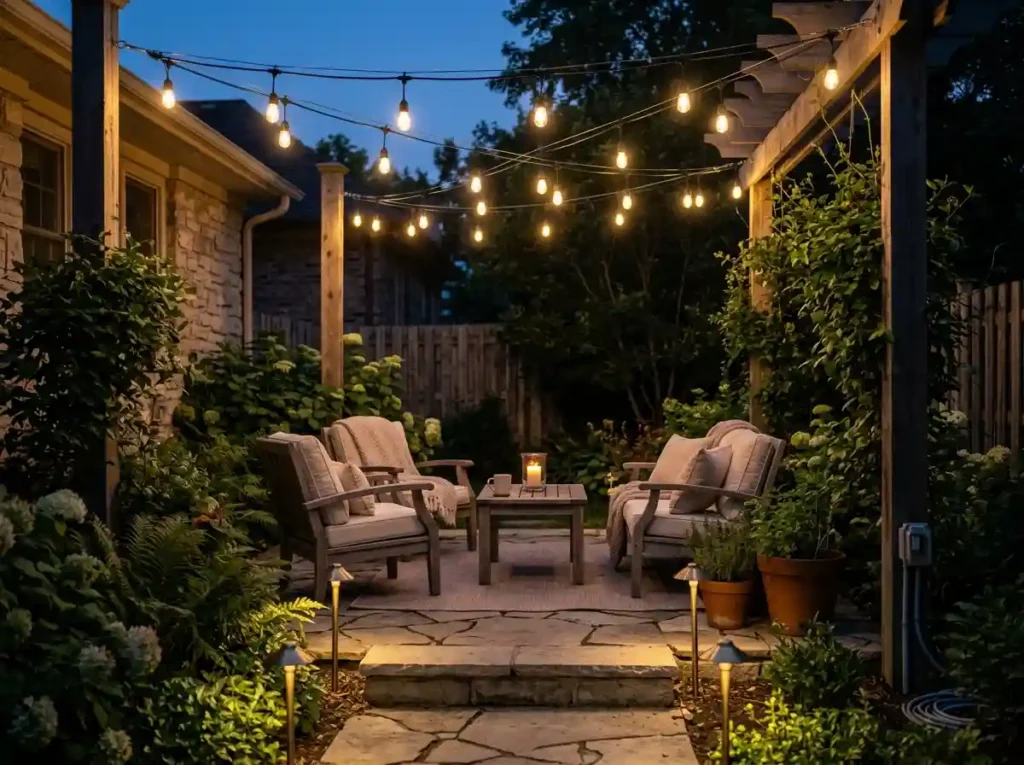
A small yard can feel dark and unused after sunset. Soft lighting makes it easier to enjoy the space during evening meals or quiet nights outside.
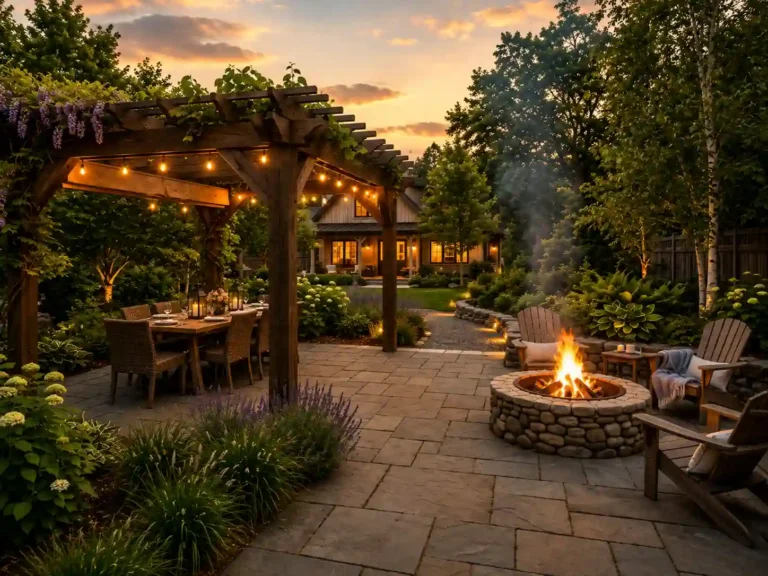
Hang outdoor string lights along a fence or above the seating area. A simple zigzag pattern can create even light without using many fixtures.
Choose warm lighting instead of harsh white bulbs. Warm light often feels softer and more relaxing.
Solar lights may work where wiring is difficult. However, they need enough sunlight during the day. Their brightness may also vary.
Use low path lights near steps, edges, and walkways. These help people move safely without making the whole yard too bright.
Make sure every product is made for outdoor use. Keep plugs and connections protected from water. Do not hang lights from weak branches or unstable supports.
Good backyard lighting should improve the space without creating glare for you or your neighbors.
Best for: Evening dining, small patios, and cozy seating areas.
Choose Features That Do More Than One Job
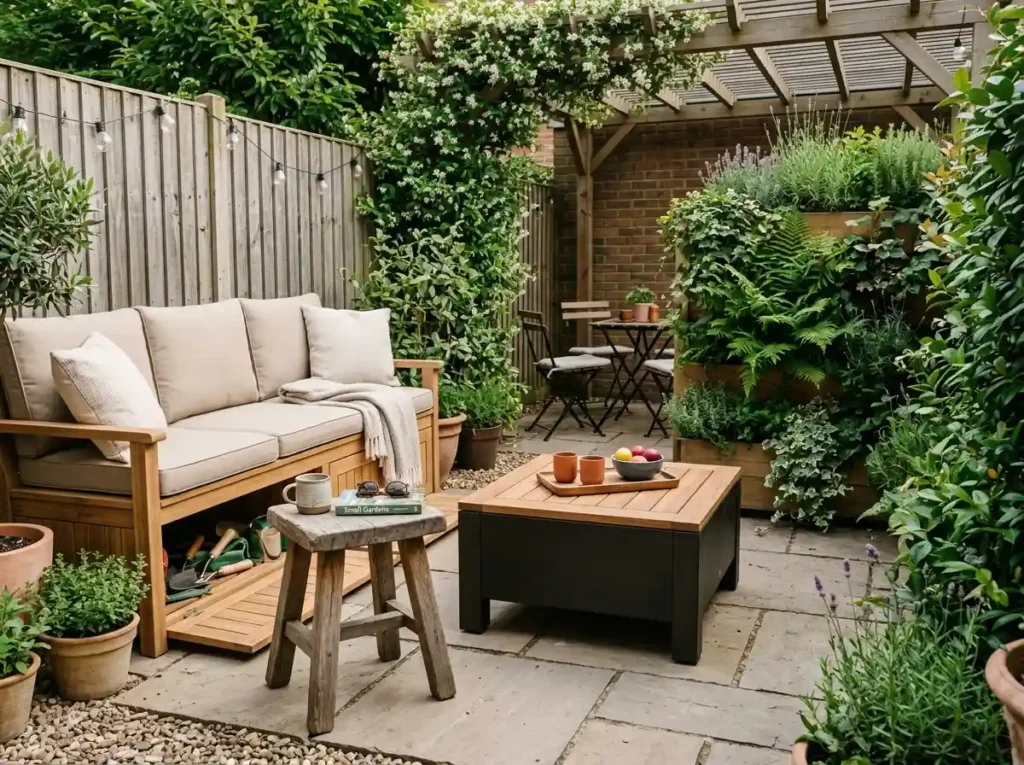
Every item in a small yard should earn its place.
A storage bench gives you seating and hidden space. A stool can work as a side table or an extra seat. A planter can divide two zones while holding herbs or flowers.
A fire pit with a fitted cover may become a low table when it is cool. A rolling cart can hold food during a meal and gardening supplies during the week.
Look for furniture that can change as your needs change. This is more useful than filling the space with separate items.
Still, do not buy a product just because it claims to have several uses. Some pieces do many jobs poorly. Check the size, strength, storage space, and ease of use.
For example, a storage bench is useful only if it stays dry and is comfortable to sit on.
Multi-purpose outdoor furniture can reduce clutter, but each piece should still solve a real problem.
Best for: Very small yards and homes with little storage.
Add a Small Fire Pit for a Cozy Gathering Area
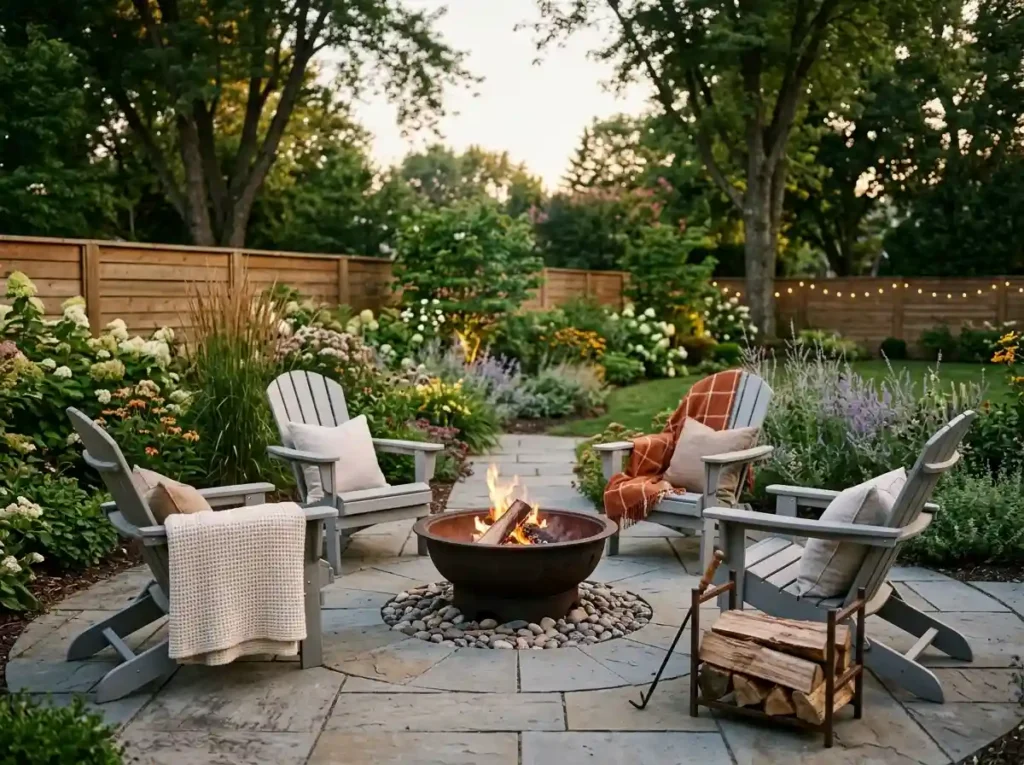
A fire pit can create a warm gathering spot, but safety must come before style.
Choose a compact fire bowl, tabletop fire feature, or small gas model. Keep enough clear space around it. The safe distance depends on the product, fuel type, nearby materials, and local rules.
Use movable chairs instead of a large fixed seating set. This lets you remove the chairs when the fire pit is not in use.
A round fire bowl with four lightweight chairs can work in a small paved area. During the day, you can move the fire pit aside and use the same space for other tasks.
Never place a fire feature under low branches, fabric covers, or unsafe roof structures. Keep it away from wooden fences unless the maker and local rules allow that setup.
Some cities and rental properties do not allow open flames. A small electric heater or warm lighting may be a safer option.
Best for: Homeowners with a safe paved area and enough clearance.
Grow a Compact Container Garden
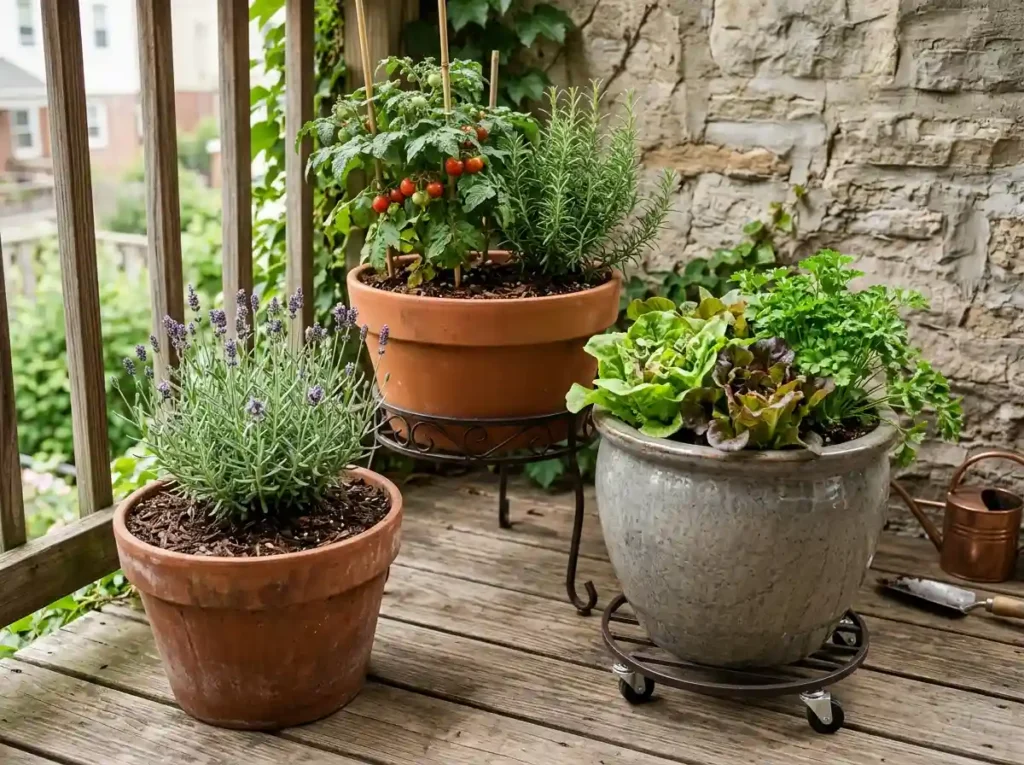
You can still grow herbs, vegetables, and flowers in a small backyard. Containers give you more control than permanent beds.
Group pots in different heights. Place taller plants at the back and smaller ones near the front. This adds depth without using too much floor space.
You may grow:
- Basil, mint, parsley, or rosemary
- Lettuce and peppers
- Dwarf tomatoes
- Lavender
- Compact flowering shrubs
Choose pots that match the plant’s mature size. Small pots dry out quickly and can limit root growth.
Self-watering containers can help during hot weather. Wheels or plant stands make heavy pots easier to move.
Do not fill every edge with containers. Leave open areas so the yard does not feel crowded. Three larger pots may look calmer than ten tiny ones.
Container gardening is also useful for renters because the plants can move with you.
Best for: Renters, beginner gardeners, and homes with poor soil.
Use Outdoor Mirrors With Care
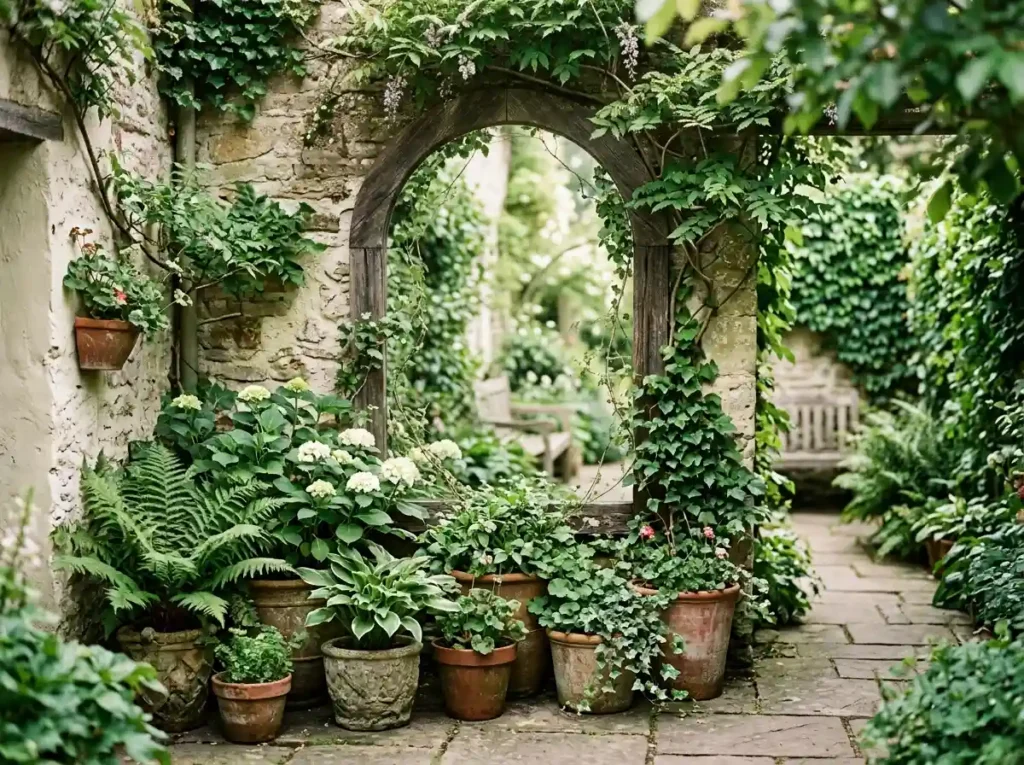
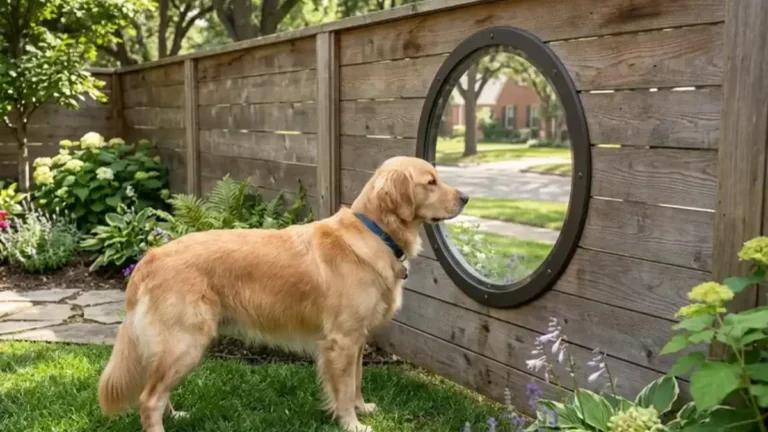
An outdoor mirror can reflect plants and light, which may make a small yard feel deeper.
Place one outdoor-safe mirror on a wall or fence. An arched mirror behind a group of planters can look like an extra opening in the garden.
Choose a frame that can handle moisture. Fix the mirror firmly so wind cannot move it.
Think about glare before installing it. A mirror that catches strong afternoon sun may become uncomfortable or unsafe.
You should also consider birds. Avoid placing the mirror where birds may mistake the reflection for a clear flight path. Plants or a visible frame can help break up the reflected view.
One mirror is usually enough. Several mirrors may create too many reflections and make the design feel busy.
This idea can work well, but it needs careful placement.
Best for: Walled courtyards and shaded garden corners.
Replace a Full Lawn With Gravel or Pavers
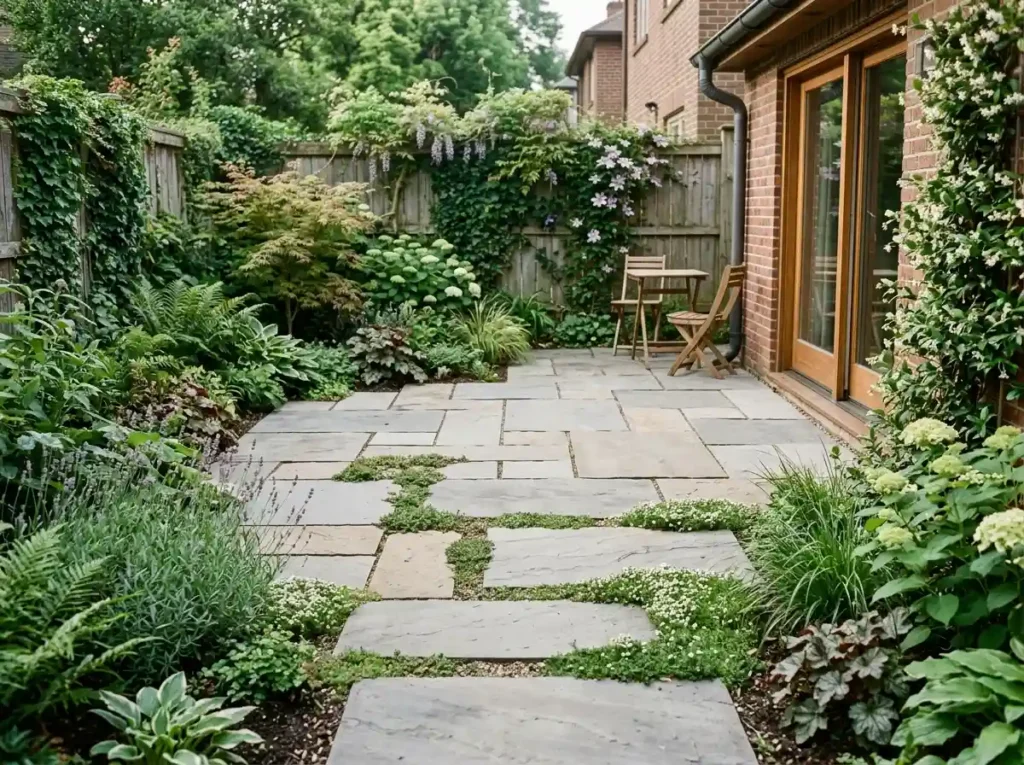
A tiny lawn can require more work than it gives back. You still need to mow, water, edge, and repair it.
Gravel or pavers may create a more useful surface. They can support furniture, reduce muddy areas, and make the yard easier to care for.
Keep some planting around the edges so the space does not feel hard or empty. You can also leave gaps between large pavers for low ground-cover plants.
Plan drainage before covering the soil. Water should not collect near the house or flow into a neighbor’s yard.
Gravel often costs less than full paving, but it can move underfoot. It may also be difficult for wheelchairs, strollers, or some pets. Firm pavers offer a smoother surface but may cost more.
The best small backyard landscaping ideas match the surface to the way the yard will be used.
Best for: Low-maintenance yards and spaces where grass grows poorly.
Build a Small Dining Area Against a Wall
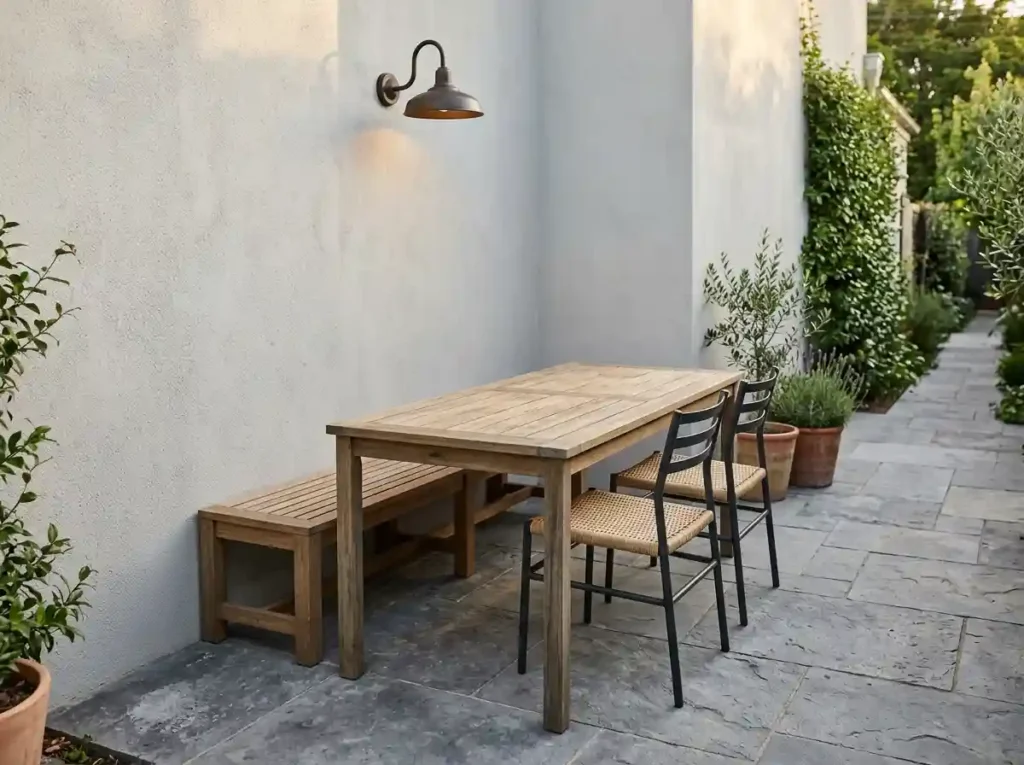
A dining table placed in the center of a small yard can block the main walkway. Moving it against a wall or fence can free more space.
Use a narrow table instead of a wide round one. Add a bench on the wall side and two movable chairs on the open side.
A folding table gives you more room when meals are over. An extendable table may help if you sometimes host guests.
Hang a light above the table if there is a safe support. You can also use wall lights or outdoor lanterns.
Keep enough room for people to pull out chairs and walk past the table. Mark the full setup on the ground before buying it.
A slim rectangular table with a bench often uses less room than four separate chairs.
Best for: Couples, small families, and narrow patios.
Use Curved Edges to Soften a Tight Space
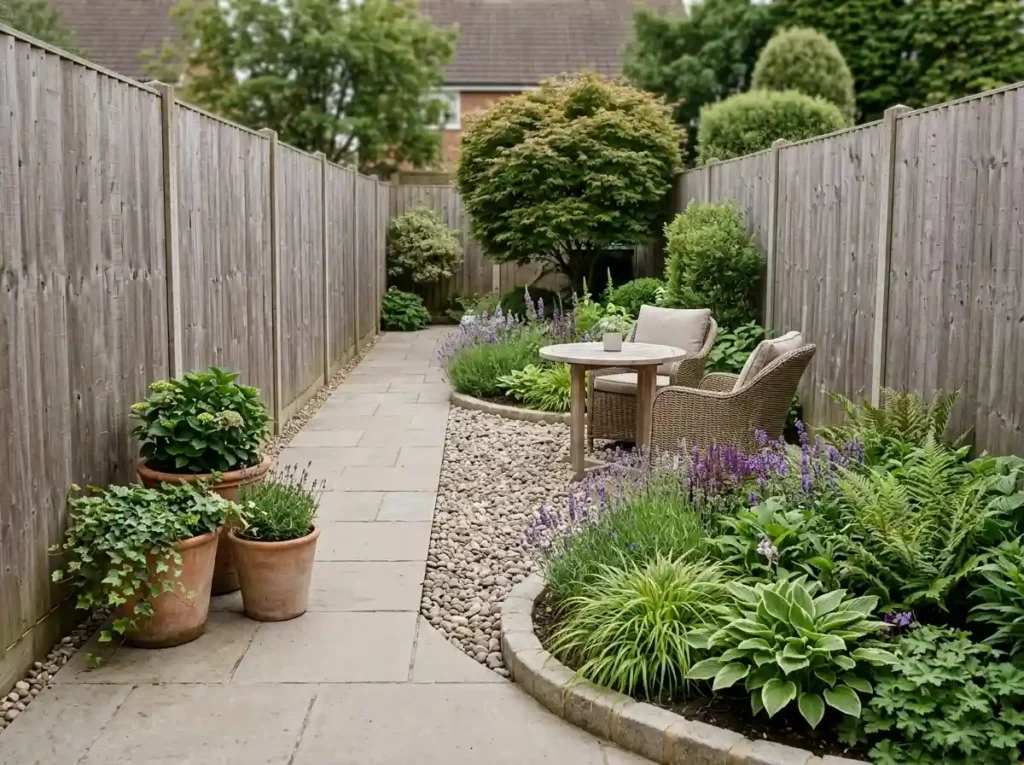
Many small yards are long rectangles with straight fences and sharp corners. Too many hard lines can make the shape feel narrow.
Curved garden borders can soften the layout. You can use a rounded gravel edge, circular rug, curved planting strip, or round pots.
Keep the curves gentle. Small, tight waves may waste space and look forced.
For example, a curved border around one side of a seating area can create movement while leaving the main path clear.
Rounded planters are also useful near corners. They can make tight spaces easier to walk through because they do not have sharp edges.
Do not add curves everywhere. A mix of straight lines and one or two soft shapes usually works better.
Best for: Long rectangular yards and spaces with many hard surfaces.
Keep the Design Simple and Easy to Maintain
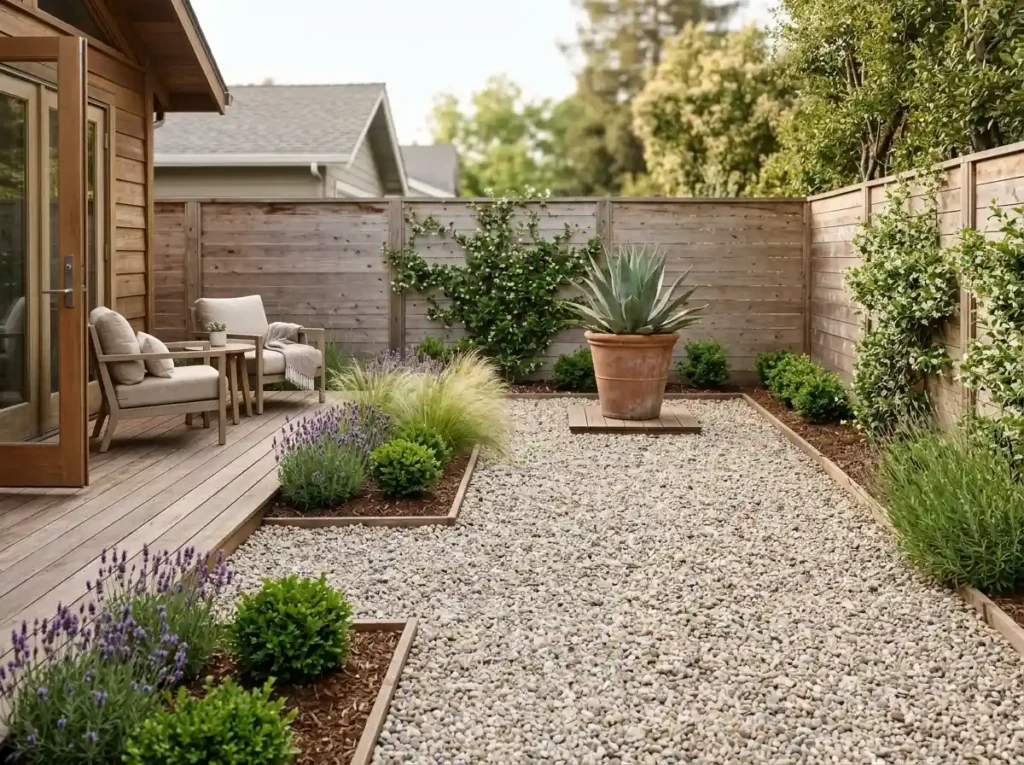
A small backyard does not need many materials, colors, or plant types. In fact, too much detail can make the space feel smaller.
Try using two main hard surfaces, such as wood and gravel. Choose three to five plant types that fit your weather and sunlight.
Create one main seating zone. Add one focal point. Leave some open space around them.
Empty space is useful. It gives people room to move and helps the main features stand out.
Think about care before buying anything. Can you clean the furniture easily? Will the plants need daily watering? Can you store cushions during bad weather?
A beautiful yard that takes too much time to manage may soon become a burden.
Simple small backyard ideas often work best because they are easier to use, clean, and update.
Best for: Busy homeowners and anyone who wants a low-maintenance backyard design.
Small Backyard Ideas on a Budget
A useful backyard does not need a large budget. Start with the changes that solve the biggest daily problem.
If the space feels dark, add string lights. If it feels empty, add two or three large pots. If seating is the main issue, repaint an old bench or buy folding chairs.
You can also work in stages.
Under $200
Use this budget for simple updates:
- Outdoor string lights
- A few medium plant pots
- New cushion covers
- A small outdoor rug
- Paint for a fence or bench
Under $500
This may cover:
- A folding table and chairs
- Several larger containers
- A privacy screen
- A storage bench
- Basic gravel for one small section
Under $1,000
You may be able to add:
- A larger seating setup
- Better lighting
- A small paved or gravel zone
- Raised planters
- A simple custom bench
Prices change by location, material, delivery cost, and yard size. Always compare the full cost, including base preparation, tools, soil, fasteners, and delivery.
Budget-friendly backyard ideas work best when you finish one useful zone before starting another.
6 Small Backyard Design Mistakes to Avoid
Adding more features does not always make a yard better. These mistakes can make a small outdoor area harder to use.
Buying Furniture Before Measuring
A sofa may look small in a store but feel huge in your yard. Measure first and mark the size on the ground.
Blocking the Main Walkway
People should not need to turn sideways or move chairs to reach the gate. Keep the main route open.
Using Too Many Small Decorations
Many tiny pots, signs, and ornaments can create visual clutter. Use fewer, larger pieces.
Choosing Plants That Grow Too Large
A young shrub may look perfect today but block the path in two years. Check its full size before planting.
Ignoring Sun, Shade, and Drainage
Furniture may become too hot in full sun. Plants may fail in deep shade. Water may collect under rugs or benches.
Trying to Add Every Feature
A fire pit, dining table, garden, play area, and lounge may not all fit. Choose the features you will use most.
Before buying something new, remove one item that no longer helps the space.
How to Choose the Best Ideas for Your Backyard
You do not need all 17 ideas. Start with the problem that affects you most.
Choose a privacy screen if nearby homes overlook the yard. Use vertical planters if you want plants but have little floor space. Pick folding furniture if the area needs to serve several purposes.
Follow this order:
- Measure the full space.
- Check drainage and ground conditions.
- Choose the yard’s main purpose.
- Draw a simple layout.
- Plan privacy and shade.
- Add furniture.
- Add plants and lighting.
- Finish with small decorations.
Also think about how often you will use each feature. A dining table may sound useful, but a comfortable bench may serve you more often.
Set a budget before shopping. Spend more on items that need to last, such as paving, benches, and outdoor storage. Save money on details that are easy to replace later.
The best small backyard design ideas are the ones that fit your daily life.
Make Your Small Backyard Work Harder
A small backyard can still feel comfortable, useful, and inviting. The key is to choose features that solve real problems without filling every inch.
Use compact furniture to keep paths open. Grow plants upward instead of across the ground. Add privacy where you need it most. Use light colors, simple zones, and soft lighting to make the area feel calmer.
You do not need to complete the whole yard at once. Measure the space, choose one main goal, and start with two or three changes.
The best small backyard ideas are not always the biggest projects. A folding table, storage bench, clear path, or few well-placed planters may be enough to make the space work better for you.