17 Landscaping With Texture Ideas That Add Depth
A yard can have healthy plants and bright flowers but still look flat. This often happens when every plant has a similar size, shape, or surface.
Landscaping with texture helps solve this problem. Texture is the way plants and materials look and feel. It can come from broad leaves, fine grasses, rough bark, smooth stones, soft seed heads, or moving water.
You do not need a large yard or a big budget to use texture. Small changes can make a clear difference. You might add one clump of grass beside a leafy shrub. You could place a rough stone near soft groundcover. Even a new layer of mulch can make a garden bed look more finished.
The best landscape texture ideas use contrast without creating clutter. They also repeat a few plants or materials so the whole yard feels connected.
Here are 17 practical ways to add depth, movement, and year-round interest to your outdoor space.
Start Landscaping With Texture by Mixing Leaf Sizes
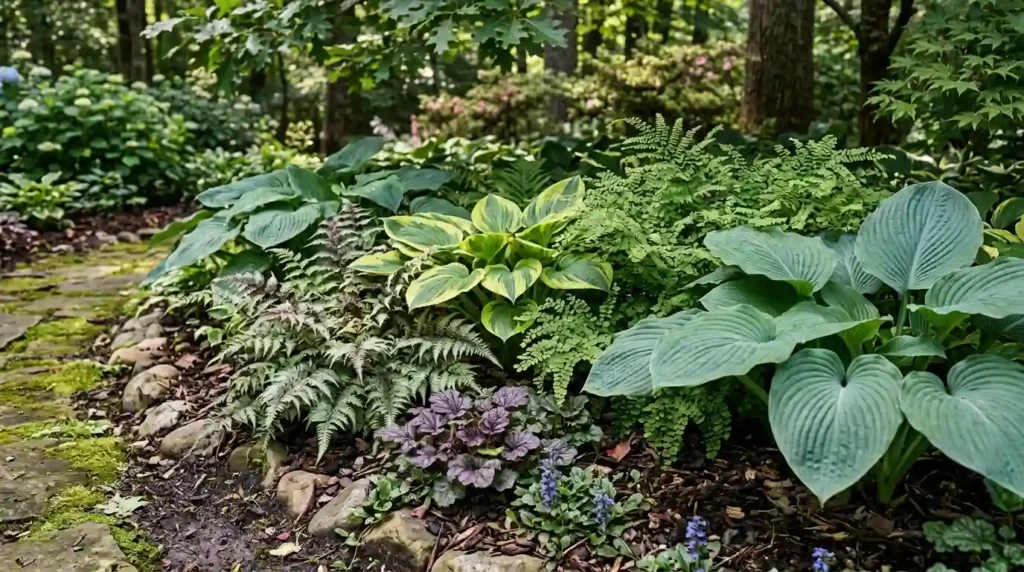
A garden bed can look like one green block when every plant has medium-sized leaves. Mixing leaf sizes helps each plant stand out.
Start with one main leaf size. Then add one or two different sizes for contrast.
Broad leaves look bold and heavy. Hostas, elephant ears, cannas, and hydrangeas are good examples. Fine leaves look lighter and softer. Ferns, sedges, grasses, and some herbs provide this effect.
You could pair broad hosta leaves with thin fern fronds in a shaded bed. In a sunny space, place canna leaves behind fine ornamental grass.
Try this simple three-part method:
- Choose one dominant leaf size.
- Add a supporting leaf size.
- Use one strong leaf texture as an accent.
Do not fill a small bed with many bold plants. One or two strong contrasts are often enough.
Mix Glossy, Matte, and Fuzzy Leaves for More Interest
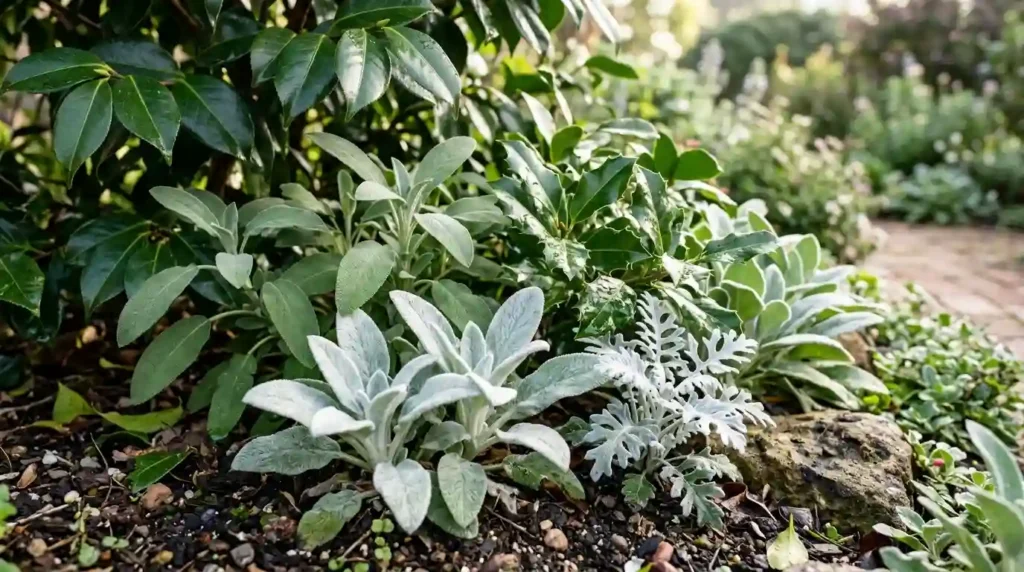
Leaf size is important, but the surface of each leaf also changes how a garden looks.
Glossy leaves reflect sunlight. They can look bright and polished. Magnolia, holly, camellia, and many evergreen shrubs have shiny leaves.
Matte leaves absorb more light. They create a calm and soft effect. Sage and many ornamental grasses have a flat finish.
Fuzzy plants add another layer. Lamb’s ear is a good example. Its pale, soft leaves stand out beside dark green plants.
Try placing silver dusty miller near deep green foliage. The plants may have similar leaf sizes, but their surfaces create clear contrast.
Check your plants in the morning and afternoon. Shiny and silver leaves can change as the light moves.
This is an easy way to use texture in landscape design without adding more flower colors.
Pair Rounded, Upright, and Spiky Plants
Step back and look at the full outline of each plant. Some plants form soft mounds. Others grow straight up. A few have sharp or spiky shapes.
Rounded plants make a garden feel calm. Boxwood, lavender, and many small shrubs form neat mounds.
Upright plants guide your eyes through the space. Tall grasses, salvias, and narrow evergreens create height.
Spiky plants add drama. Yucca, agave, and iris can act as strong focal points.
Pairing these forms helps a bed look planned. You might place rounded boxwood beside upright grass. A soft shrub can also balance the sharp leaves of a yucca.
Do not place several bold shapes together without a clear plan. Too many statement plants can make the area look like a crowded plant shop.
Choose one main form. Add a second form for contrast. Repeat both shapes elsewhere in the bed.
Add Depth by Planting in Clear Layers
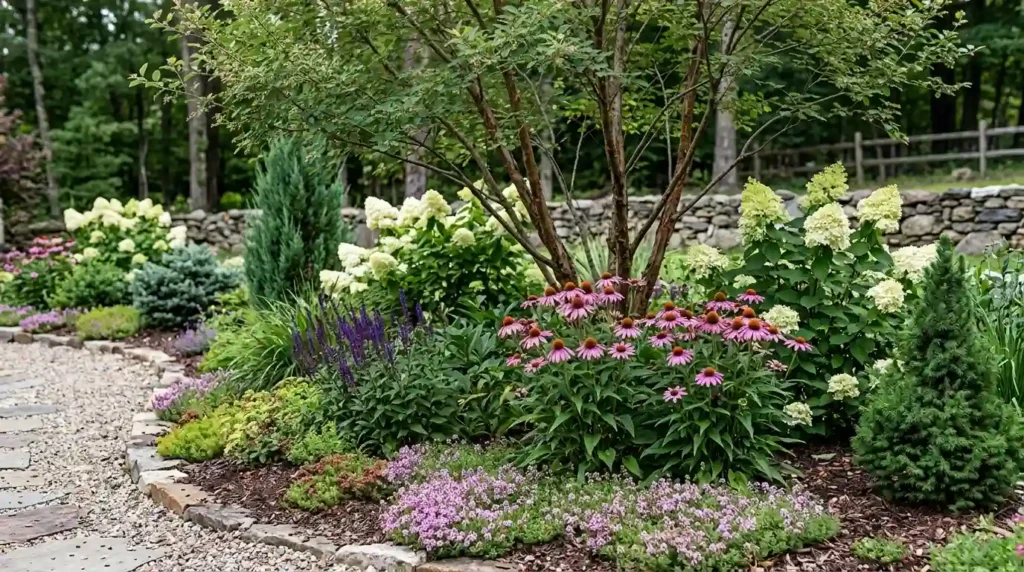
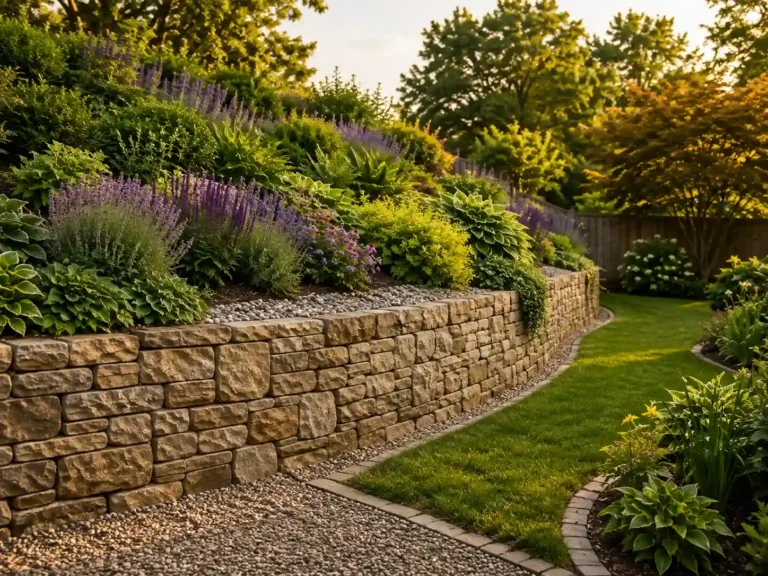
A single row of plants often looks thin and unfinished. Layering plants from low to tall creates more depth.
Begin with groundcovers near the front. Creeping thyme, sedum, moss, and low sedges can cover bare soil.
Place perennials behind them. Salvia, coneflower, heuchera, and ferns work well in the middle layer.
Use shrubs as anchors. Hydrangea, viburnum, and compact evergreens give the bed weight.
Trees or tall shrubs form the final layer. They add shade, height, and a strong background.
You can plan a border using four basic levels:
- Ground level
- Knee level
- Waist or shoulder level
- Overhead level
You do not need all four levels in every bed. Most large areas look fuller when they have at least three.
Good layering is one of the easiest ways to create texture in landscape design.
Add Ornamental Grasses for Soft Movement
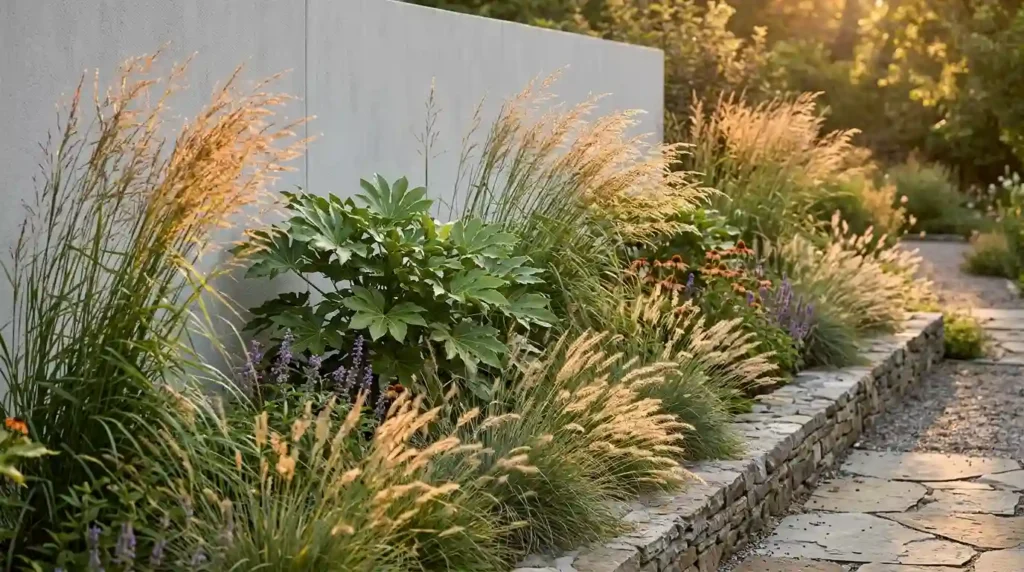
Texture does not have to stay still. Movement can make a yard feel active and natural.
Ornamental grasses bend in the wind. Their narrow leaves also soften walls, fences, and hard path edges.
Place grass beside a broad-leaved plant for a strong contrast. The large leaves will feel heavier. The grass will look light and airy.
Little bluestem, switchgrass, prairie dropseed, and feather reed grass are common choices. Sedges can work well in shady or moist areas.
Some grasses keep their seed heads through winter. This adds interest when flowers are gone.
A clipped hedge creates a formal and still effect. A group of grasses feels loose and relaxed. Neither style is wrong. Choose the one that fits your yard.
Check local advice before planting. Some grasses spread too fast in certain regions. Pick noninvasive types that suit your climate.
Use Bark and Branches for Year-Round Texture
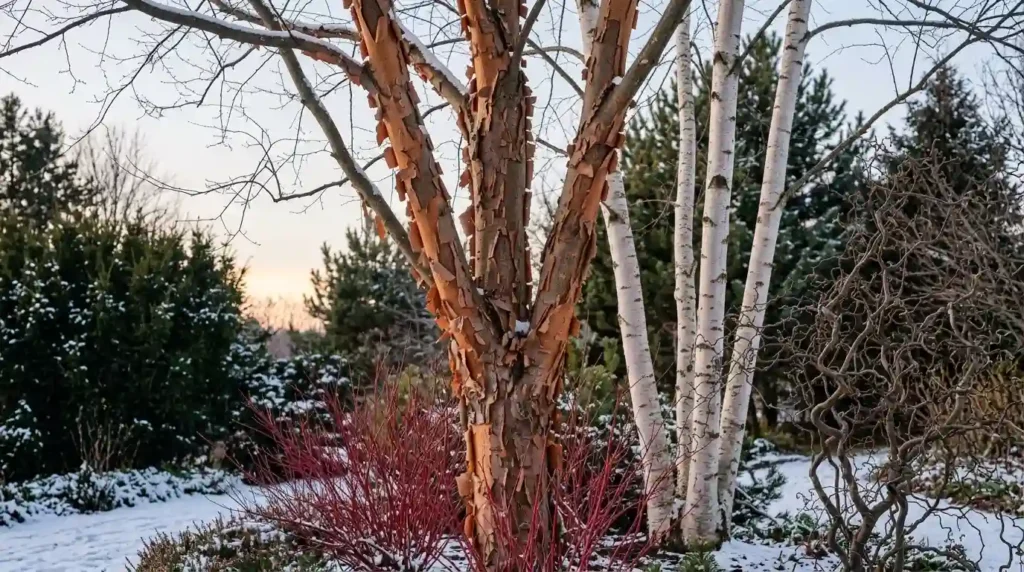
Flowers may last a few weeks. Bark and branches can add interest for the whole year.
Look for trees with peeling, grooved, mottled, or colorful bark. Paperbark maple has peeling bark. Birch has a bright and smooth surface. Crape myrtle often has patches of different colors.
Red-twig dogwood adds strong stem color during winter. Contorted hazel has twisting branches that stand out after its leaves fall.
Place these plants where you can see them from a window, path, or seating area. Their best features may appear during the colder months.
You can also use a low outdoor light to show off rough bark at night. Place the light to one side instead of pointing it straight at the trunk. This creates shadows and makes the surface easier to see.
Take a photo of your yard in winter. Empty areas may need bark, branches, or evergreen structure.
Keep Seed Heads, Berries, and Dried Flowers
Many people cut plants down as soon as their flowers fade. This can remove useful fall and winter texture.
Coneflower seed heads form dark round shapes. Allium keeps its globe-like form. Dried hydrangea blooms add soft clusters. Sedum flowers can remain upright after their color fades.
Berries add smaller points of texture and color. Winterberry, holly, and some viburnums can brighten a bare garden.
Frost and snow can make dried flowers and grasses look even better. Their shapes become clearer against a pale background.
You do not need to leave every plant standing. Keep the parts that remain strong and attractive.
Remove any material that shows signs of disease. Also cut back plants that have fallen across paths or damaged nearby growth.
These simple garden texture ideas can extend the useful life of a planting long after summer ends.
Build an Evergreen Background That Holds the Design Together
A garden can lose its shape when seasonal plants die back. Evergreens help the space keep its basic form.
Use evergreen shrubs behind flowers, grasses, and loose perennials. The solid green background will make softer plants easier to see.
Yew can form a dark backdrop. Dwarf conifers work well near stone. Holly pairs nicely with grasses and dried flowers. Juniper adds fine, needled texture.
You can also use low evergreen groundcovers beneath taller plants. This helps cover bare soil during winter.
Mix different heights, but repeat some of the same plants. Repetition keeps the area calm.
Always check the mature size before planting. A small shrub at the garden center may become wide enough to cover a window or block a path.
Give each evergreen enough room. Crowded shrubs often lose their natural shape and require more trimming.
Cover Bare Soil With Textured Groundcovers
Bare soil can make a planted area look unfinished. Groundcovers create a living base beneath taller plants.
Creeping thyme can grow between stepping stones in a sunny spot. Sedum works well in dry beds. Native sedges can cover shaded areas. Mondo grass creates a neat edge in formal gardens.
Moss may work in damp, shaded places where grass struggles.
Groundcovers can also soften hard edges. Let them spread slightly over a path or stone border. This helps the garden feel less rigid.
Choose plants based on sunlight, soil moisture, and foot traffic. A plant that works beside a path may not survive between stones that people walk on each day.
Check local invasive plant lists before you buy. Some groundcovers spread into lawns, garden beds, and natural areas.
A well-chosen groundcover should reduce bare soil without becoming a new problem.
Mix Stone Sizes Without Creating Clutter
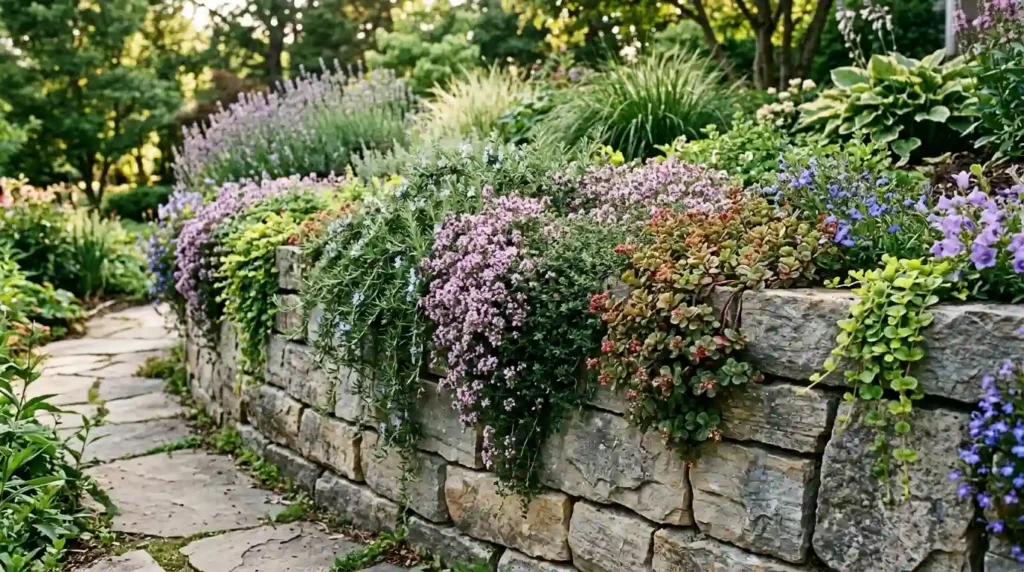
Stone adds strong texture through its size, shape, and finish. It can be rough, smooth, sharp, flat, or rounded.
When landscaping with texture, use one stone type as the main material. Then add another size or finish for contrast.
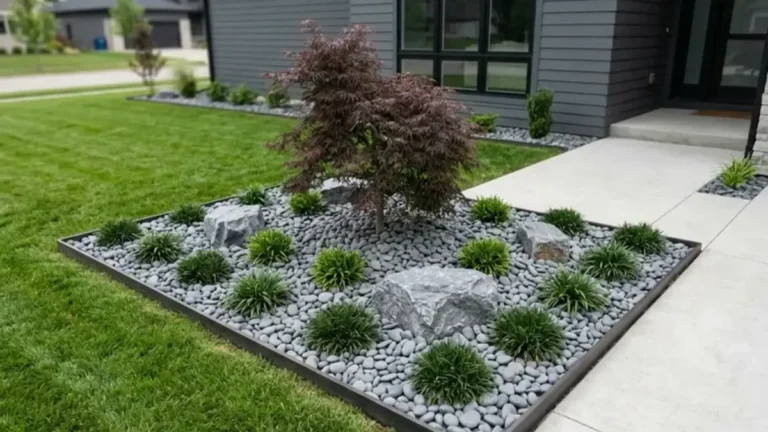
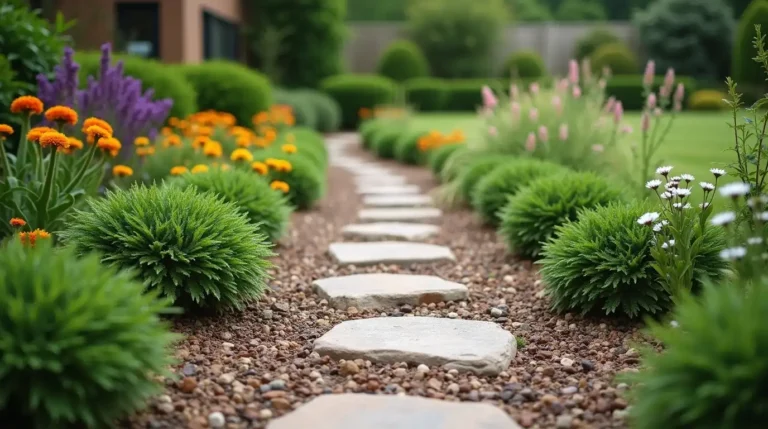
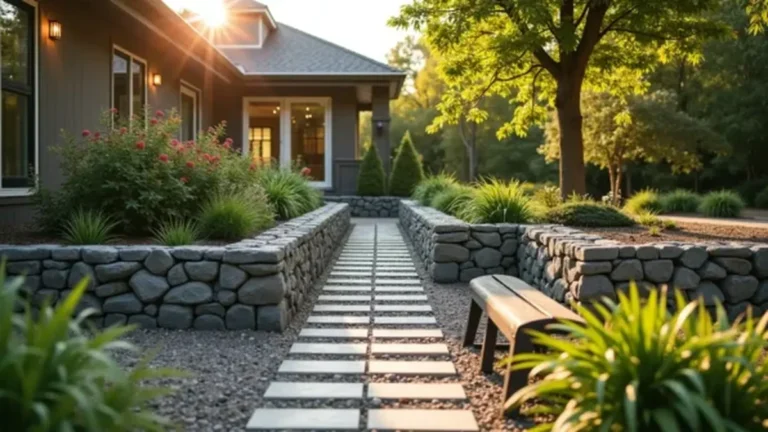
You might place large boulders in a bed of smaller gravel. Flat flagstones can look good with fine gravel between the joints. Smooth river stones fit well near water.
Avoid mixing many unrelated rocks in one small yard. Red brick, white gravel, gray slate, and tan stone may compete with each other.
Use this simple plan:
- Choose one dominant stone.
- Add one supporting stone size.
- Use one small accent material.
Try to match the stone color with your house, fence, or local soil. This helps the hardscape feel like part of the property.
Repeat the same stone in more than one area to connect the yard.
Use Paving Patterns to Change How a Path Feels
Texture can come from the layout of a material as well as its surface.
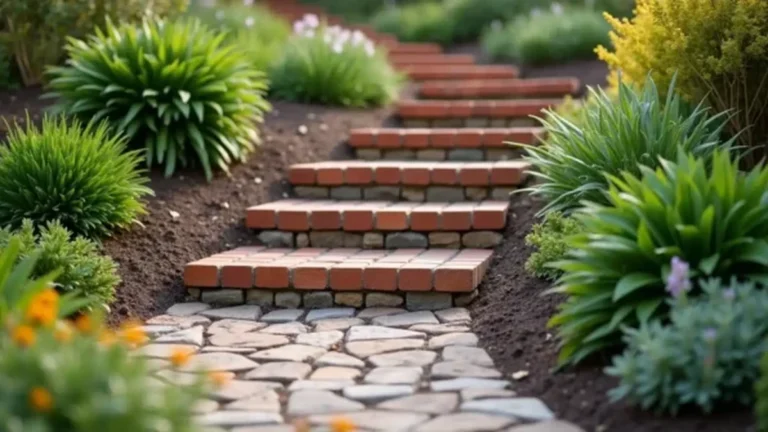
Small bricks create more lines and joints. This gives a path a detailed and traditional look. Large concrete slabs have fewer joints. They feel cleaner and more modern.
Herringbone brick adds movement. Basketweave patterns feel formal. Irregular flagstone works well in cottage and natural gardens.
The space between pavers also matters. Narrow joints create a solid surface. Wide gravel or planted joints make the path look softer.
Use straight rows when you want order. Use irregular spacing when you want a relaxed effect.
Repeat the paving material in another part of the yard. You might use the same brick for a path and a small patio edge.
This keeps the space connected, even when each area has a different purpose.
Change the Whole Bed With Mulch or Gravel
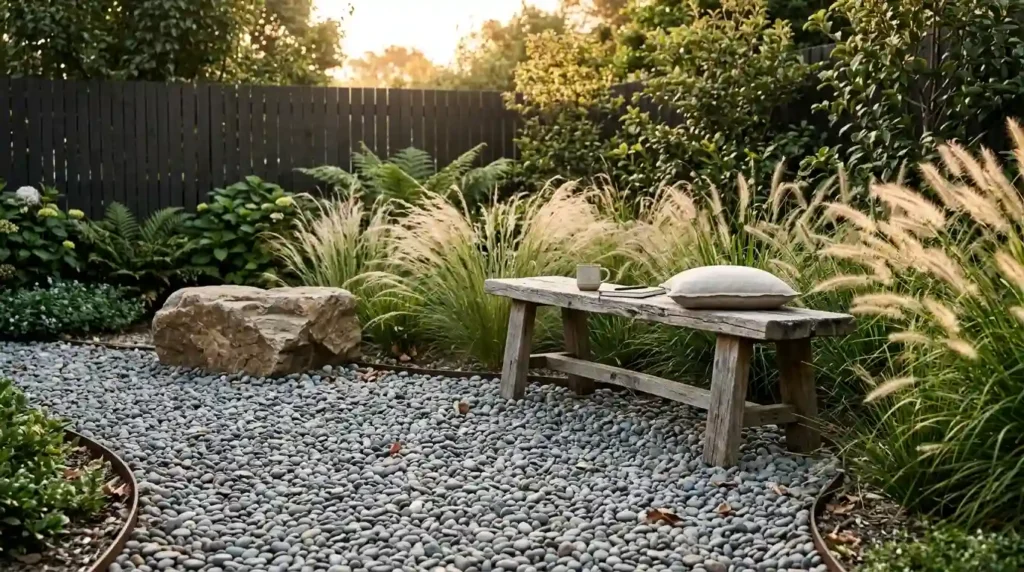
The ground is one of the largest visible surfaces in your landscape. Changing it can improve the full bed.
Fine mulch creates a soft and even background. Large bark pieces have a rougher look. They may suit a woodland-style garden.
Gravel feels cleaner and more structured. Pale gravel pairs well with lavender, herbs, grasses, and silver foliage. Dark mulch can make bright green leaves stand out.
Choose a ground material that fits the planting style. Rough bark may look out of place in a very modern courtyard. White gravel may feel too sharp in a soft woodland garden.
Keep mulch away from tree trunks and plant crowns. Piling mulch against plants can hold too much moisture.
Landscape fabric may slow weeds for a while. It is not a permanent fix. Soil can collect on top, allowing new weeds to grow.
Add Warmth With Wood, Metal, and Woven Materials
Plants are not the only source of garden texture. Screens, edging, planters, and steps can also shape the mood.
Wood creates warmth. Cedar screens and timber steps fit well with soft foliage and natural planting.
Metal creates a sharper edge. Black steel looks clean and modern. Weathered steel has a rich surface that works well beside grasses.
Woven willow panels add a handmade feel. They can hide bins, utility areas, or plain walls.
The same group of plants will look different beside each material. Timber makes the planting feel softer. Black metal makes it feel more controlled. Rough stone gives it a heavier look.
Limit the space to one or two accent materials. Too many finishes can make a small yard feel busy.
Repeat the chosen material in another feature. Match timber steps with a timber raised bed, for example.
Use Water for Reflection, Sound, and Movement
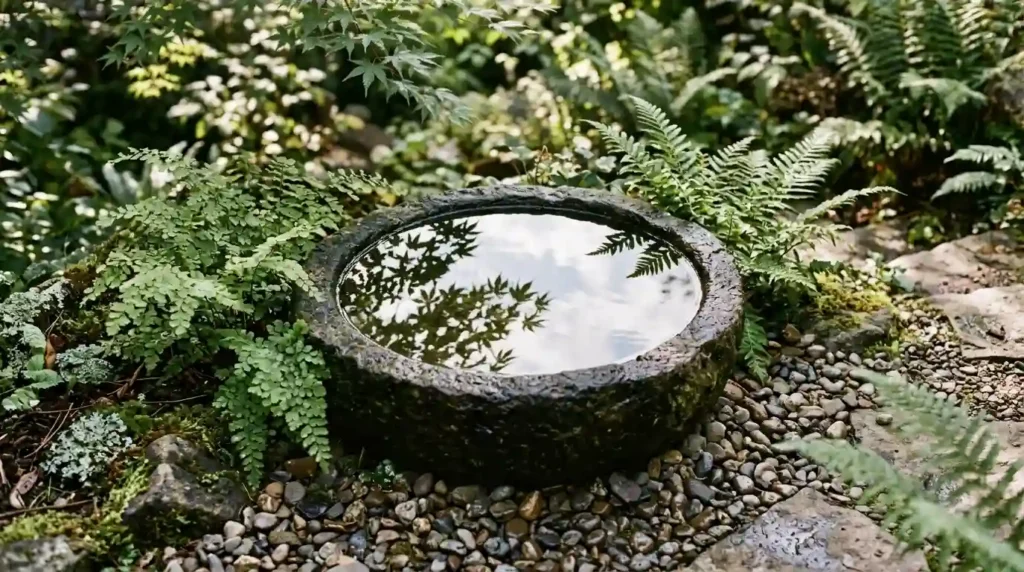
Texture can be heard as well as seen. Water adds sound, light, and movement to a garden.
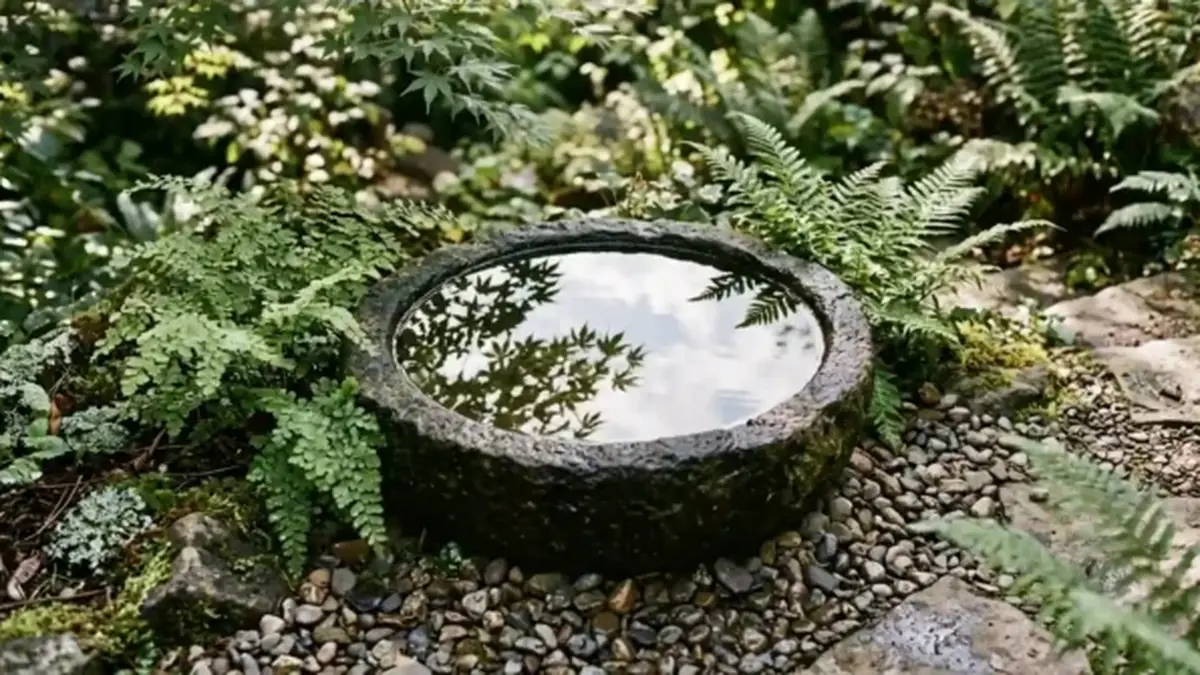
Still water reflects the sky and nearby plants. A simple water bowl or small pond can make a quiet corner feel deeper.
Moving water catches sunlight. It also creates a steady sound that may help cover traffic or nearby voices.
A birdbath is a simple choice for a small yard. A bubbling basin works near a patio. A narrow water channel can fit a modern courtyard. Larger gardens may have space for a wildlife pond.
Match the water feature to the style of the yard. A rough stone basin works in a natural garden. A smooth square pool fits a modern space.
Place the feature where you can see or hear it. Water hidden in a far corner may add little value to daily use.
Test Texture Ideas in Pots and Raised Beds
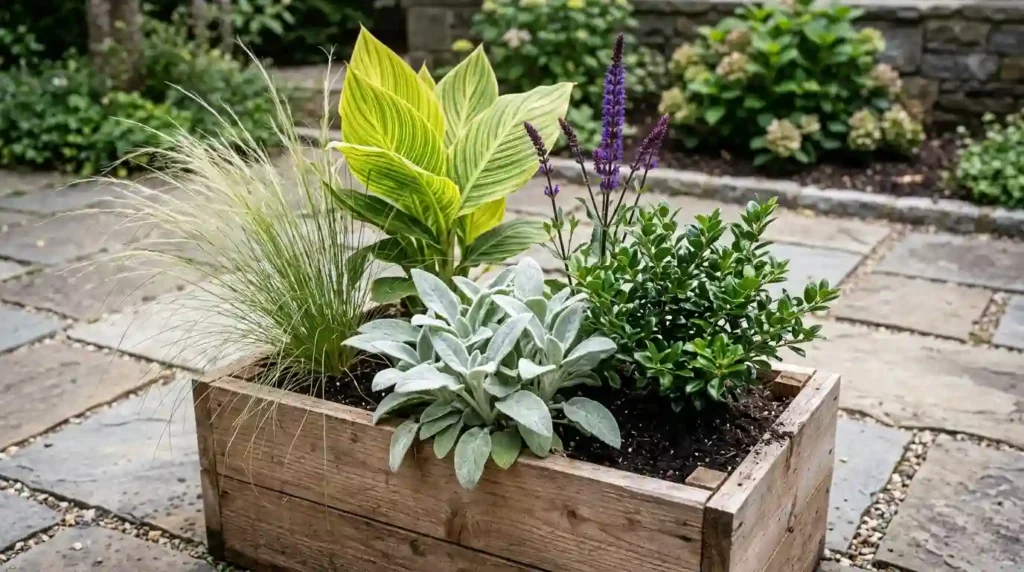
Pots are a safe place to test plant combinations before changing a full garden bed.
Choose plants with different heights and leaf shapes. A tall grass can form the top layer. Broad coleus leaves can fill the middle. Trailing dichondra can fall over the edge.
You can also contrast the plant with the pot. Ferns look soft beside a smooth glazed container. Succulents stand out in a rough stone pot. Herbs fit well in weathered terracotta.
Raised beds offer the same chance to mix materials. Timber sides, gravel paths, and leafy vegetables can create several clear textures.
Leave enough space for each plant to grow. A pot may look perfect when first planted but become crowded within weeks.
Take a black-and-white photo of your container. Strong container garden texture should remain clear even when the colors disappear.
Use Outdoor Lighting to Reveal Hidden Texture
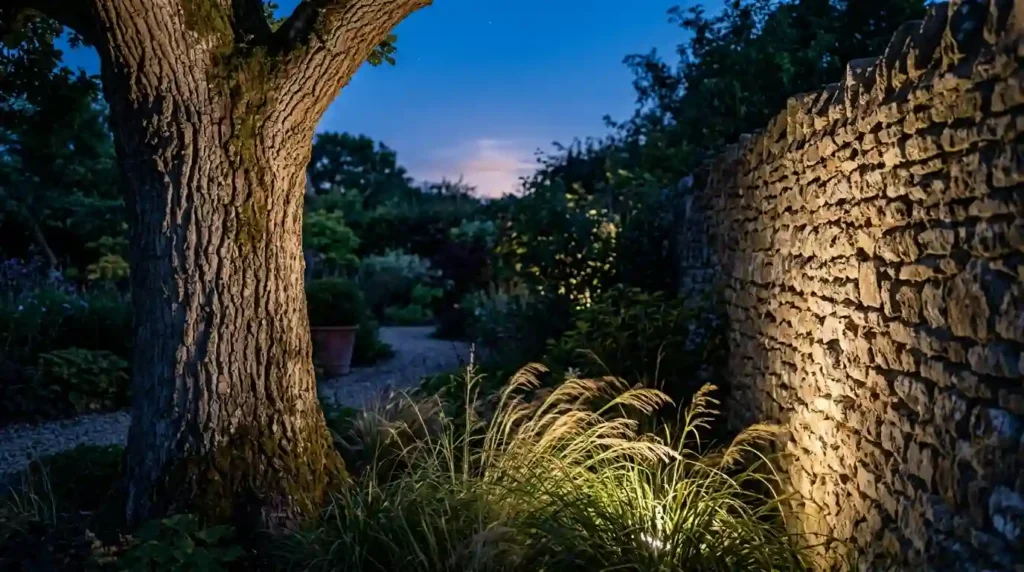
Some surfaces look flat during the day but become dramatic at night. Good lighting can reveal bark, leaves, grasses, and stone.
Place a light near the base of a tree to show its trunk and branches. Move the light slightly to one side. Side light creates shadows that show the bark.
Place a low light near a stone wall. Let the light skim across the surface. This makes every rough area easier to see.
Backlighting works well with ornamental grasses. The thin leaves and seed heads can glow around the edges.
Do not light every part of the yard at the same level. Bright, even light removes shadows. This can make textured surfaces look flat again.
Use small, focused lights where they create the most value. Leave some areas dark. The contrast will make the lit features stand out.
Repeat Key Textures to Connect the Whole Yard
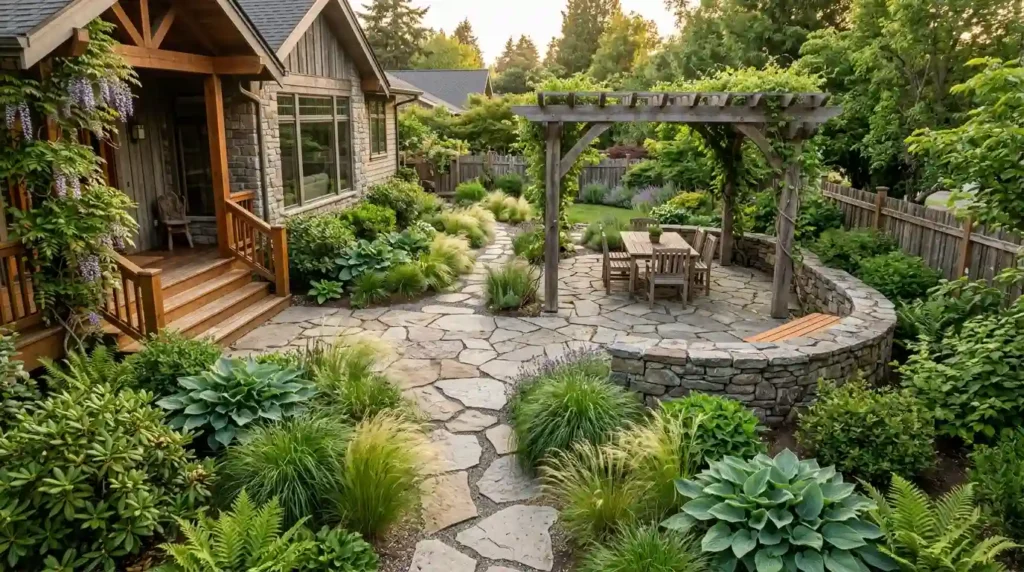
Contrast makes a plant or material stand out. Repetition makes the full design feel connected.
Choose two or three textures that you can repeat in different areas. You might place the same grass beside the path and near the patio. You could use one type of stone for both edging and stepping stones.
Rounded shrubs can appear near the front door and again beside a seating area. Silver foliage can repeat at three points in a flower border.
The amount can change. A large group of grass may fill one bed. A smaller clump can repeat the same texture near the gate.
Successful landscaping with texture needs both contrast and control. Too much contrast feels random. Too much repetition can feel dull.
Use this four-part check:
- What is the dominant texture?
- What texture supports it?
- What is the main accent?
- Which plant or material will you repeat?
A Simple Texture Formula for Any Yard
Use this quick formula when planning a bed:
Base texture + contrasting texture + accent texture + repetition = a balanced landscape
Here is one example:
- Base: Medium green shrubs
- Contrast: Fine ornamental grass
- Accent: Broad hosta leaves
- Repetition: The same grass in three areas
Start with the base. Add one clear contrast. Then use a small accent. Repeat one part of the mix so the design feels planned.
This method works in front yards, patios, raised beds, and large borders.
Final Thoughts
Successful landscaping with texture starts with contrast, but repetition keeps the design calm. Mix broad and fine leaves. Add layers. Use bark, stone, wood, water, and lighting to support the plants.
You do not need to use all 17 ideas at once. Pick one area that feels flat. Find its main texture. Then add one different plant or material.
Repeat that new texture in one or two nearby spots. Step back and check the result before adding more.
The best garden texture ideas make plants and materials easier to notice. They also help your yard look deeper, more balanced, and more interesting through every season.