18 Retaining Wall Landscaping Ideas for Any Yard
A retaining wall can do much more than hold back soil. It can shape how your entire yard looks and works. The right design can turn a steep, awkward slope into planting space, seating, steps, or a welcoming outdoor area.
Yet many retaining walls look bulky or disconnected from the rest of the yard. Poor drainage can also cause damage over time. Choosing plants presents another challenge because the soil above a wall may be hot, dry, or hard to reach.
These retaining wall landscaping ideas will help you solve those problems. You will see simple ways to soften a bare wall with plants, plus larger projects that add terraces, lighting, seating, or water. You will also learn how to match the wall with your house and garden style.
Before landscaping around retaining walls, check the condition of the structure. A tall wall or one holding a heavy slope may need help from a qualified contractor or engineer. Once the wall is safe, use these retaining wall ideas to make it a useful part of your landscape.
What Should You Check Before Landscaping a Retaining Wall?
Start with drainage. Water trapped behind a retaining wall creates pressure. Over time, that pressure may cause leaning, cracking, or loose blocks. Make sure drainage outlets remain open when you add soil, mulch, or plants.
Next, inspect the wall for damage. Look for bulges, wide cracks, sinking areas, or sections pulling apart. Decorative landscaping cannot fix a failing structure. Ask a qualified professional to inspect the wall if you notice these signs.
Pay attention to the growing conditions as well. A stone wall in full sun may create a hot and dry planting area. Drought-resistant plants may work better there than flowers that need damp soil. A shaded wall may suit ferns, ground covers, and other plants that prefer less sun.
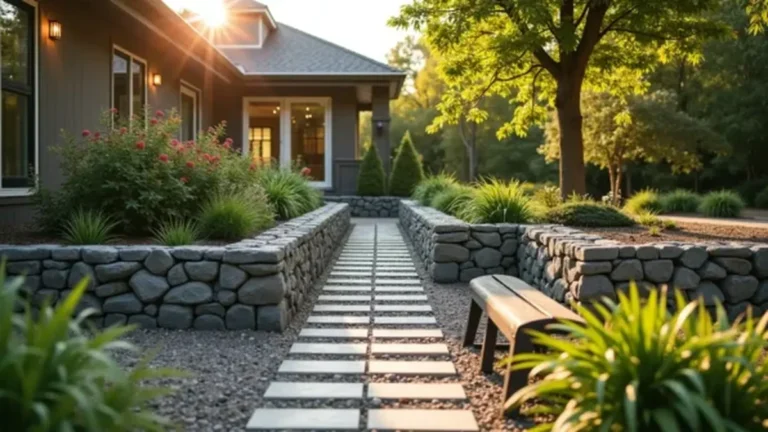
Leave enough room for future care. You may need access to drainage outlets, lighting wires, or damaged blocks. Check local building and permit rules before changing a tall wall. Rules can differ based on the wall’s height, location, and the weight it supports.
1. Soften Hard Edges With Cascading Plants
Cascading plants can make a plain wall feel like part of the garden. Plant them along the upper edge so their stems and leaves spill over the surface. This breaks up long, hard lines without hiding the entire wall.
Creeping phlox can add spring flowers in sunny areas. Sedum and creeping thyme are useful in dry spots. Trailing rosemary may suit warm climates, while sweet potato vine can provide fast seasonal growth.
Choose plants that match your local climate and the amount of sunlight the wall receives. Check their mature spread before planting. Fast-growing vines can cover drainage openings or reach paths below.
For a cleaner look, repeat one or two plants across the top instead of mixing many unrelated varieties.
Best for: Bare stone, concrete, or block walls that need color and softer edges.
2. Make a Steep Slope Useful With Tiered Beds
A tiered design divides one steep slope into several smaller garden levels. It can make the area easier to plant, water, and maintain. The separate levels also create depth, making a small yard feel more interesting.
Try a three-level layout. Place compact shrubs on the upper tier, flowering plants in the middle, and herbs near the lower path. Keep each bed wide enough for the plants and for safe garden care.
Use the same wall material on every level to connect the design. You can still vary the plants to give each tier its own purpose.
Every level needs proper drainage. Water should move safely through or around the structure without washing soil onto the tier below. For a tall or heavily loaded slope, ask a professional to design the wall system.
Best for: Steep yards that lack flat planting space.
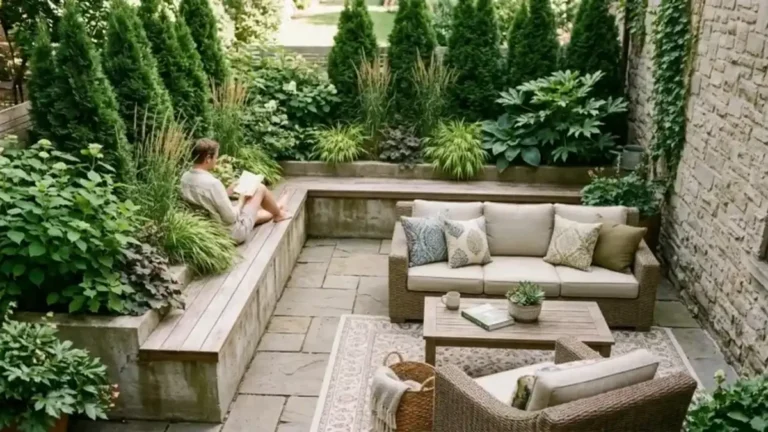
3. Gain Extra Seating With a Low Seat Wall
A low retaining wall can serve as casual seating beside a patio, garden, or fire pit. This is useful when your yard does not have room for several outdoor chairs.
Add a wide, smooth capstone to create a comfortable sitting surface. Avoid rough stones or narrow wall caps that make sitting difficult. Outdoor cushions can add comfort when you entertain guests.
A straight seat wall works well along the edge of a small patio. A curved wall can wrap around a gravel fire-pit area and make the space feel more social.
The wall must be stable and built for this added use. Do not treat a cracked, leaning, or loosely stacked wall as a bench. Ask a contractor to check it if you are unsure about its strength.
Best for: Small patios and outdoor gathering areas.
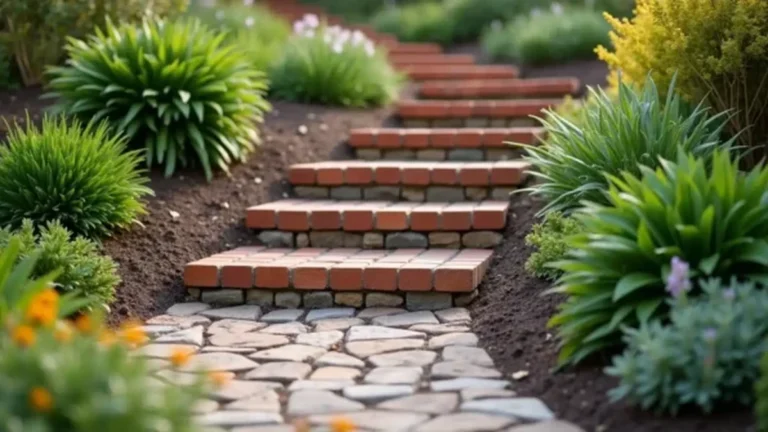
4. Connect Each Level With Wide Garden Steps
Steps make a sloped yard safer and easier to use. Instead of placing them at the far end of the wall, set them where people naturally move between the house, patio, and garden.
Wide steps often feel more inviting than a narrow staircase. If the slope is long, add a landing where people can pause or change direction. Match the stair material with the wall to keep the design connected.
Stone steps look natural between planted terraces. Timber steps can work beside a wood retaining wall. Concrete or block steps fit a more modern landscape.
Add a handrail where the height or local rules require one. Low-glare step lights can also mark each change in level after dark. Make sure water drains away from the stair surface so it does not become slippery.
Best for: Multi-level yards with frequently used upper areas.
5. Add Soft Texture With Ornamental Grasses
Ornamental grasses bring movement and light texture to a solid retaining wall. Their loose shapes create a pleasant contrast with straight blocks, heavy stone, or smooth concrete.
Choose grass varieties by mature height. Blue fescue can form a low border. Fountain grass may suit a medium-height planting bed. Switchgrass can add height where it will not block an important view.
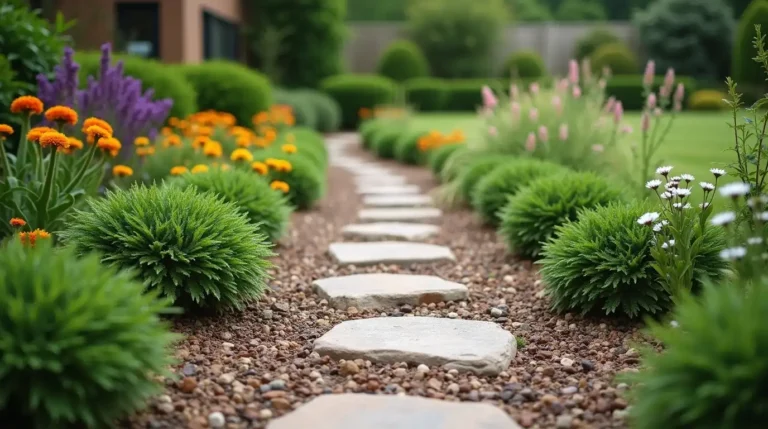
Plant grasses in repeated groups instead of forming one stiff row. Leave enough room between them for their mature width. Crowded grasses can cover paths and make the area hard to maintain.
Some varieties need cutting back once a year. Others may need dividing when the clumps grow too large. Check whether a grass is invasive in your area before adding it to the yard.
Best for: Modern, natural, and low-care landscapes.
6. Hide the Bottom Edge With a Flower Border
A flower bed at the base can hide the sharp line where a retaining wall meets the lawn. It also adds color without changing the wall itself.
Create a gently curved bed if the wall is long and straight. The curve can make the area feel less rigid. Layer the plants by height, placing low ground cover near the front and compact shrubs closer to the wall.
Choose flowers with different blooming periods. This will keep the border colorful for more than a few weeks. You can also mix flowering plants with evergreen foliage for structure during colder months.
Finish the bed with mulch, gravel, or another suitable ground cover. Keep the material away from drainage outlets. Leave a narrow gap when access to the wall may be needed for repairs.
Best for: Existing walls that need a simple, affordable update.
7. Make the Wall Safer With Subtle Lighting
Good lighting helps people see steps, paths, and sudden changes in ground level. It can also show off the texture of stone or concrete without making the yard too bright.
Install recessed lights inside the wall, small fixtures under the cap, or low lights aimed down across the surface. Warm light often feels softer in a garden than bright white light.
Focus on safety areas first. Light each stair section, landing, and narrow path. Keep fixtures low and shielded so the bulbs do not shine directly into people’s eyes.
Plan the wiring before building a new wall whenever possible. Retrofitting wires can be harder and may leave visible cables. Use outdoor-rated fixtures and connections made for wet conditions. Hire a qualified electrician when the project requires fixed electrical work.
Best for: Walls beside stairs, walkways, patios, or driveways.
8. Add Movement With a Built-In Water Feature
A fountain or waterfall can turn a large retaining wall into a focal point. Moving water also adds a calming sound that may help mask nearby traffic.
A narrow sheet of water suits a clean masonry wall. A small waterfall may look more natural with uneven stone. If changing the structure is not practical, place a recirculating basin or freestanding fountain in front of it.
Keep the water system separate from the wall’s drainage system. Plan a safe route for splashes and overflow. You will also need access to the pump, filter, and water lines for cleaning or repairs.
Choose moisture-friendly plants for the surrounding bed, but check how much sun the area receives. Keep fallen leaves away from the basin to reduce pump problems.
Best for: Courtyards, patios, and yards where the wall is a major visual feature.
9. Create a Relaxed Look With Natural Stone
Natural stone fits well in cottage gardens, woodland yards, and rustic landscapes. Its varied colors and shapes help the wall blend with the land.
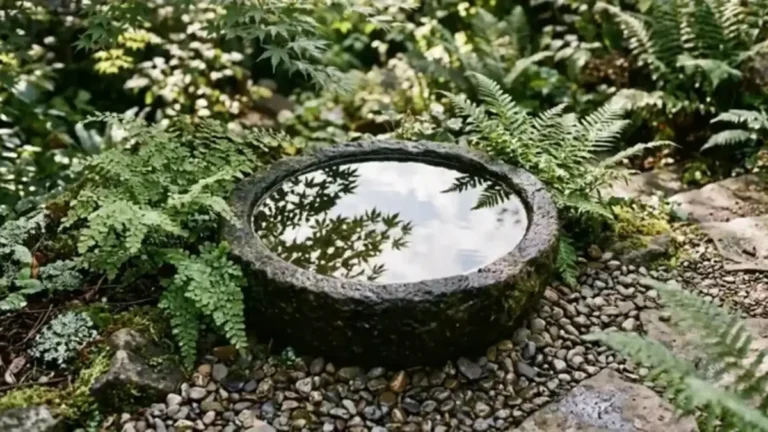
Choose stone that connects with your home or local setting. Fieldstone can look at home in a shaded garden with ferns. Warm sandstone may pair well with gravel and drought-resistant plants in a sunny yard.
Dry-stacked walls use carefully placed stones without visible mortar. They often have a loose, natural appearance. Mortared stone can offer a more formal finish, depending on how it is built.
Add informal planting around the wall’s edges to soften the transition into the garden. Avoid covering every stone. Leaving part of the surface visible lets its color and texture remain part of the design.
Best for: Rustic homes, woodland gardens, and natural slopes.
10. Give a Modern Yard Clean Concrete Lines
A smooth concrete wall can make a yard feel neat and modern. Its simple surface works best when the rest of the landscape uses clear shapes and a limited number of materials.
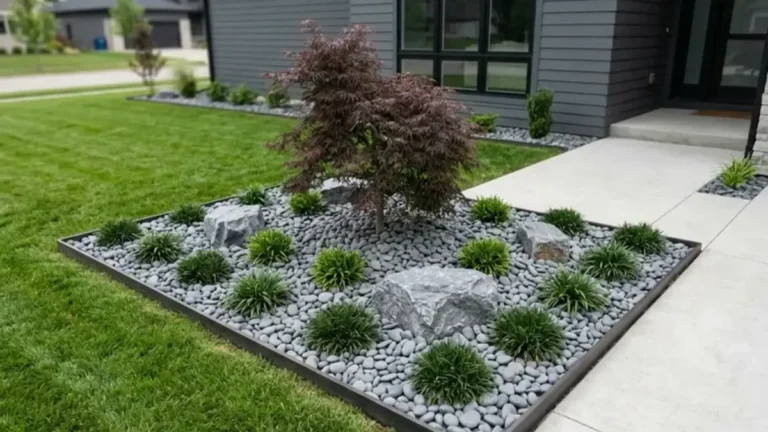
Pair pale concrete with dark gravel, rectangular pavers, and small groups of ornamental grasses. Board-formed concrete can add subtle wood-grain texture while keeping the clean style.
Repeat the wall’s shape elsewhere. For example, use long rectangular steps or square planting beds. This makes the design look planned instead of pieced together.
Concrete can feel cold when there is too much bare surface. Add green foliage, warm wood, or a few flowering plants to balance it. Keep the plant palette simple. Three repeated varieties may look stronger than ten different plants scattered across the bed.
Best for: Contemporary homes and simple, low-clutter landscapes.
11. Add Warmth With a Timber Retaining Wall
Timber gives a retaining wall a warm and casual appearance. It can connect well with a wood deck, fence, pergola, or raised garden beds.
Use wood rated for ground contact. Regular untreated boards can rot quickly when they stay close to wet soil. Proper drainage behind the wall can also reduce long-term moisture damage.
A timber wall works well on a gentle slope or in a relaxed backyard. Try staggered timber beds filled with herbs and flowers. You could also continue the same wood color from a nearby deck.
Wood normally needs more care than stone or concrete. Its useful life depends on the timber type, treatment, drainage, and climate. Check for rot, loose fasteners, and movement each year.
Best for: Informal backyards, garden beds, and homes with wood features.
12. Fit More Plants Into Built-In Wall Pockets
Planter pockets let you grow small plants within the wall rather than limiting them to the top or base. They can break up a large surface and add color at several heights.
Wide masonry pockets may hold herbs or compact flowers. Some concrete blocks can support small succulents in their open spaces. Stone walls may have planting gaps, but these must be planned without weakening the structure.
Each pocket needs enough soil, drainage, and water. Small spaces dry out faster than a full garden bed, especially in direct sun. A simple drip line may make care easier.
Choose plants with compact roots. Avoid shrubs or aggressive vines that could push against the wall as they grow. Keep the pockets within easy reach so you can trim plants and replace soil.
Best for: Small yards with limited planting space.
13. Support Bees and Butterflies With a Wall Garden
A sunny retaining wall can become a useful pollinator garden. The raised bed may offer good drainage, while the wall can create a warm spot for flowering plants.
Choose locally suitable native plants when possible. Plant several of the same variety together so bees and butterflies can find the flowers more easily. Include plants that bloom at different times to provide food across the growing season.
Salvia, coneflower, yarrow, and low-growing thyme may work in some regions. Your local climate, soil, and native plant guidance should shape the final list.
Keep taller plants away from narrow paths. You can also provide a shallow water source, but clean it often. Avoid pesticides that may harm the insects you want to attract.
Best for: Sunny walls and homeowners who want to support local wildlife.
14. Grow Fresh Herbs Along the Wall
A sunny retaining wall can provide a warm, well-drained area for an herb garden. Place it near the back door, patio, or outdoor kitchen so you can gather herbs easily.
Plant frequently used herbs within arm’s reach. Thyme can trail over the upper edge. Rosemary may add height at the back in a suitable climate. Parsley and chives can fill the front of a wider bed.
Keep mint and other fast-spreading plants in containers. Otherwise, they may take over the bed and crowd slower-growing herbs.
Check the soil often because raised areas can dry out faster. Add a drip line if hand watering becomes difficult. Leave space between plants for airflow and easy harvesting.
Best for: Sunny walls near kitchens and outdoor dining areas.
15. Guide the Eye With a Curved Wall
A curved retaining wall can guide people through the yard and soften a boxy layout. It works well around circular patios, rounded planting beds, or gently turning paths.
Use one smooth curve instead of several small bends. Uneven curves can look accidental and may make construction harder. Blocks made for curved layouts can help create a cleaner shape.
Repeat the curve in a lawn edge, path, or planting bed. These matching lines help connect the wall with the rest of the landscape.
A curved seat wall can wrap around a gathering space. An S-shaped design may divide two garden levels while creating separate planting areas. Check the layout from several viewpoints before construction, including the house, street, and main patio.
Best for: Informal gardens and yards with circular gathering areas.
16. Define a Fire-Pit Area With the Wall
A retaining wall can help define a fire-pit area on a slope. It may also provide seating when the wall is built at a safe and comfortable height.
For a casual design, create a sunken gravel area with a curved block wall. A paved patio backed by a low stone wall offers a more finished look. Make sure people have enough room to move between the fire and seating.
Use noncombustible materials close to the flames. Keep plants, wood fences, furniture, and overhead branches at safe distances. Local fire rules may control the fire pit’s location, size, fuel type, or seasonal use.
Do not place a fire feature beside a timber retaining wall without professional safety advice. Plan drainage carefully so rainwater does not collect in a sunken area.
Best for: Sloped backyards designed for outdoor gatherings.
17. Cover a Plain Wall With Layered Greenery
If a wall looks too tall or bare, use plants at several levels to reduce its visual weight. The goal is to soften the wall without hiding drainage points or blocking repair access.
Start with trailing plants along the upper edge. Place compact shrubs or upright perennials at the base. One small ornamental tree near the end can frame the space without covering the whole structure.
Combine evergreen plants with seasonal flowers. The evergreen layer provides shape throughout the year, while flowering plants add changing color.
Check every plant’s mature height and width. Small nursery plants can become much larger than expected. Repeat a few varieties across the bed so the final result feels calm instead of crowded.
Best for: Tall, plain walls that dominate the view.
18. Connect the Wall to Your Home’s Style
Your retaining wall should feel related to the house and nearby outdoor features. You do not need an exact material match. Repeating one color, texture, or shape may be enough.
Brick accents can connect a wall with a brick home. Cool gray stone may suit a house with blue or gray siding. Timber details can link the wall with an existing deck or fence.
Look beyond the house itself. The wall should also work with the patio, paths, driveway, and garden edging. Too many unrelated materials can make a small yard feel busy.
Take material samples outside before making a final choice. Colors can look different in sunlight and shade. View them from the street and from inside the house, since you may see the wall from both places every day.
Best for: Front yards and landscapes with several built features.
How Do You Choose the Right Retaining Wall Idea?
Begin with the main problem you need to solve. If the wall feels bare, cascading plants or layered greenery may be enough. If the slope is hard to use, terraces and steps can provide a larger improvement.
Next, study the available space. Built-in seating is useful around a small patio. A water feature needs room for a basin and maintenance access. Curved walls require enough space for the shape to look natural.
Set a budget that covers the full project. Include wall materials, drainage, soil, plants, lighting, labor, and future care. A low starting price does not always mean a lower long-term cost. Timber, for example, may need repair or replacement sooner than stone or concrete.
Think about how much care you can provide. Large flower borders need more work than repeated grasses or drought-resistant ground covers.
You can often handle simple planting and surface updates yourself. Structural changes are different. Contact a qualified contractor or engineer when the wall holds a major slope, supports nearby structures, shows damage, or requires permit approval.
Turn Your Retaining Wall Into a Useful Yard Feature
A good retaining wall should manage the slope and improve how you use the yard. Plants can soften hard surfaces, while tiers can create useful garden beds. Steps provide safer access. Seating, lighting, and fire-pit areas can make the space more welcoming.
Choose two or three ideas that solve your biggest yard problems. Then sketch the wall, nearby paths, planting areas, and drainage points before buying anything. This simple step can reveal spacing or access problems early.
Ask a qualified professional for help if the wall is tall, damaged, or supporting a heavy slope. Use these retaining wall landscaping ideas to create an outdoor space that feels safe, useful, and connected to your home.