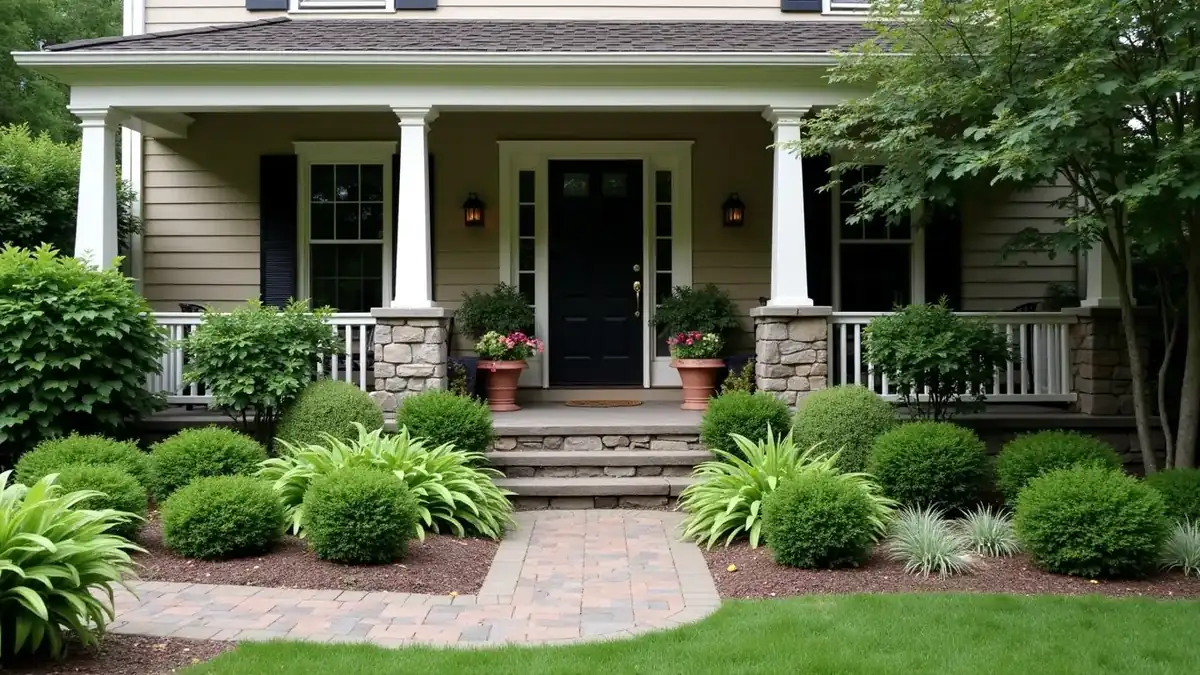
19 Rock Landscaping Ideas for Front of House on a Budget
A tired front yard can make your whole home look unfinished. Yet new plants, lawn repairs, and professional landscaping can cost more than you planned.
These rock landscaping ideas for front of house on a budget can help you fix bare, muddy, or hard-to-maintain spaces without rebuilding the whole yard. Rocks add clean lines, texture, and contrast. They also need less care than grass or flower beds.
You do not need rare stones or costly garden features. Basic gravel, reused bricks, simple edging, and a few plants can make a big change.
This guide covers 19 affordable ideas for paths, porches, slopes, driveways, and small yards. You will also learn how to measure your space, cut material costs, and avoid drainage mistakes.
Start with one visible area. A small weekend project can often improve your curb appeal more than several unfinished projects.
Which Rock Landscaping Idea Fits Your Yard?
Use this quick guide to find an idea that fits your space and skill level.
| Idea | Best For | Budget | Difficulty | Care Level |
| Gravel walkway border | Plain paths | Low | Easy | Low |
| Stepping-stone path | Yard access | Low | Easy | Low |
| Curved gravel walkway | Small front yards | Medium | Medium | Low |
| Driveway rock strip | Messy lawn edges | Low | Easy | Low |
| Foundation river rocks | Bare house edges | Medium | Medium | Low |
| Gravel under planters | Front porches | Low | Easy | Low |
| Small dry creek bed | Wet downspout areas | Medium | Medium | Seasonal |
| House number rock bed | Front entrances | Low | Easy | Low |
| Drought-friendly bed | Sunny yards | Medium | Medium | Low |
| Grasses with gravel | Modern homes | Medium | Easy | Seasonal |
| Succulent pocket garden | Hot, dry corners | Low | Easy | Low |
| Shaded rock bed | Covered porches | Medium | Medium | Medium |
| Painted address stone | Small entrances | Low | Easy | Low |
| Low stone stack | Empty garden beds | Low | Easy | Low |
| Reclaimed paver circle | Bare corners | Low | Medium | Low |
| Boulder focal point | Larger front yards | Medium | Medium | Low |
| Mini corner garden | Small yards | Low | Easy | Low |
| Rock-covered slope | Mild slopes | Medium | Medium | Seasonal |
| Driveway gravel ribbon | Narrow side strips | Low | Easy | Low |
How to Plan Rock Landscaping Without Wasting Money
The cheapest rock is not always the cheapest choice for your project. Small stones may wash away. Heavy stones may cost more to deliver than the material itself.
Start by deciding what the area needs to do. A path needs a firm base. A drainage area needs space for water to flow. A decorative bed needs edging and weed control.
Measure the length and width of the area. Multiply those numbers to find the square footage. You can then use an online gravel calculator to estimate how much material you need.
Check the depth recommended for your chosen rock. Thin layers may leave bare spots after a few months. Very deep layers cost more and can make future changes harder.
Compare bagged rocks with bulk delivery. Bags work well for small borders and quick repairs. Bulk material often costs less for larger areas, but delivery fees can change the final price.
Choose one main stone color. Add a second rock only when you need contrast. Too many colors can make a small front yard look busy.
You can also divide the work into three budget levels:
- Small refresh: Gravel border, reused edging, and existing plants
- Medium update: Gravel, new edging, stepping stones, and three plants
- Larger DIY project: A path, foundation bed, drainage feature, and plant groups
Plan the whole yard first. Then build one part at a time.
4 Cheap Rock Borders and Paths That Add Fast Curb Appeal
Paths and borders can make a yard look planned within one weekend. They create clean lines and stop grass or soil from spilling onto concrete.
Add a Narrow Gravel Border Along the Walkway
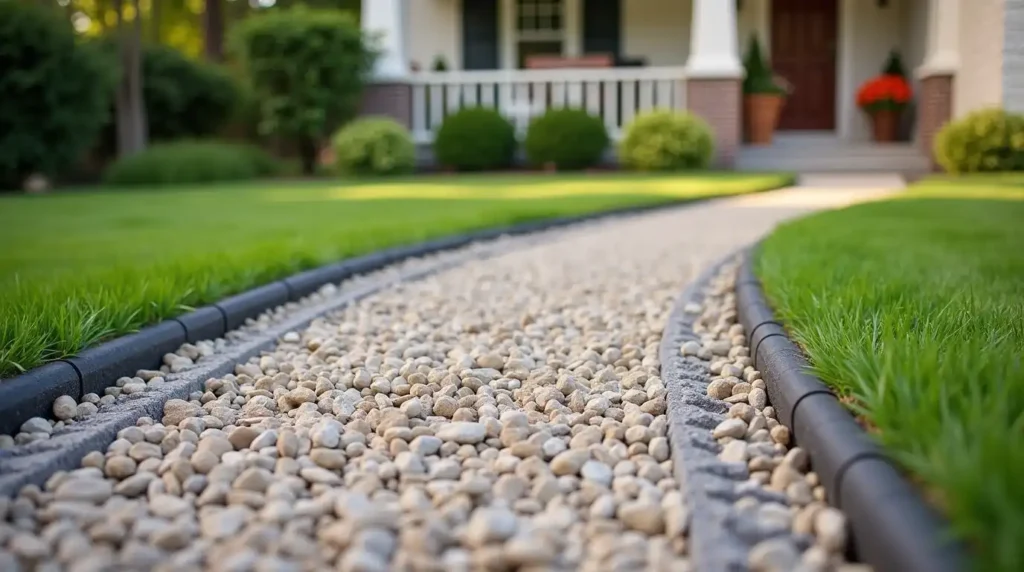
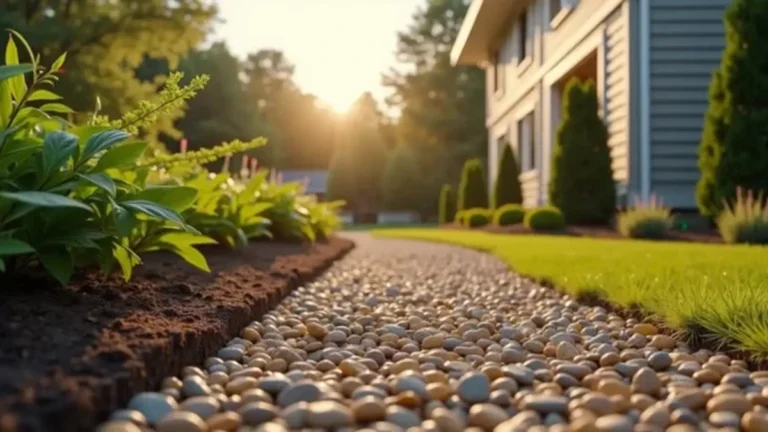
A gravel border can make an old walkway look cleaner without replacing the concrete. Make the strip about 6 to 12 inches wide.
Remove the grass and level the soil. Add plastic, metal, brick, or stone edging to keep the gravel in place.
Choose a color that stands out against the path. Light gravel looks clean beside dark concrete. Charcoal stone can create strong contrast beside pale concrete.
Use this idea on the part of the path that people see from the street. You do not have to cover both sides or the full length.
Budget tip: Use basic crushed stone for most of the border. Add decorative river rocks near the porch.
Build a Simple Stepping-Stone Path
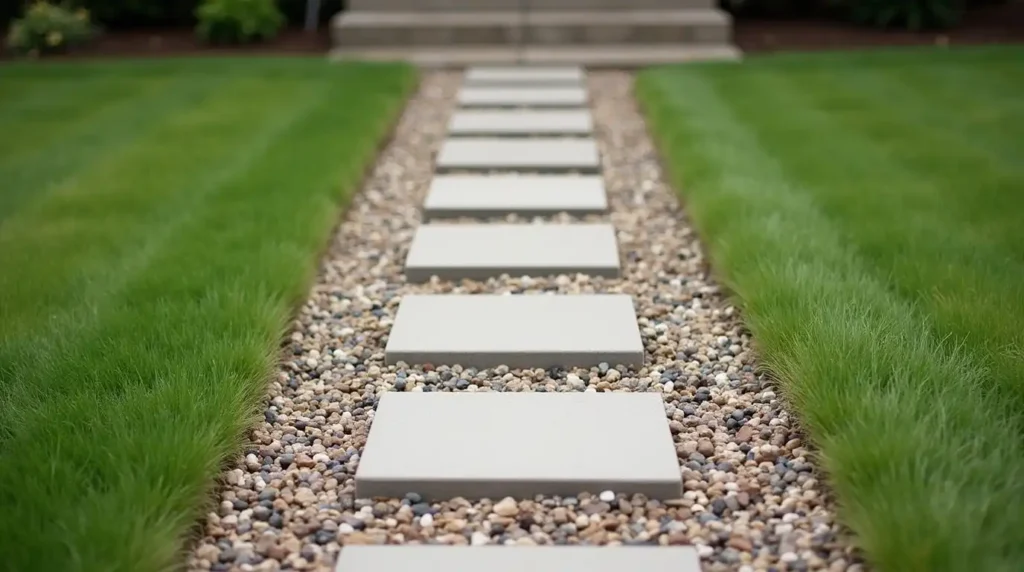
A stepping-stone path gives people a clear route from the driveway to the porch. It can also protect grass from foot traffic.
Place each stone where your foot lands during a normal step. Test the spacing before you dig.
Set each stone into the soil so the top stays level. Uneven stones can become a tripping risk.
Fill the gaps with pea gravel or small crushed stone. Edging will help stop loose material from spreading into the lawn.
Concrete stepping stones usually cost less than large pieces of natural flagstone. You can also check local resale groups for leftover pavers.
Budget tip: Buy plain concrete stones and stain them later if you want a custom look.
Frame the Driveway With a Rock Strip
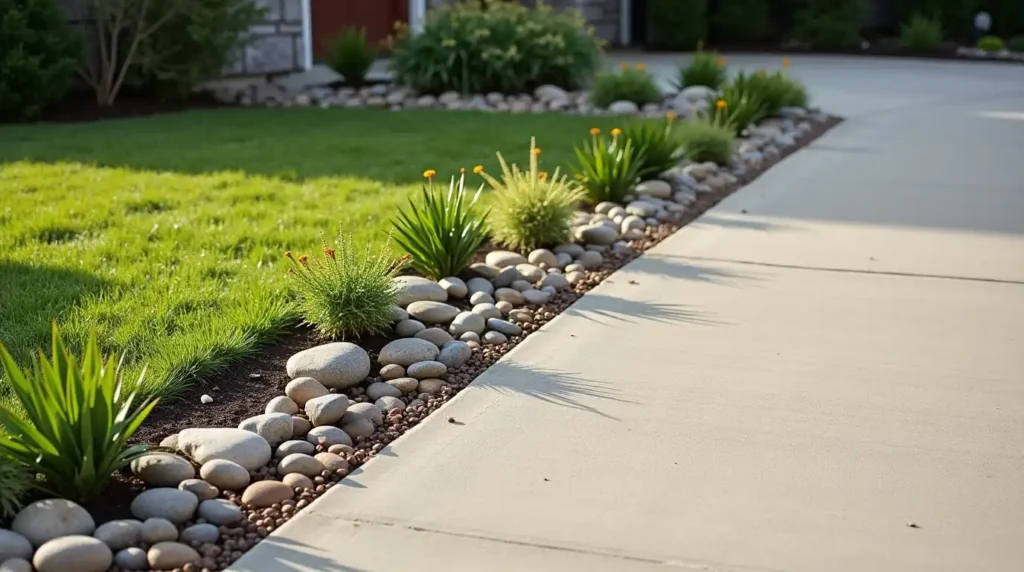
Grass beside a driveway often turns brown or becomes hard to trim. A narrow rock strip can solve both problems.
Remove the weak grass along the concrete. Add edging between the rock and the lawn.
Use medium stones near the driveway. Tiny gravel may stick to tires or spread across the concrete.
Add a small plant every few feet if the strip is wide enough. Keep plants low so they do not block drivers.
Make sure the rock bed does not stop water from leaving the driveway. The surface should not send water back toward the house.
Budget tip: Start with the side of the driveway that is most visible from the street.
4 Affordable Ways to Improve Your Porch and Foundation
The front wall and porch frame your home. Small changes in these areas can make the entrance look cleaner and more finished.
Install a River Rock Strip Along the Foundation
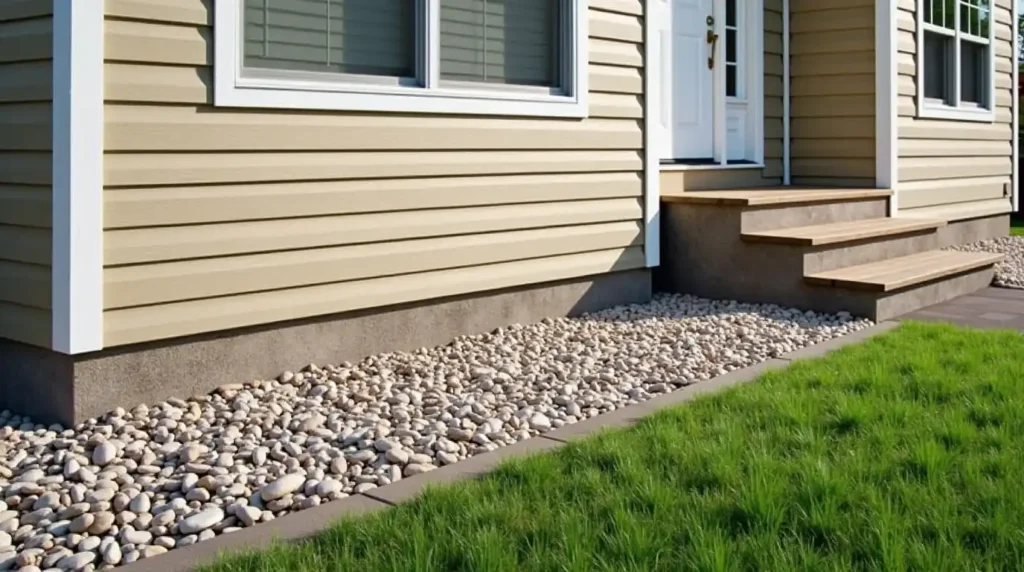
A river rock strip can replace patchy grass or old mulch beside the house. It also helps reduce mud splashes on walls.
Mark a smooth line along the foundation. Remove weeds and create a level bed.
Add edging on the yard side. Then spread medium river rocks in an even layer.
Do not pile rocks against siding, wooden trim, door frames, or vents. Leave these areas clear so air can move and problems remain easy to spot.
Check how water moves during rain. Rocks should not create a low spot beside the wall.
Budget tip: Use river rock only in the visible top layer. Place cheaper base material below when it is suitable for the site.
Fill the Space Under Porch Planters With Gravel
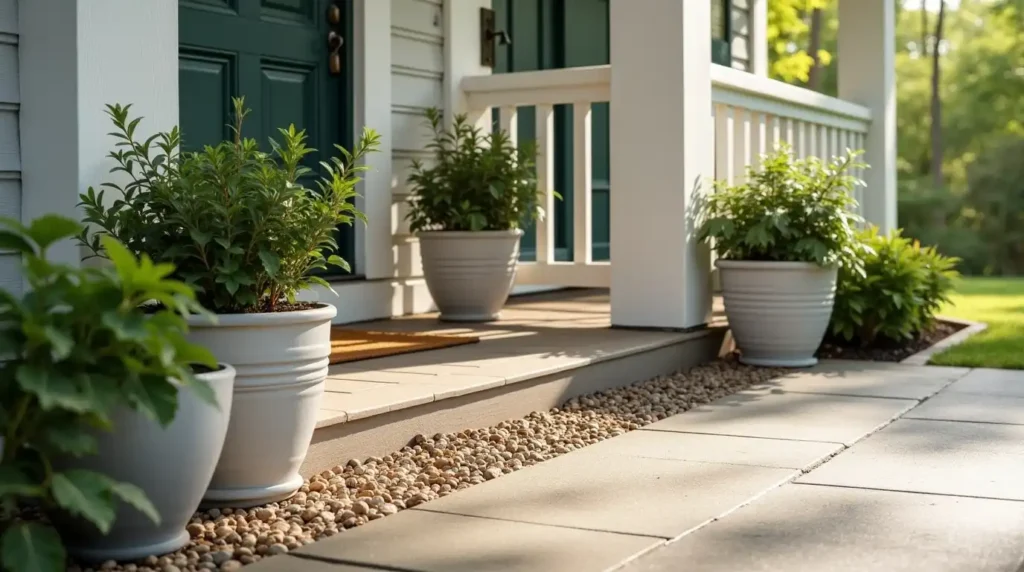
Large pots can leave water stains and muddy rings on a porch or soil bed. A gravel base creates a cleaner spot for them.
Mark a small square, circle, or curved bed. Add edging if the gravel sits beside grass.
Group planters in sets of three. Use different heights, but repeat one pot color to keep the display calm.
Choose gravel that matches the porch steps, railing, or house trim. This small detail helps the space feel connected.
You can place simple nursery pots inside larger covers. This gives you the look of costly planters without buying several heavy containers.
Budget tip: Use pots you already own and paint them with outdoor paint.
Build a Small Dry Creek Bed Near a Downspout
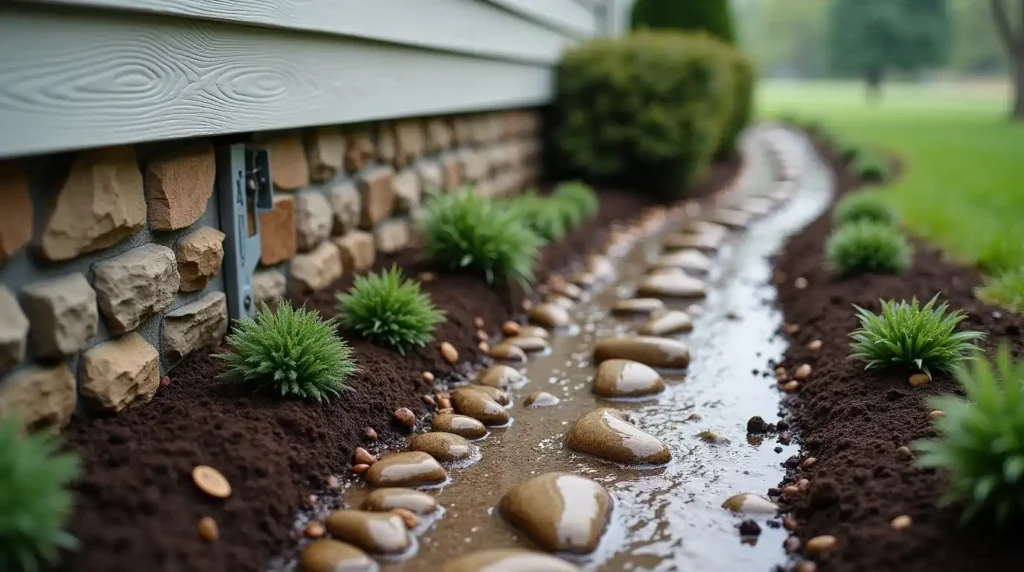
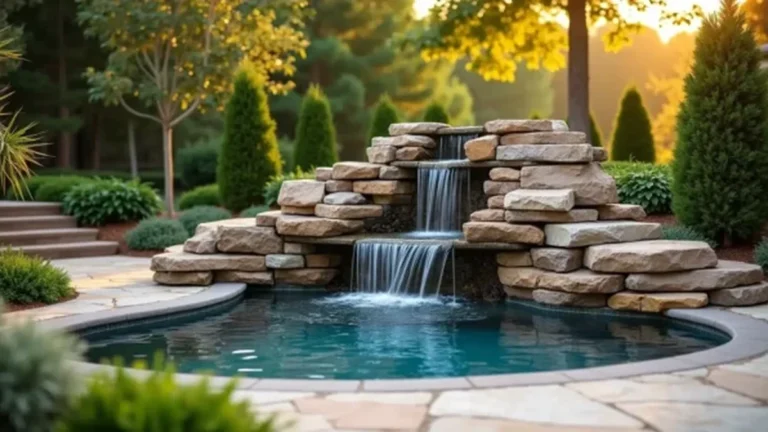
A dry creek bed can turn a muddy downspout area into a useful landscape feature. It should guide water away from the foundation.
Mark a shallow curved channel. Place larger stones along the sides and smaller gravel through the center.
The creek should follow the natural direction of water. Do not create a deep trench unless you have checked for buried lines.
Watch the area during a heavy rain. Make sure water does not flow toward a neighbor, public path, or another part of your house.
A dry creek bed will not fix every drainage problem. Call a drainage expert when water enters the home or remains beside the foundation.
Budget tip: Use larger stones only at bends and key points. Fill the rest with basic drainage gravel.
Make a Rock Bed Around the House Number
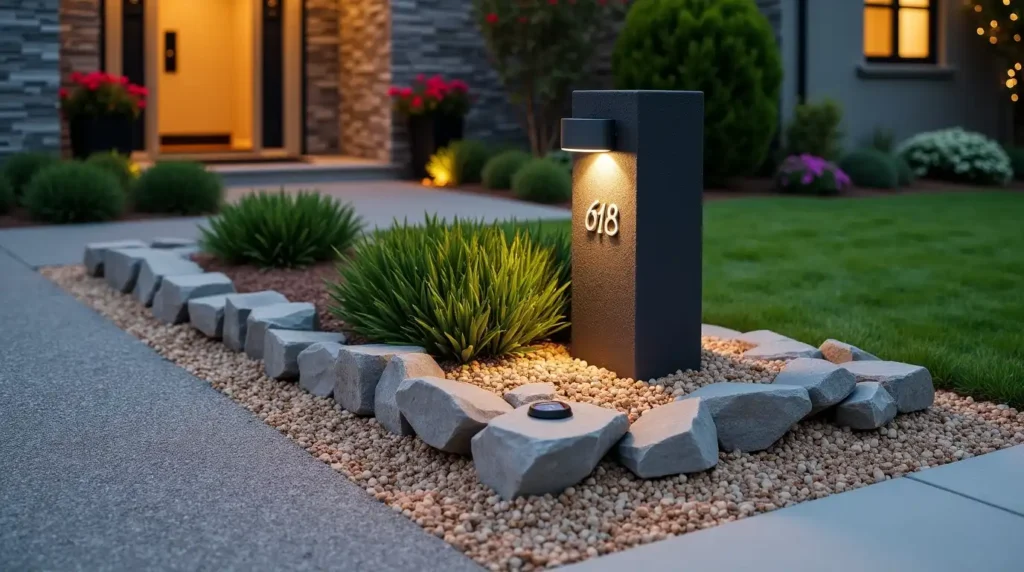
Your address should be easy for guests and delivery drivers to see. A small rock bed can make it stand out.
Create a circle or rectangle around the number post. Use gravel that contrasts with the post color.
Add one low plant or a small solar light. Keep the design simple so the number remains the main feature.
Do not place tall grass or flowers in front of the sign. They may block the number as they grow.
This is one of the easiest front yard rock landscaping ideas for a small entrance. It also works well for rental homes because the bed can stay compact.
Budget tip: Reuse leftover gravel from another yard project.
4 Low-Maintenance Rock and Plant Ideas
A yard filled with stone can sometimes look hard or empty. A few plants add softness, shade, and color without creating too much work.
Create a Drought-Friendly Rock Bed
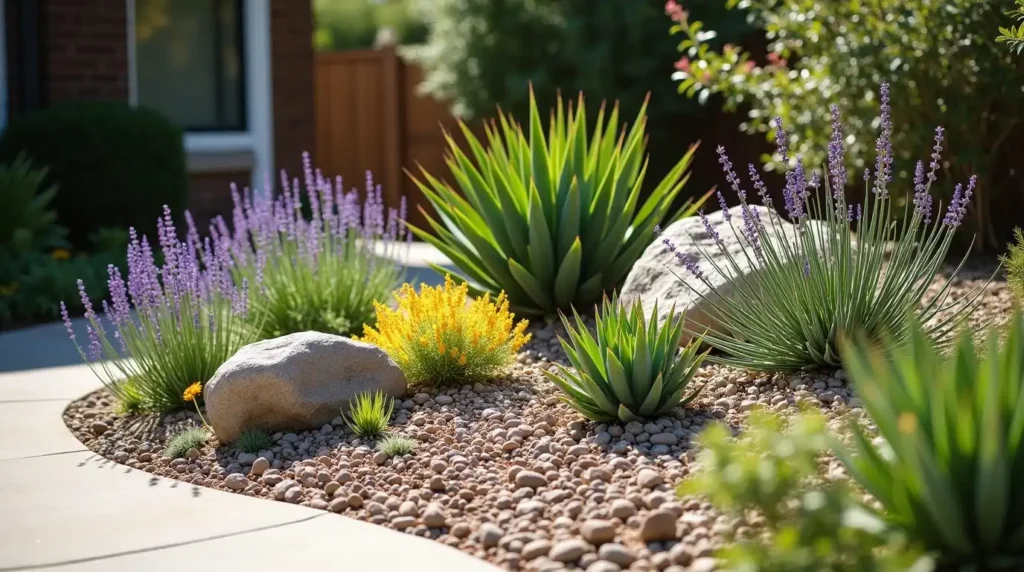
A drought-friendly bed can reduce watering and fill a hot, sunny part of the yard. Choose plants that suit your local climate.
Possible choices include sedum, lavender, salvia, yucca, agave, and native flowers. Check the plant label before buying.
Group plants with similar water needs. Leave enough room for each plant to reach its full size.
Place one larger plant near the back. Add smaller plants near the front and sides.
A drip line can send water to the roots without soaking the full rock bed. This keeps care simple and reduces waste.
Budget tip: Buy small plants. They cost less and often settle into the soil more easily.
Pair Ornamental Grasses With Gravel
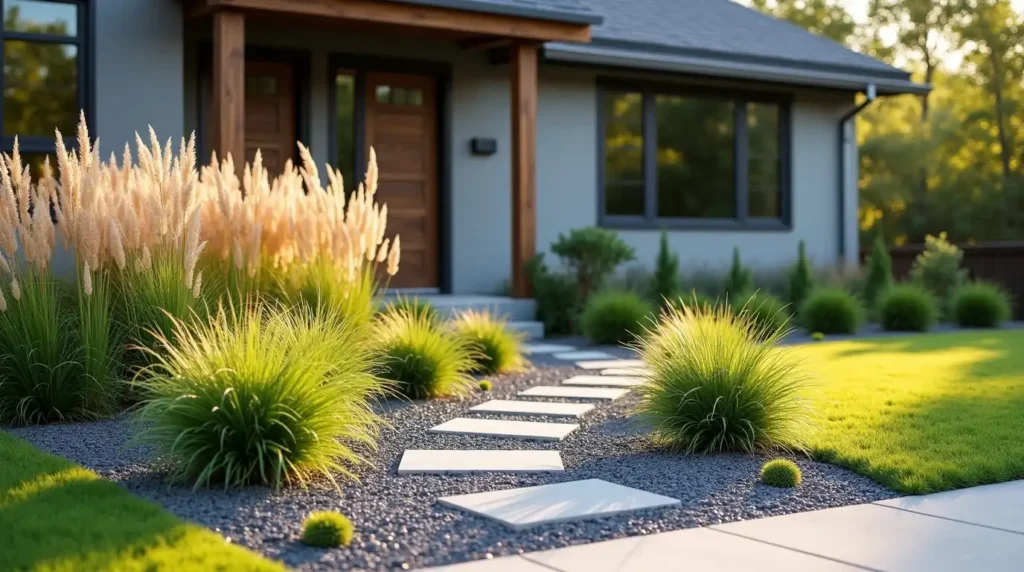
Ornamental grasses add movement and height. They also look good with simple gray, tan, or white gravel.
Plant them in groups of three or five. Repeated plants often look better than many single types.
Choose short grasses near windows and paths. Taller grass may block views or fall across the walkway.
Many grasses need a trim once a year. Some spread quickly, so check the mature width before planting.
Place taller grass at the back of the bed. Use smaller rocks and low plants near the front.
Budget tip: Divide healthy grasses from another part of your yard instead of buying new plants.
Build a Small Succulent Pocket Garden
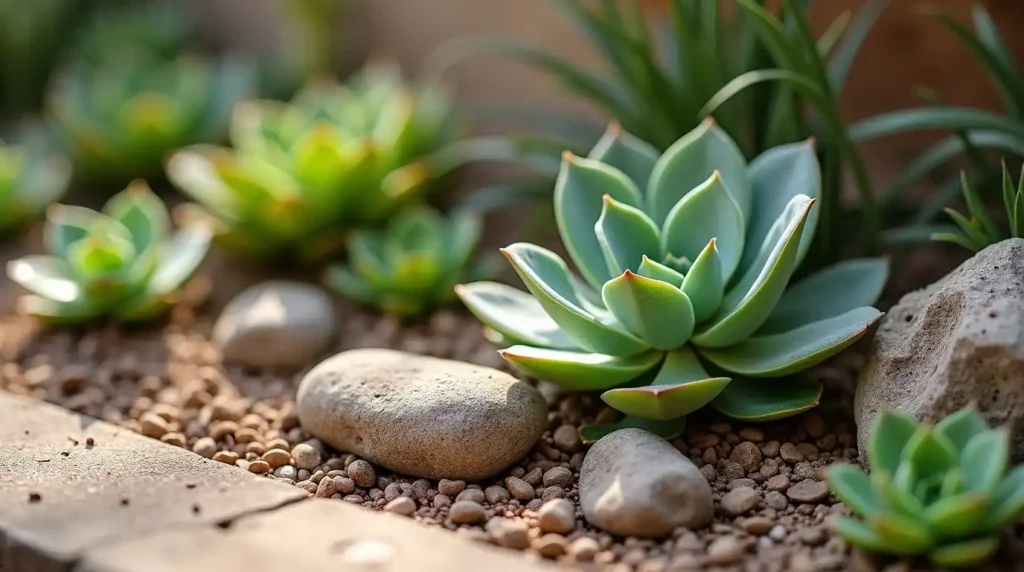
A succulent garden can fill a sunny corner with very little water. It works best in soil that drains quickly.
Use one or two larger rocks as anchors. Add fine gravel around smaller plants.
Choose hardy succulents that can handle your winter weather. Some types cannot survive frost.
Avoid low areas where rainwater collects. Wet roots can damage many succulent plants.
Start with a few small plants or cuttings. Leave open space so they can spread.
Budget tip: Ask friends or neighbors for healthy cuttings from plants they already grow.
Make a Shaded Rock Bed With Foliage Plants
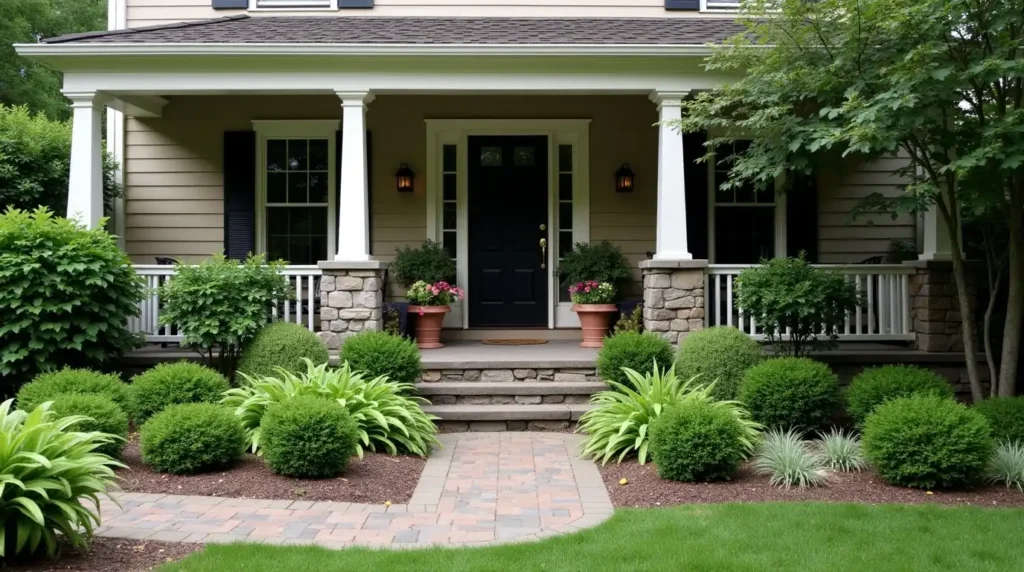
Shaded areas need a different plan. Many sun-loving plants will become weak under a covered porch or large tree.
Try ferns, heuchera, carex, hostas, or native shade plants. Pick species that grow well in your local soil and weather.
Use dark or mixed stones to add depth. Bright white rocks may look harsh in a soft, shaded setting.
Place broad leaves beside smaller gravel. This creates clear contrast without adding many plant types.
Watch for slugs, deer, or standing water. Shade beds can stay damp longer than sunny beds.
Budget tip: Divide mature ferns or hostas from an existing bed.
4 Decorative Rock Features Made With Low-Cost Materials
One strong focal point can do more than ten small decorations. Reused stones, bricks, and pavers can make the project even cheaper.
Paint a Large Stone as an Address Marker
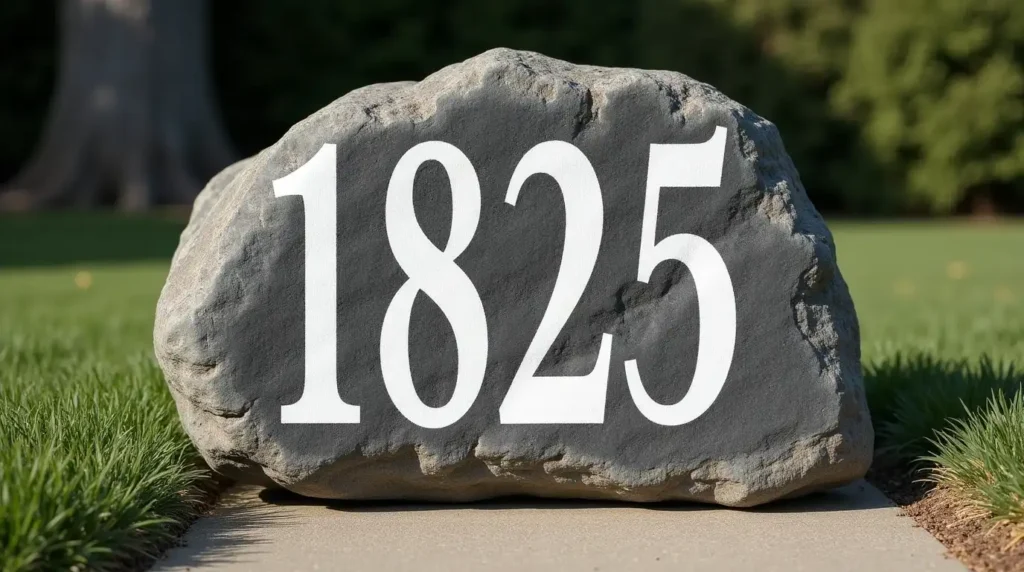
A painted address stone adds personality and helps people find your home. Choose a smooth stone with a wide, flat face.
Wash the rock and let it dry fully. Paint large numbers with outdoor paint.
Use strong contrast. White numbers on a dark stone are easier to read than busy patterns.
Add a clear outdoor sealer when the paint dries. Place the stone where plants will not cover it.
Keep the design simple. The address needs to stay readable from the road.
Budget tip: Use a stone from your own property or ask a local supplier about damaged pieces.
Make a Low Stacked-Stone Accent
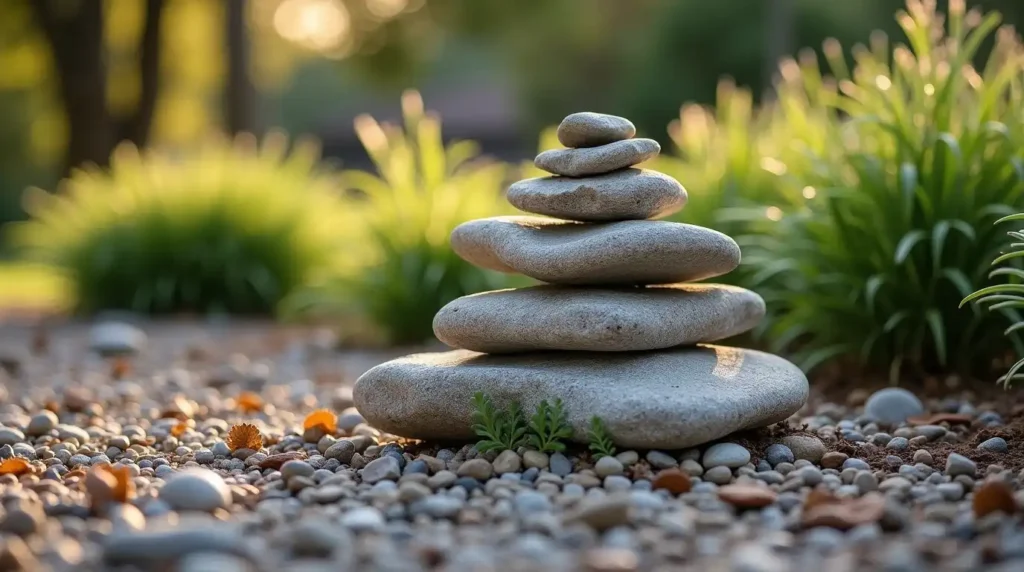
A small stack of flat stones can fill an empty bed without adding another plant. It also adds height to a flat space.
Choose wide stones that sit firmly on each other. Place the largest one at the bottom.
Keep the stack low. Tall stacks can fall and hurt someone.
Set it away from paths, play areas, and driveway edges. Check it after storms or strong winds.
Surround the base with gravel or low groundcover. This helps the stack look like part of the yard.
Budget tip: Use leftover edging stones or broken pavers with safe, smooth edges.
Create a Gravel Circle With Reclaimed Pavers
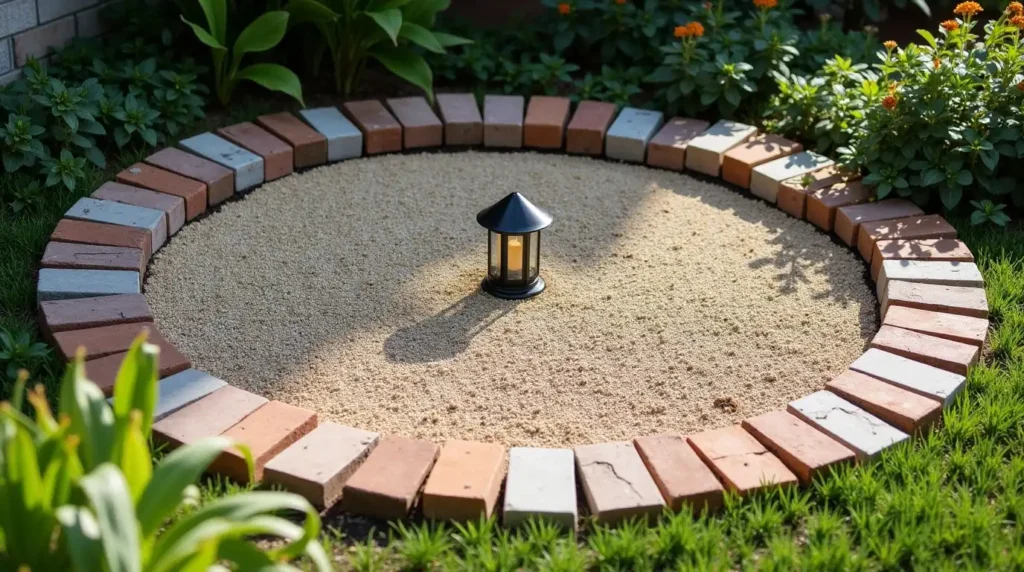
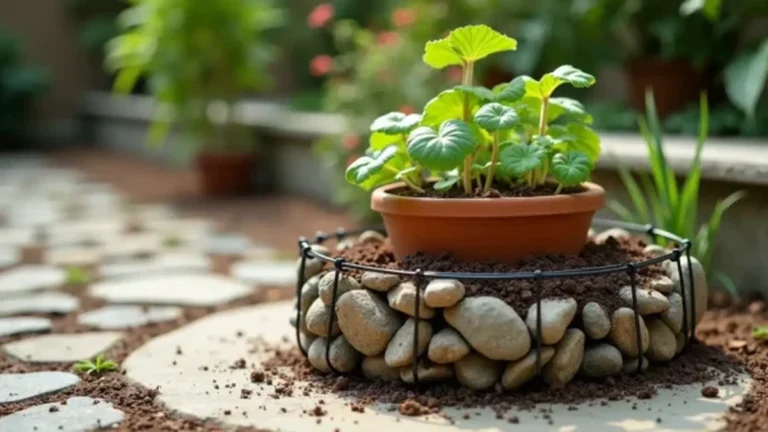
A gravel circle can give an empty yard corner a clear purpose. It may hold a planter, birdbath, or solar lantern.
Lay out the circle with a hose or string. Use old bricks or pavers as the outer edge.
Remove weeds and level the center. Fill it with gravel that matches another part of the yard.
Place one item in the middle. Too many decorations can make the small area feel crowded.
Check local reuse shops, online groups, and building salvage yards for leftover materials.
Budget tip: Mix pavers of similar size even when their colors are slightly different.
Use One Large Boulder as a Focal Point
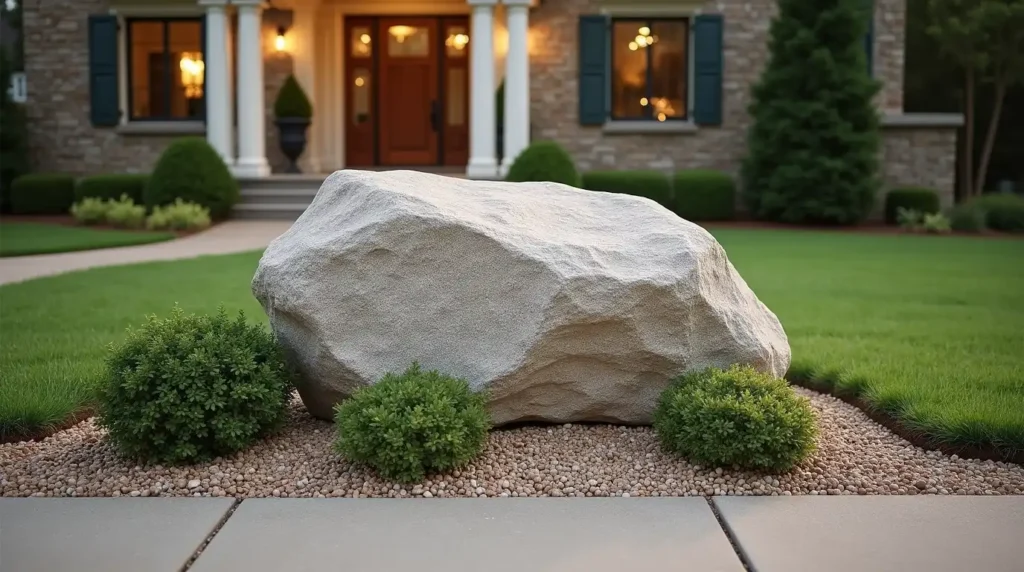
A single boulder can give a larger front yard a strong natural feature. It may cost less than filling the space with many plants and decorations.
Choose a stone that fits the size of the house. A tiny rock may disappear in a wide yard.
Set part of the boulder into the soil. This makes it look natural and helps it stay stable.
Add gravel and two or three low plants around the base. Leave some open space so the feature does not feel crowded.
Ask local farms, excavation crews, or neighbors about unwanted fieldstones. Get permission before taking any stone.
Budget tip: Pick up the stone yourself only when you have safe lifting equipment and a suitable vehicle.
3 Rock Ideas for Small Yards, Slopes, and Driveways
Narrow strips, slopes, and empty corners are hard to mow. Rocks can turn these problem areas into useful features.
Turn an Empty Front Corner Into a Mini Rock Garden
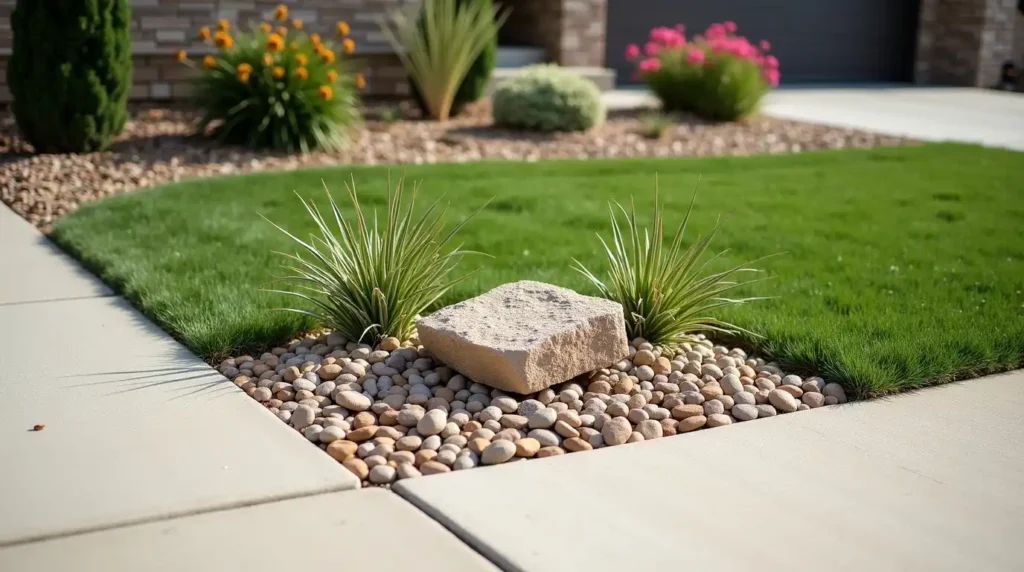
A small corner garden can make a plain lawn feel complete. Use a triangle or soft curve to fit the space.
Start with one medium rock. Add smaller stones around it.
Choose one or two compact plants. Too many types can make a small bed look messy.
Repeat a color from the house. Tan stone may work with warm brick. Gray stone often suits modern siding.
Keep the bed low near sidewalks and driveways. Drivers and walkers need a clear view.
Budget tip: Use rocks left from other projects and buy only one small plant.
Use Rocks to Improve a Small Front-Yard Slope
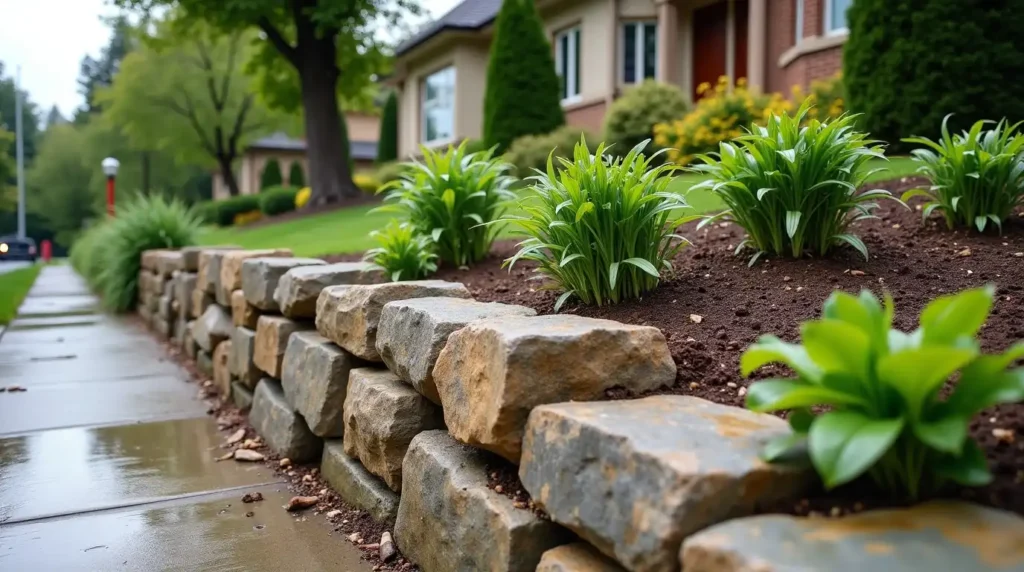
A mild slope can be hard to mow and may lose soil during rain. Rocks can slow some surface movement and create planting pockets.
Place stones across the slope instead of in straight lines from top to bottom. This can help break the path of flowing water.
Use larger, rough stones that grip the soil. Small, round pebbles may roll or wash away.
Add deep-rooted plants between the stones. Choose plants made for your climate and slope conditions.
Watch the area after rain. Moving soil, deep channels, or leaning walls may point to a bigger problem.
A decorative layer of rock cannot repair serious erosion. Get professional advice for steep land or major water flow.
Budget tip: Improve one short part of the slope first and study how it handles rain.
Add a Gravel Ribbon Beside the Driveway
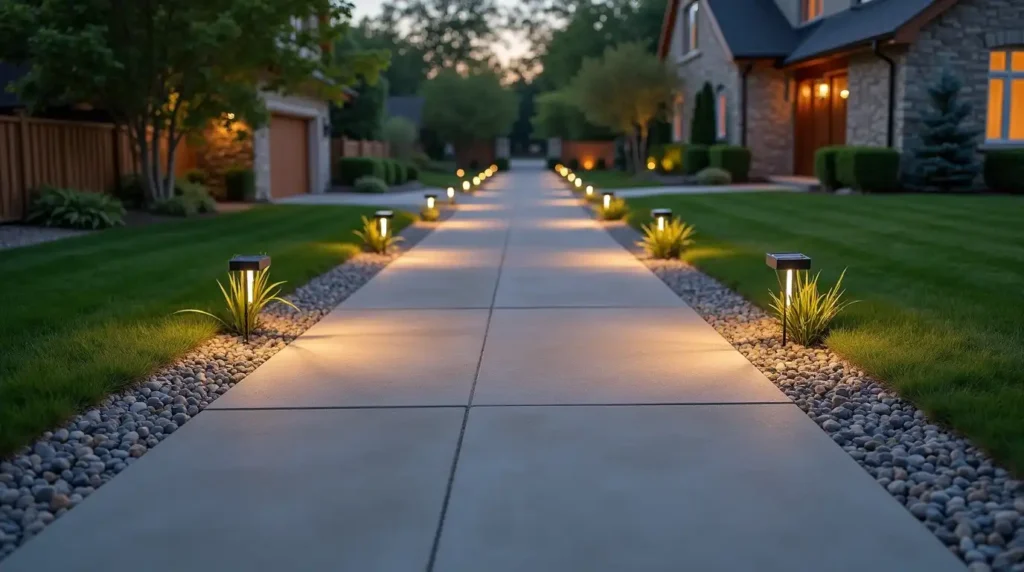
A gravel ribbon can improve a narrow strip where grass struggles to grow. It also reduces trimming beside concrete.
Make the ribbon straight for a modern look. Use a gentle curve if the house has softer garden shapes.
Place larger stones near the driveway edge. Keep smaller gravel farther inside the bed.
Add solar lights or spaced plants if the strip is wide enough. Leave clear space around car doors.
Use firm edging along the lawn side. Sweep loose stones off the driveway before they reach vehicle tires.
Budget tip: Cover the most visible section first instead of the full driveway length.
How to Install a Front Yard Rock Bed Step by Step
Good preparation helps rocks stay in place. It also reduces weeds, dips, and messy edges.
- Mark the shape. Use a hose, string, or marking paint.
- Check for buried lines. Contact the local utility-marking service before digging.
- Remove grass and weeds. Pull roots instead of cutting only the top growth.
- Check drainage. Water should move away from the house.
- Level the soil. Fill holes and remove sharp bumps.
- Install edging. Secure it before adding gravel.
- Prepare the base. Paths may need compacted material below the top stone.
- Place large rocks first. They are harder to move after the gravel arrives.
- Spread smaller rock. Rake it into an even layer.
- Add plants and lights. Keep space around stems and fixtures.
- Clean the area. Sweep paths and wash dust from the stones.
- Inspect it after rain. Fix pooling, movement, or low spots early.
Landscape fabric may reduce weeds for a time, but it is not a permanent fix. Dust, leaves, and soil can collect above it. Weeds may then grow on top.
Fabric can also make future planting harder. Use it only when it suits the type of bed and local conditions.
Do not use solid plastic as a basic weed barrier. It may block water and create drainage trouble.
How to Save Money on Landscape Rocks
Material cost is only one part of your budget. Delivery, edging, base material, tools, and waste can raise the total.
Compare prices from garden centers, stone yards, and building suppliers. Ask how much area each bag, ton, or cubic yard will cover.
Bulk stone may cost less for a large job. Bags may be cheaper when you need a small amount and can carry them yourself.
Use plain gravel in large or hidden spaces. Place decorative river rock only near paths, porches, and focal points.
Reuse safe bricks, pavers, and stones from your property. You can also check resale groups and building reuse shops.
Ask neighbors whether they want to share a delivery. Splitting the fee can cut costs for both homes.
Buy fewer plant types. Repeat three strong plants instead of buying ten single plants.
Spend your money on:
- Firm edging
- Safe paths
- Drainage repairs
- Healthy plants
- A stable base
Save money on:
- Extra decorations
- Costly pots
- Premium stone in hidden areas
- Too many plant types
- Materials you already own
Budget-friendly front yard landscaping works best when you spend on structure first. Decorations can come later.
10 Rock Landscaping Mistakes That Can Cost You More
A cheap project can become expensive when stones move, weeds return, or water collects beside the house.
Avoid these common mistakes:
- Buying before measuring: You may run short or pay for unused material.
- Skipping edging: Loose stones will spread into grass and paths.
- Using tiny rocks on slopes: Rain may carry them downhill.
- Blocking drainage: Raised beds can trap water near the house.
- Piling stone against siding: This can hide moisture or pest problems.
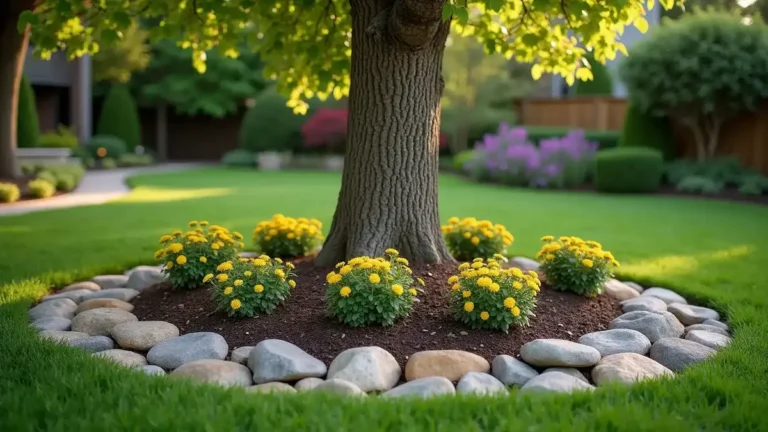
- Covering tree trunks: Keep rocks and soil away from the trunk base.
- Using round gravel on busy paths: It may shift under your feet.
- Mixing too many colors: The front yard can look crowded.
- Ignoring plant size: Small plants may soon cover paths or windows.
- Expecting zero maintenance: Leaves, soil, and weeds still need removal.
Test one small area before you change the full yard. Watch how it handles rain, foot traffic, and normal yard care.