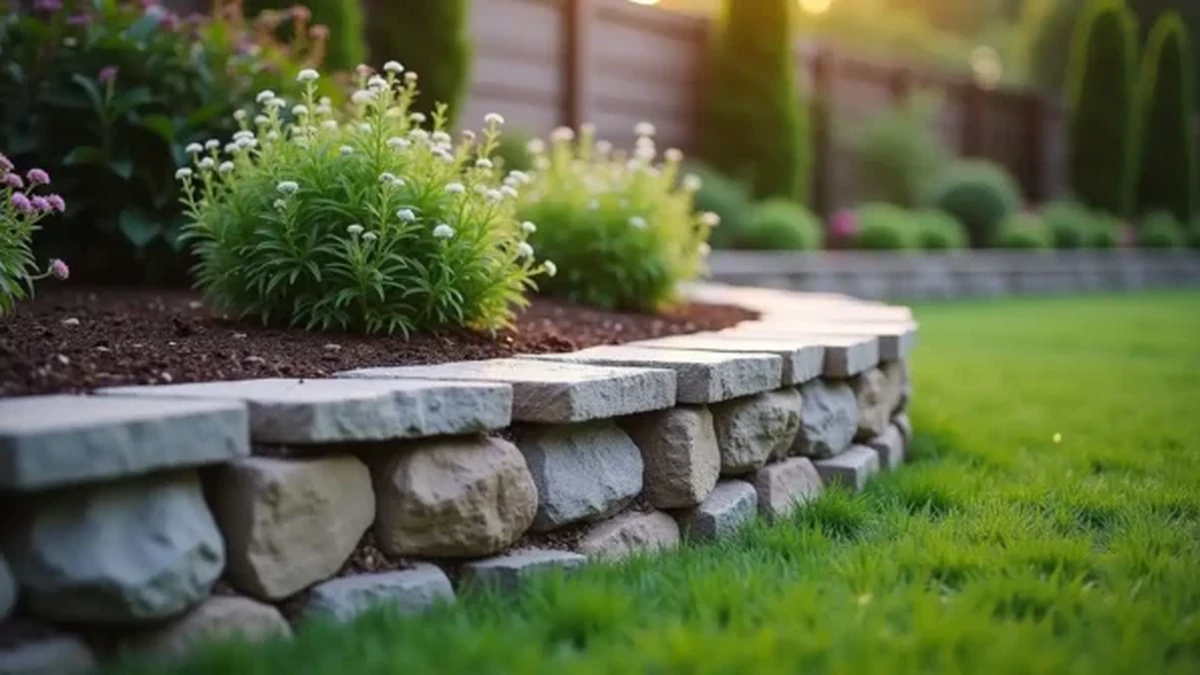
19 Low Maintenance Rock Landscaping Ideas for Your Front Yard
A beautiful front yard should not take up every free weekend.
Grass needs mowing. Flower beds need weeding. Many plants also need regular watering, feeding, and trimming.
These jobs can become hard to manage when you have a busy week. They can also raise your water bill during hot weather.
The right low maintenance rock landscaping ideas can reduce that work. Rocks do not need watering or mowing. They can also cover dry soil, shape planting beds, and guide rainwater through the yard.
Still, filling the whole yard with one type of stone is rarely the best answer. A rock-only yard may feel hot, flat, and empty.
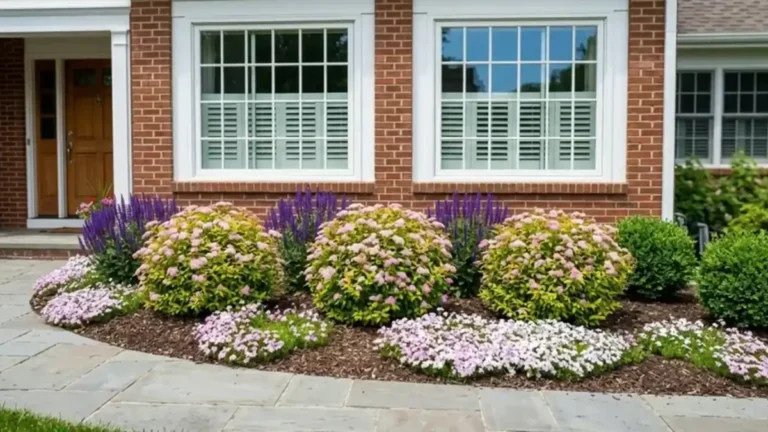
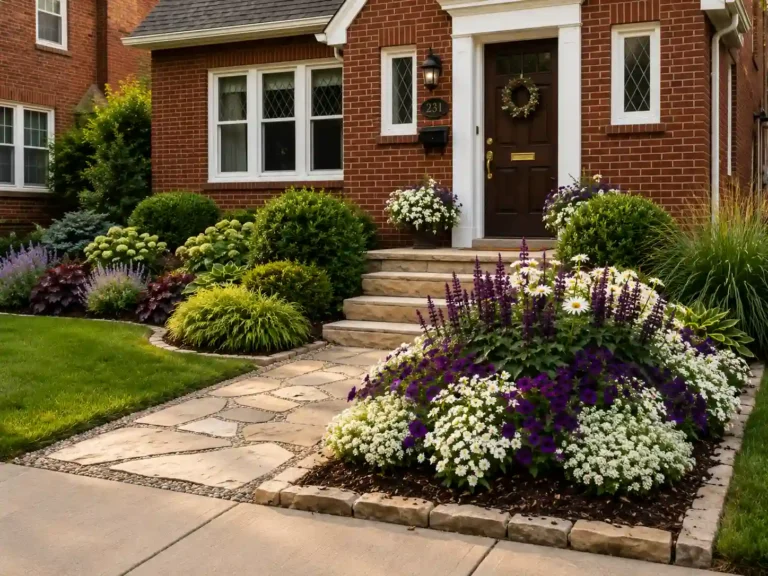
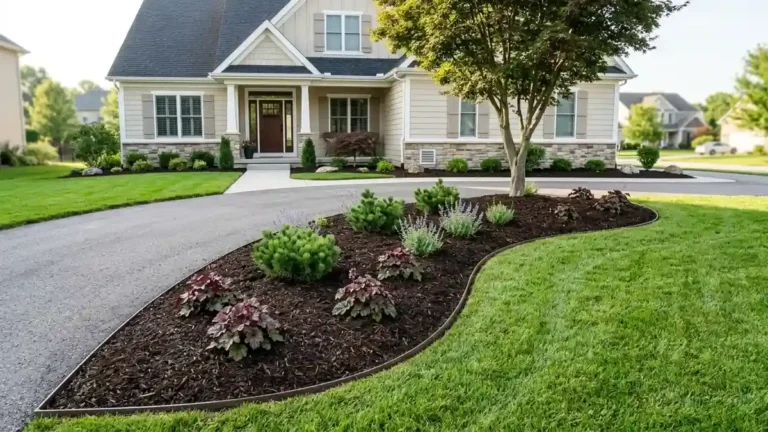
A better plan mixes stone with paths, boulders, low-care plants, and clear borders. Landscaping with rocks and plants gives you texture and color without creating a long list of chores.
Start with one problem area. It may be a dry lawn strip, a muddy downspout, or a bed full of weeds.
Then choose one of these low maintenance front yard landscaping ideas to make that space easier to manage.
How to Plan Rock Landscaping That Reduces Yard Work
Rock does not make a yard low maintenance by itself. Poor placement can create weeds, heat problems, and drainage issues.
Start by walking through your front yard. Look for areas that take the most time or water.
Ask yourself these questions:
- Which areas are hard to mow?
- Where do weeds grow fastest?
- Which plants need constant watering?
- Where does rainwater collect?
- Which areas look bare or unfinished?
- Where do leaves collect in fall?
Your answers will help you choose the right rock landscaping plan.
Next, study the way water moves through the yard. Check the ground after heavy rain. Make sure your design does not trap water beside the foundation.
Choose a limited range of materials. One main rock color and one accent stone are often enough.
Gray stone can suit a modern house. Warm tan gravel can work well with brick, cream siding, or wood details.
Think about scale too. Tiny gravel may look lost in a large bed. Huge boulders can make a small front yard feel crowded.
Set a budget before ordering materials. Include the cost of rock, delivery, edging, plants, soil work, and labor.
Use a simple maintenance test for every feature. Ask whether it will reduce mowing, watering, weeding, trimming, or drainage work.
If it does not solve a real problem, it may add more work instead.
4 Gravel Ideas That Replace Hard-to-Maintain Lawn
Small lawn sections can create a surprising amount of work. Narrow strips are hard to mow, and dry patches often need extra water.
Gravel can turn those areas into useful and clean-looking spaces.
Replace a Small Lawn Section With Pea Gravel
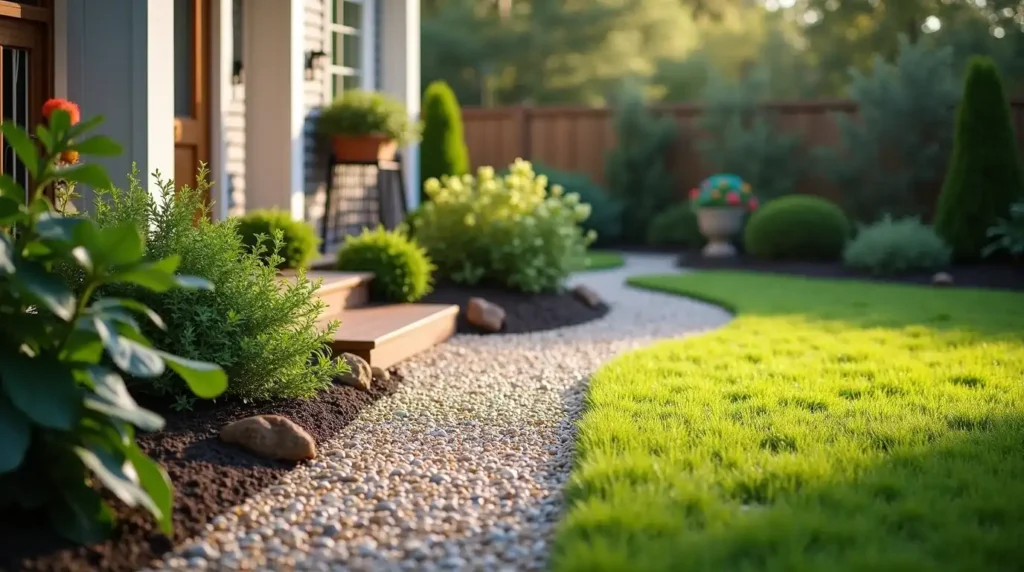
Pea gravel can replace a small patch of grass near the porch or side yard. It works well in open areas where you want a softer look than large stone.
The small, rounded stones feel less harsh than crushed rock. They can also create a simple sitting area.
Install strong edging before adding the gravel. Metal, brick, concrete, or stone edging can stop it from spreading into the lawn.
Keep pea gravel away from steep slopes. The round pieces can move under shoes and wash downhill during rain.
Leaf cleanup can also be harder in pea gravel. Small leaves often settle between the stones.
Add two large planters or one small tree to break up the open surface. Avoid filling the area with many small pots.
Best for: Small seating areas and flat lawn sections
Maintenance level: Low
Main benefit: Removes mowing and reduces watering
Watch out for: Shifting stones and trapped leaves
Create a Decomposed Granite Front Yard
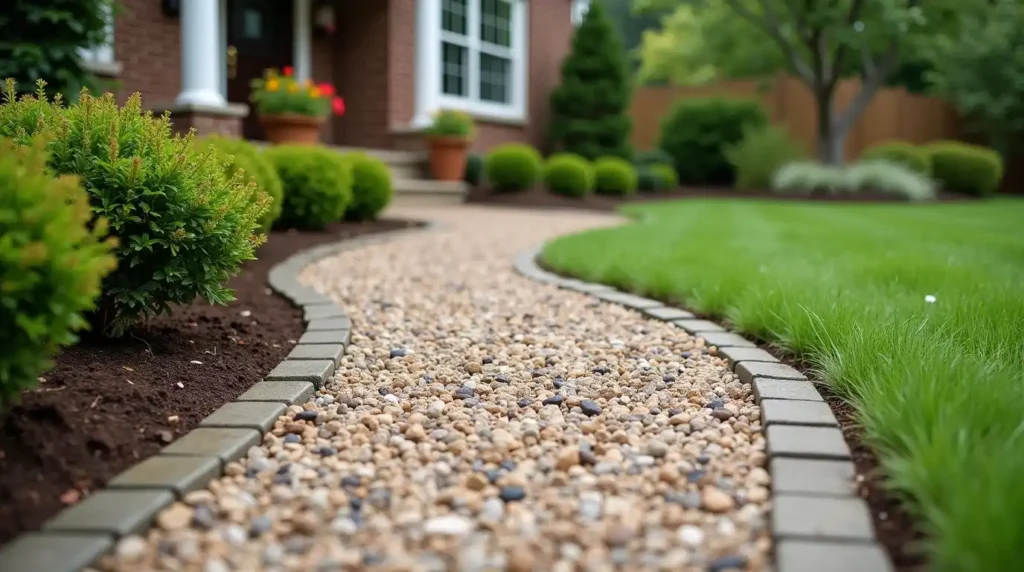
Decomposed granite is made from small pieces of weathered stone. It creates a firm, natural-looking surface when installed and compacted correctly.
It works well around stepping stones, desert plants, and simple seating areas. Its smooth look can also make a small yard feel less busy.
Warm brown or gold granite often suits brick and cream homes. Gray granite can work with modern siding or concrete.
The base must be prepared before installation. Loose soil can cause the surface to sink or develop low spots.
A hand tamper may work for a small space. A larger area may need a plate compactor.
Decomposed granite is firmer than pea gravel. However, it may still need raking or repairs after heavy rain.
Best for: Dry climates and natural-style front yards
Maintenance level: Low
Main benefit: Creates a firm surface with no mowing
Watch out for: Poor compaction and water erosion
Add a Gravel Strip Beside the Driveway
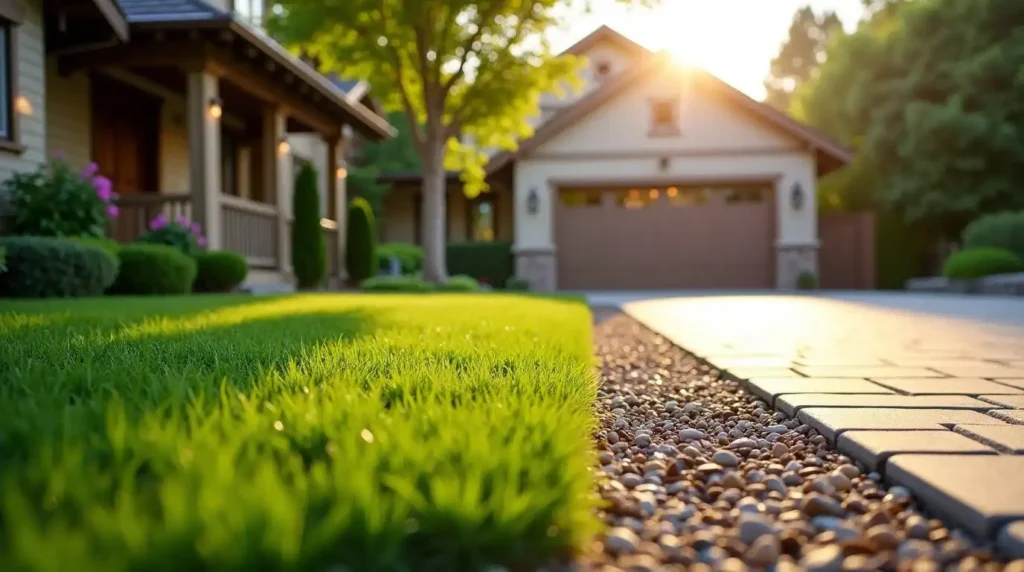
A thin lawn strip beside the driveway can be hard to mow. It may also turn brown from tire heat and road salt.
Replace that grass with a narrow gravel border. A width of 12 to 24 inches may work in many yards.
Measure the space with your car parked. Open the doors to make sure the border will not block access.
Keep plants low near car doors. Compact grasses or small groundcovers may work better than wide shrubs.
Add firm edging along both sides. This keeps gravel off the driveway and out of the lawn.
You can also add a few low lights along the strip. Space them well apart so the border does not feel crowded.
Best for: Narrow strips beside driveways
Maintenance level: Very low
Main benefit: Removes difficult mowing areas
Watch out for: Loose gravel near tires
Build a Small Gravel Courtyard
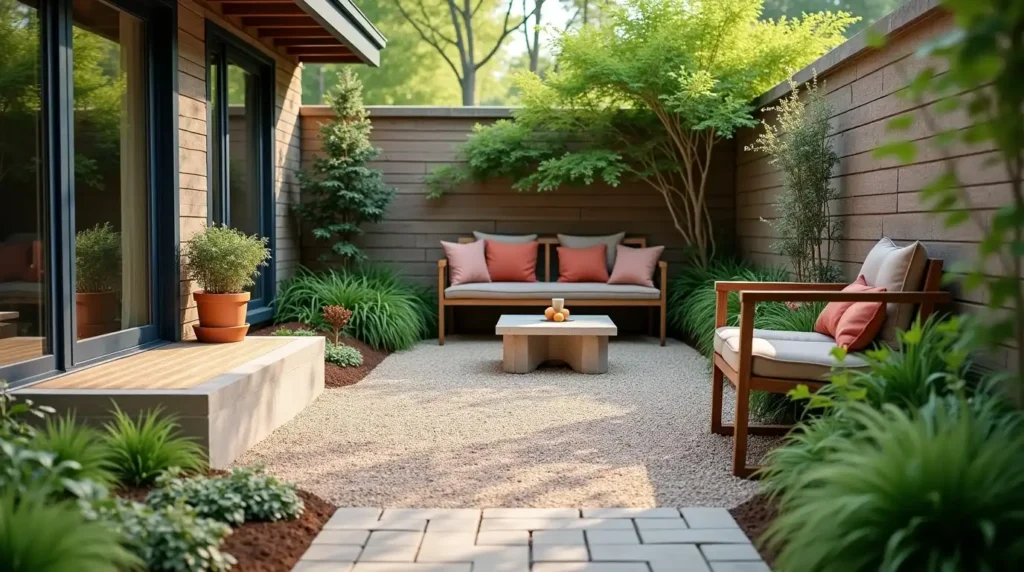
A gravel courtyard can turn unused front-yard space into a simple seating area. It works well beside a porch or near a garden wall.
Use two chairs and one small table. This gives you a useful spot without filling the area.
Define the courtyard with pavers, brick, or stone edging. A clear border makes the space look planned.
Add one larger plant as a focal point. A compact tree, evergreen shrub, or large container can soften the gravel.
Keep furniture away from the main path to the door. Guests should not need to walk around chairs or tables.
Choose stable, flat gravel if the area will hold furniture. Very loose stone can make chairs wobble.
Best for: Unused areas near the entrance
Maintenance level: Low
Main benefit: Adds useful space without grass
Watch out for: Unstable furniture and blocked walkways
4 Rock Borders and Paths That Keep the Yard Neat
Clear lines can make even a simple front yard look finished. Borders and paths guide the eye and keep materials in place.
Use the same stone in two or three areas to connect the design.
Frame Flower Beds With River Rock
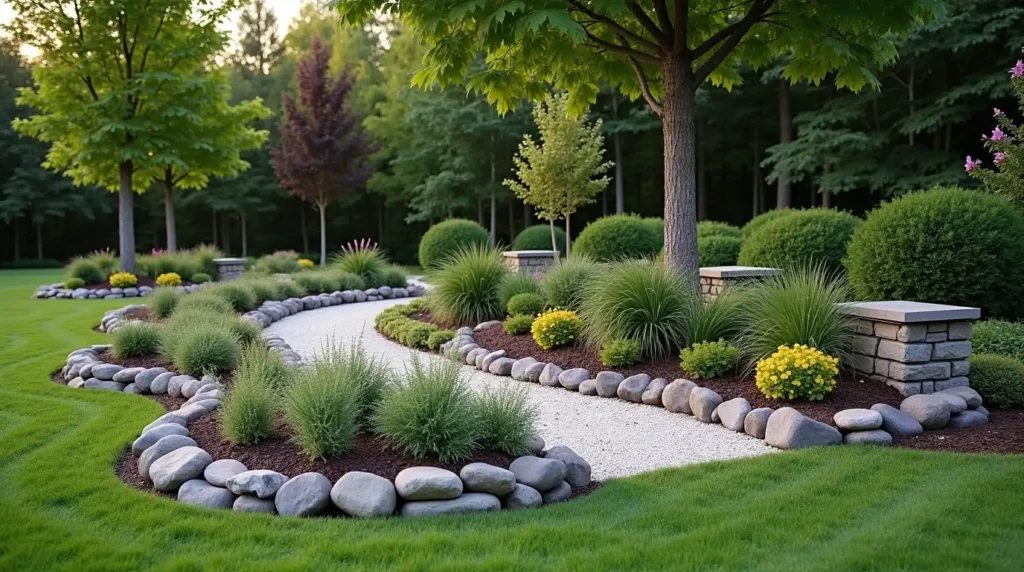
River rock can give planting beds a soft and natural edge. The smooth stones work well around curved beds and trees.
Choose one main color. Mixing many colors can make the border look busy.
Medium stones are often easier to keep in place than tiny pebbles. They also create a stronger line beside mulch or soil.
Do not pile rock against plant stems. This can trap heat and moisture around the base.
Install edging behind the river rock. The hidden edge helps stop stones from rolling into the lawn.
Repeat the same rock near the walkway or mailbox. This small detail can make the whole yard feel connected.
Best for: Curved beds and traditional homes
Maintenance level: Low
Main benefit: Creates a clean border
Watch out for: Heat around plant stems
Add a Stepping-Stone Path Through Gravel
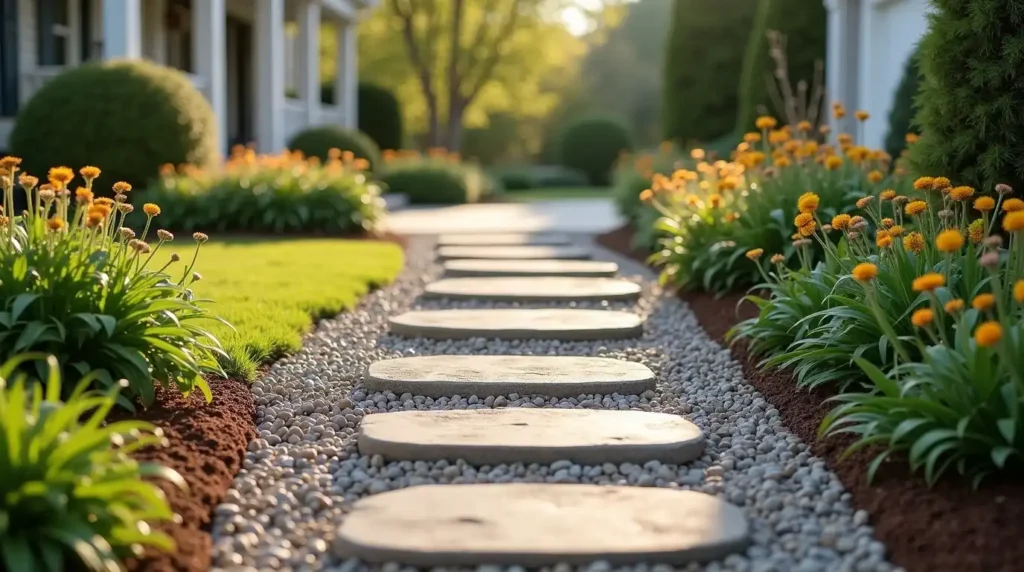
A stepping-stone path can connect the driveway, sidewalk, and porch. It gives people a firm place to walk through a gravel area.
Use flat stones with a rough surface. Smooth stones may become slippery when wet.
Place the stones based on a comfortable walking stride. Test the spacing before fixing them in place.
Large rectangular pavers can suit a modern home. Irregular natural stone may suit a cottage or rustic design.
Fill the gaps with fine gravel or low groundcover. Keep the walking surface clear of loose round stones.
Set each stone on a stable base. Uneven stones can move or become trip hazards.
Best for: Gravel yards and side paths
Maintenance level: Low
Main benefit: Adds safe access through rock
Watch out for: Loose or uneven stones
Build a Decorative Dry Creek Bed
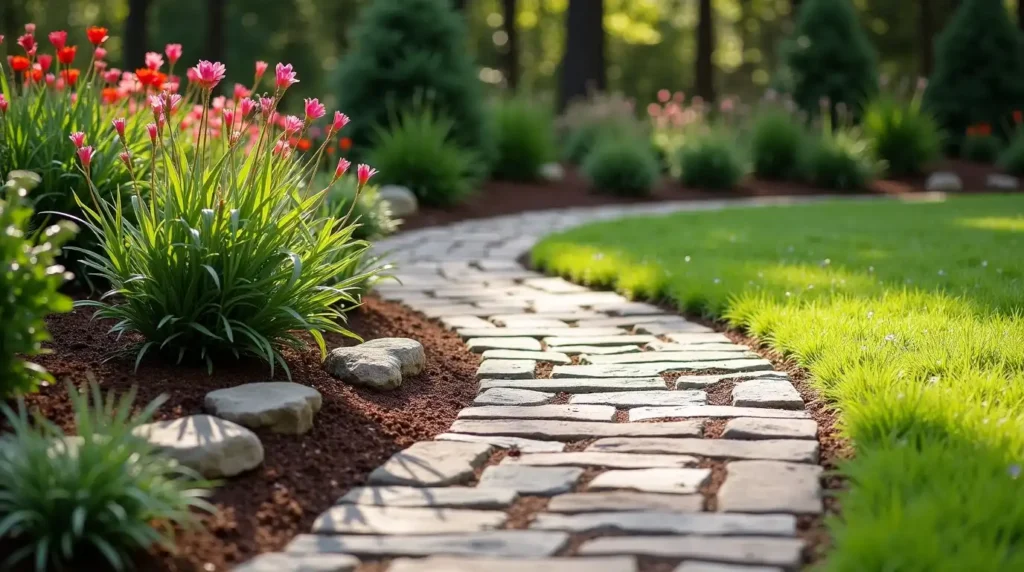
A dry creek can turn a muddy drainage path into an attractive feature. It uses stones to guide water through the yard during rain.
Follow the natural direction of the water. Do not create a channel that sends runoff toward the house.
Place larger stones along the outer curves. Add smaller gravel through the center.
A dry creek may start near a downspout. It can end in a planted basin or another safe drainage point.
Add grasses or plants that can handle short wet periods. Keep the center open so water can move.
Rocks alone cannot fix serious grading issues. Call a drainage expert if water enters the house or stays beside the foundation.
Best for: Wet areas and worn drainage paths
Maintenance level: Low
Main benefit: Controls light runoff and soil erosion
Watch out for: Sending water to the wrong area
Use Rock Edging Along the Front Walkway
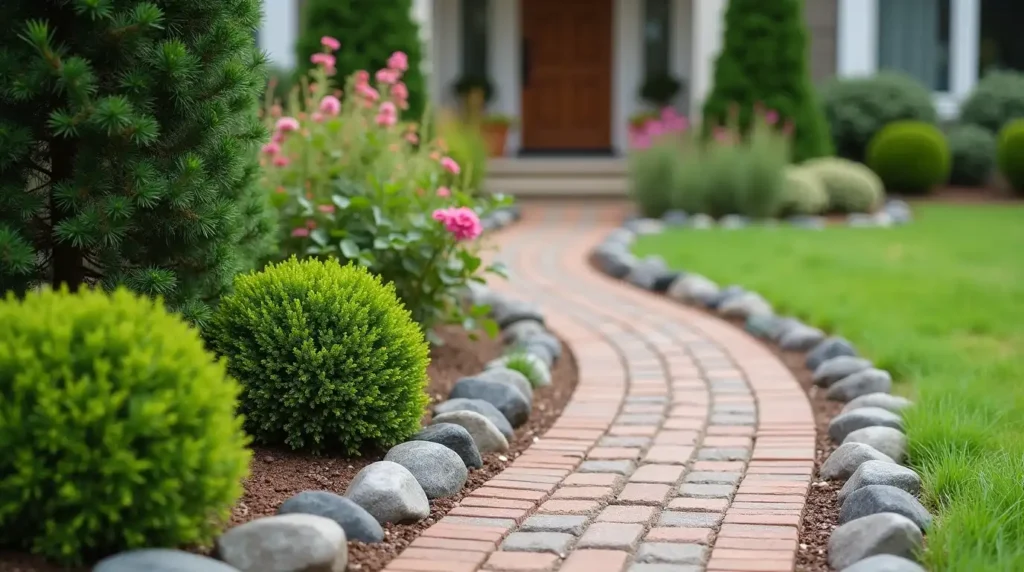
Rock edging can draw attention from the street to the front door. It also creates a clean break between the walkway and planting beds.
Use the same stone found in another part of the yard. This may be river rock, flat stone, or small boulders.
Keep the edging low near walking areas. Tall or loose stones can create trip hazards.
Avoid round rocks on the main walking surface. Use them only beside the path.
Add low plants behind the border. This can soften the edge without blocking the walkway.
A simple line often looks better than a wide band of mixed stones.
Best for: Front paths and porch entrances
Maintenance level: Very low
Main benefit: Creates a clear visual path
Watch out for: Loose rocks near walking areas
4 Stone Features That Add Shape and Height
Large open areas of gravel can look flat. Boulders, stone planters, and low walls add height and structure.
Keep each feature in scale with the house and yard.
Group Boulders Instead of Using One Alone
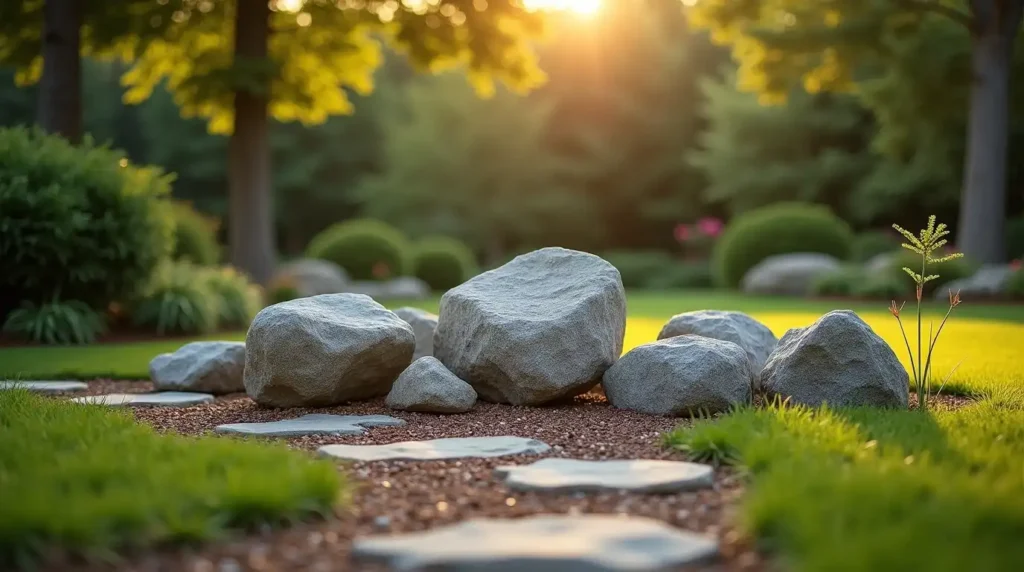
One boulder in the middle of a bed can look out of place. A group of two or three often feels more natural.
Use boulders in different sizes. Keep the stone type and color similar.
Bury part of each boulder in the soil. This makes the stones look settled instead of dropped on top.
Turn the most attractive side toward the main viewing area. This may be the street, porch, or walkway.
Add a few low plants around the base. Leave some open space so the group does not feel crowded.
A three-stone group can also hide an empty corner or soften a slope.
Best for: Slopes and large gravel beds
Maintenance level: Very low
Main benefit: Adds a strong focal point
Watch out for: Stones that feel too large for the yard
Build a Small Gabion Accent
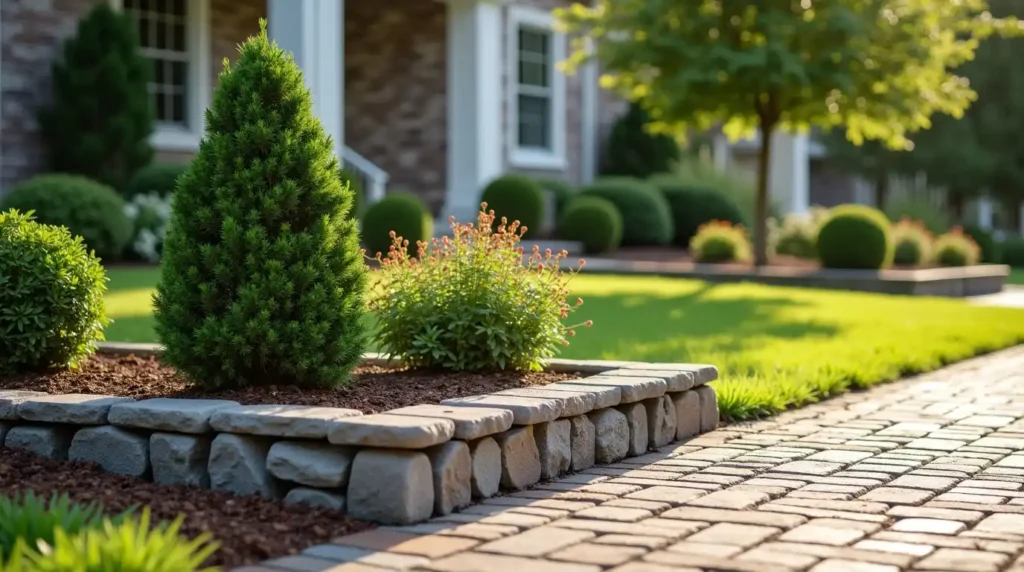
A gabion is a wire cage filled with stone. It can work as a mailbox base, short divider, or planter surround.
Gabions add strong lines to modern and industrial-style homes. They also allow you to repeat stone used elsewhere in the yard.
Use rust-resistant wire made for outdoor use. Weak metal may bend or break over time.
Keep the feature small in a front yard. A large gabion can feel heavy beside a modest house.
Fill the cage with stones that are too large to fall through the openings. Place the most attractive rocks along the visible sides.
A decorative gabion may be a simple DIY project. A load-bearing wall needs professional design and installation.
Best for: Modern homes and small accent areas
Maintenance level: Very low
Main benefit: Adds texture and structure
Watch out for: Rust and poor construction
Create a Low Rock Retaining Edge
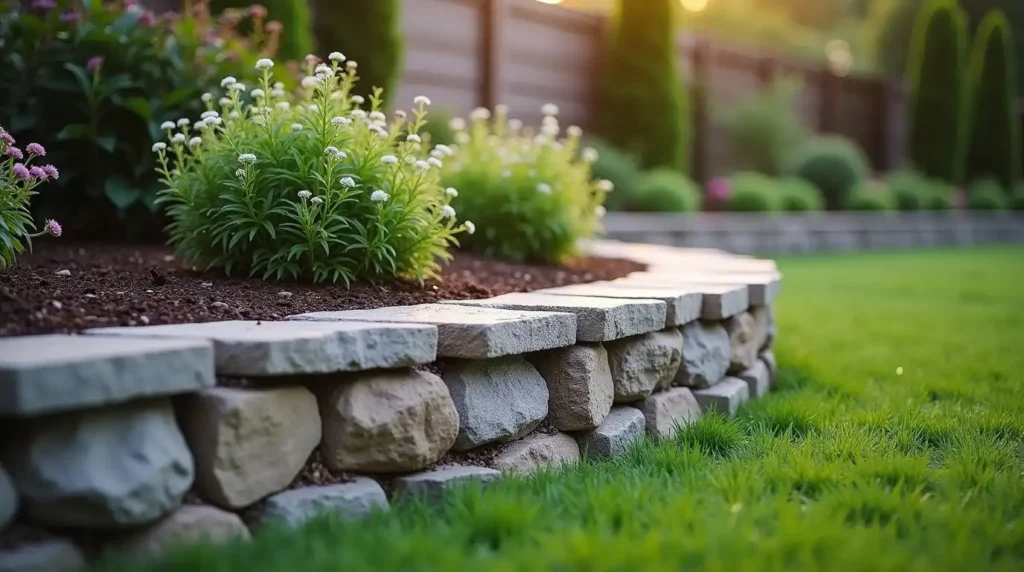
A low rock edge can hold a shallow slope or raised garden bed. It also helps separate planting areas from gravel.
Use flat stones that stack well. Round stones are harder to keep stable.
Prepare a firm base before adding the first row. A weak base can cause the wall to lean or sink.
Add drainage behind the stones. Trapped water can push the wall forward.
Keep DIY retaining edges low. Tall or load-bearing walls may need permits, drainage work, and professional help.
Plant low groundcover above the edge. This can soften the stone and protect exposed soil.
These low maintenance rock landscaping ideas work best when structure and drainage are planned together.
Best for: Shallow slopes and raised beds
Maintenance level: Low
Main benefit: Holds soil and defines levels
Watch out for: Poor drainage behind the wall
Add a Raised Stone Planter Near the Porch
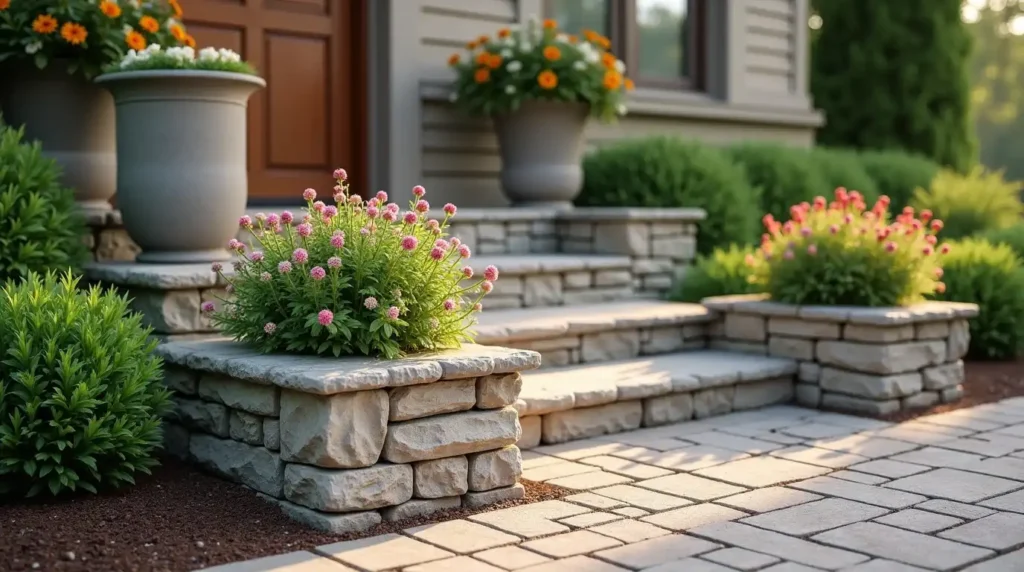
A raised stone planter can make plants easier to see and reach. It also adds a finished feature near the entrance.
Match the shape to the house. Straight lines often suit modern homes. Soft curves may suit traditional homes.
Use one evergreen as the main plant. Add a few seasonal flowers or groundcovers around it.
Do not fill the planter with many plant types. A simple mix is easier to care for and looks cleaner.
Keep the planter away from vents, steps, and access panels. It should not cover the lower part of a window.
Make sure extra water can drain out. Wet soil can damage plants and push against the stone.
Best for: Porch corners and entrance beds
Maintenance level: Low to moderate
Main benefit: Adds height and easier plant access
Watch out for: Blocked vents and poor drainage
4 Ways to Soften Rock With Low-Care Plants
A yard filled with stone can feel harsh. It can also become hot in strong sun.
Plants add shade, movement, and color. The key is choosing types that fit your climate and available space.
Pair Gravel With Succulents
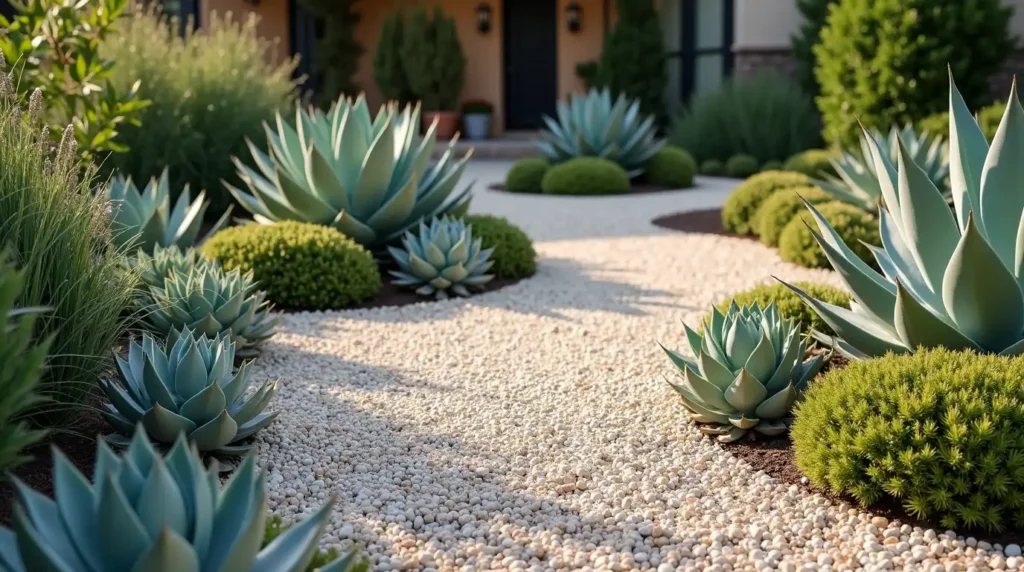
Succulents work well in sunny areas with good drainage. Their bold shapes stand out against simple gravel.
Group them in odd numbers. A group of three or five often looks more natural than a straight row.
Mix shapes instead of using many colors. You might pair a tall plant with two low, spreading types.
Leave enough room for mature growth. Small plants can spread wider than expected.
Succulents are not suited to every climate. Cold winters, heavy rain, or wet soil may cause damage.
Check local plant advice before buying. You may need hardy types or a different plant group.
Best for: Sunny and dry areas
Maintenance level: Low
Main benefit: Adds strong shape with little water
Watch out for: Cold or wet conditions
Add Ornamental Grasses Between Rock Groups
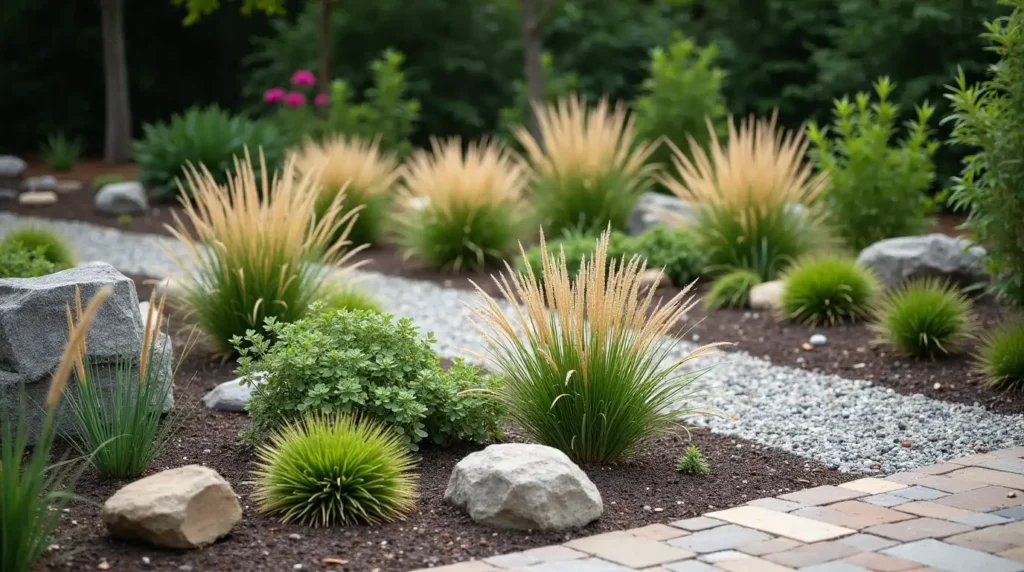
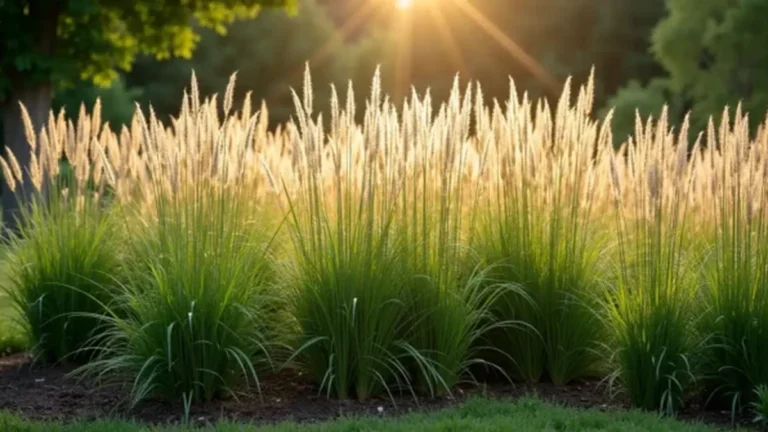
Ornamental grasses can soften hard stone and create movement. They look good beside boulders, paths, and gravel beds.
Choose compact types for a front yard. Large grasses may block windows or paths.
Ask whether the plant spreads by seed or underground roots. Some grasses can become hard to control.
Place grasses in small groups instead of a long row. This creates a more natural look.
Many grasses need cutting once a year. The exact time depends on the plant and climate.
Keep dry grass away from lights, vents, and heat sources. Local fire rules may limit where it can be planted.
Best for: Modern and natural-style rock gardens
Maintenance level: Low
Main benefit: Adds movement and soft texture
Watch out for: Spreading or tall varieties
Use Evergreen Shrubs as Year-Round Anchors
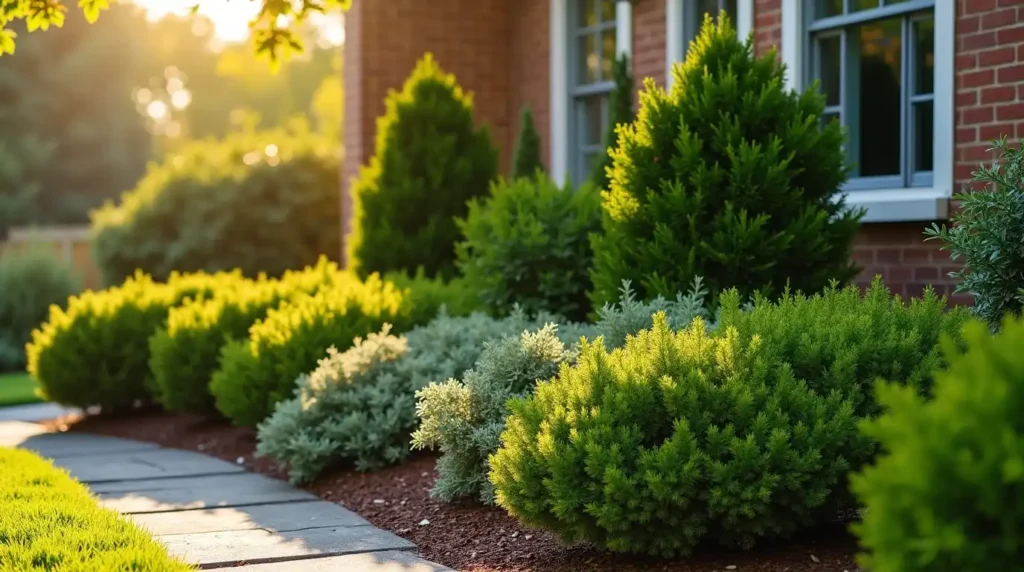
Evergreen shrubs keep their shape and color through more of the year. They can stop a rock yard from looking empty in winter.
Place them near house corners, steps, or large windows. These spots need strong visual anchors.
Choose plants by mature width. A compact shrub is usually easier to manage than one that needs constant shaping.
Repeat the same shrub in two or three places. Repetition can make the yard feel calm and planned.
Leave space between the plant and the house. Good airflow can reduce moisture problems.
Avoid planting over utility lines or access points. Check what lies below the soil before digging.
Best for: Foundation beds and entrance areas
Maintenance level: Low
Main benefit: Adds year-round color and shape
Watch out for: Wide growth near the house
Fill Gaps With Drought-Tolerant Groundcover
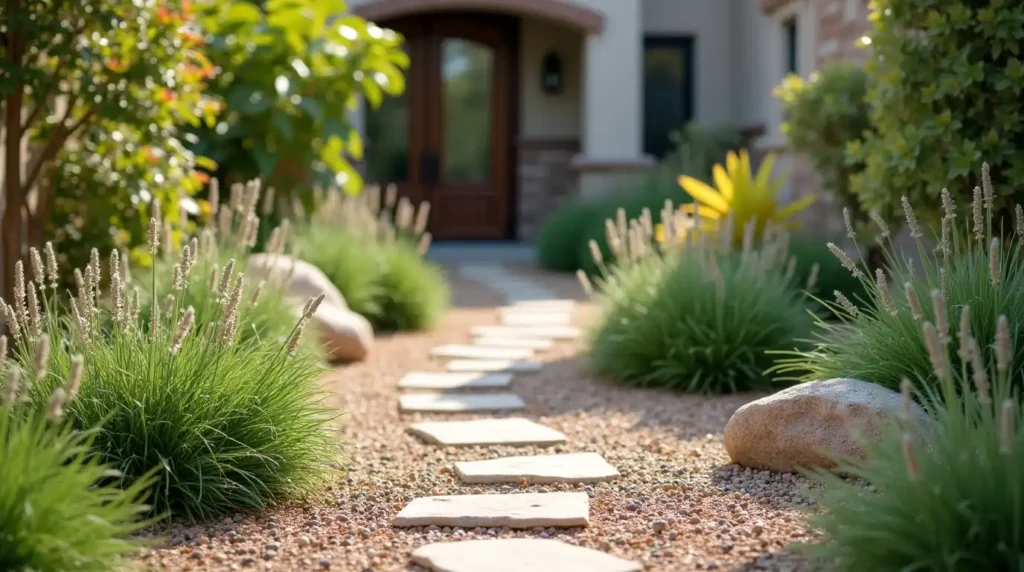
Groundcover can fill open areas between rocks and shrubs. It also reduces bare soil where weeds may grow.
Choose plants based on sunlight, soil, rainfall, and foot traffic. One plant will not work in every yard.
Creeping thyme may suit sunny and dry areas. Sedum may work in rocky soil. Native groundcovers may offer better support for local wildlife.
Keep spreading plants away from paths unless they handle trimming. Some types can cover stepping stones or spill onto the driveway.
New plants still need water while their roots grow. Low water use does not mean no water during the first season.
Use a few repeated patches instead of planting every open gap. This keeps the design simple.
Best for: Gaps between rocks and shrubs
Maintenance level: Low after the first season
Main benefit: Covers soil and softens stone
Watch out for: Fast-spreading growth
3 Small Rock Ideas for Awkward Front-Yard Areas
Difficult areas can offer the easiest places to start. You do not need to redesign the whole yard at once.
Fix one muddy, bare, or hard-to-mow spot first.
Turn a Downspout Area Into a Drainage Bed
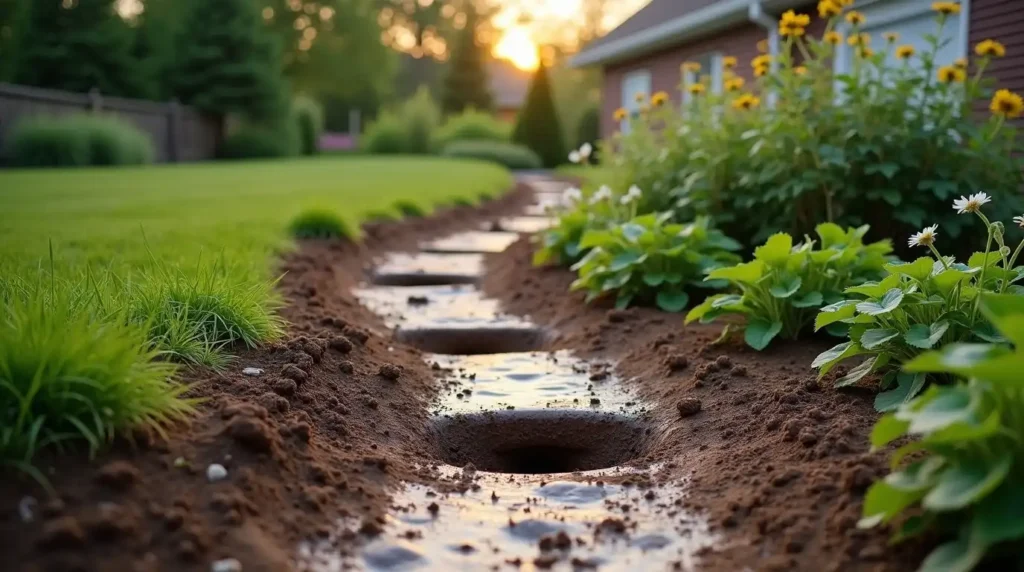
A downspout can wash away soil and create a muddy patch. A small rock bed can make the area look planned.
Start by making sure water moves away from the foundation. Extend the downspout when needed.
Use a splash block, larger drainage stone, or a shallow rock channel. The right choice depends on the amount of water.
Add a few plants that handle short wet periods. Keep their roots away from the foundation.
Do not pile stones against siding. This can trap moisture and hide pest damage.
Rock cannot correct a yard that slopes toward the house. A grading problem needs a proper repair.
Best for: Muddy downspout areas
Maintenance level: Low
Main benefit: Reduces soil splash and light erosion
Watch out for: Water collecting beside the foundation
Create a Rock Garden Around the Mailbox
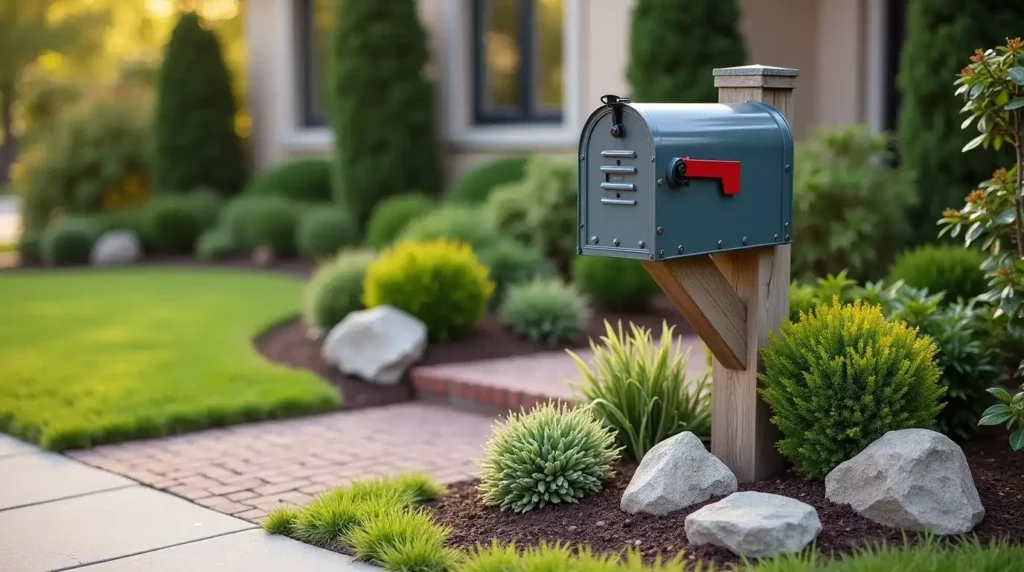
A small mailbox garden can improve curb appeal without taking up much space. It also gives you a place to repeat materials used near the house.
Use one main rock color. Add one dwarf grass and two patches of groundcover.
Keep plants low enough to protect street views. They should also allow easy access to the mailbox.
Choose plants that can handle heat from the road. Salt, dust, and dry soil may also affect this area.
Avoid sharp stones where a mail carrier may step. Keep the front edge flat and clear.
A small solar light can help people see the mailbox at night.
Best for: Small spaces near the street
Maintenance level: Low
Main benefit: Adds an easy focal point
Watch out for: Blocked access and street views
19. Install a Narrow Foundation Rock Strip
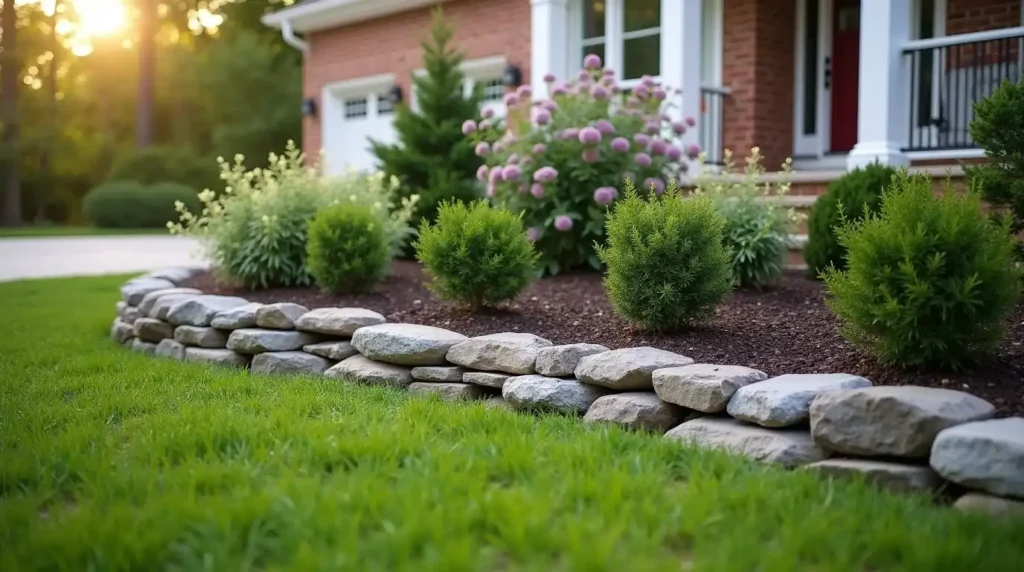
A narrow rock strip can create a clean buffer beside the house. It may also connect two larger planting beds.
Remove weeds and prepare the soil first. Do not place rock over a problem and expect it to disappear.
Make sure the ground slopes away from the foundation. Water should not sit beside the wall.
Keep stones below siding, vents, and drainage openings. Leave enough space to inspect the foundation.
Add a few spaced plants for color. Avoid filling the full strip with shrubs.
Use edging along the outer side. This keeps the rock from spreading into the lawn.
Best for: Narrow areas beside the house
Maintenance level: Very low
Main benefit: Creates a clean foundation border
Watch out for: Covered vents and trapped moisture
How to Keep Rock Landscaping Easy to Maintain
Low maintenance does not mean no maintenance. Rock areas still collect leaves, dust, weeds, and plant waste.
Good installation will reduce most problems.
Install Edging First
Edging keeps rock inside the bed. It also stops grass from spreading into the stones.
Choose metal, brick, concrete, or strong plastic edging. Set it firmly into the ground.
Check it every spring. Reset any section that has moved.
Prepare the Ground
Remove grass, roots, and weeds before adding rock. Level the area and fix drainage problems first.
Landscape fabric may reduce some weeds in areas without many plants. It is not perfect.
Soil and seeds can collect above the fabric over time. Weeds may then grow on top.
Avoid weak plastic sheets that trap water. Use a method that suits the site and local soil.
Remove Leaves Early
Dry leaves are easier to remove before they break down. Once they decay, they create soil between the stones.
Use a leaf blower on a low setting. A small rake may work around larger rocks.
Check corners and edges where leaves collect.
Inspect the Yard After Heavy Rain
Look for washed-out gravel, exposed soil, or standing water. Reset stones before the damage grows.
Clear leaves and dirt from dry creek beds. Water needs an open path.
Follow a Simple Seasonal Schedule
Spring: Pull young weeds and check edging.
Summer: Check plants and watering.
Fall: Remove leaves before they decay.
Winter: Check shifted stones and drainage channels.
A few short checks each year can stop bigger repair jobs.
8 Rock Landscaping Mistakes That Create More Work
A front yard photo may look great online. It may still fail in your climate or on your property.
Avoid these common rock landscaping mistakes.
1. Covering the Whole Yard With One Flat Layer
A flat rock surface can look empty and harsh.
Do this instead: Add a path, boulder group, and two or three plant areas.
2. Mixing Too Many Stone Colors
Many colors can make a small yard look messy.
Do this instead: Choose one main stone and one accent material.
3. Using Small Gravel on a Steep Slope
Loose gravel may slide or wash downhill.
Do this instead: Use larger stone, planted areas, or a stable retaining edge.
4. Ignoring Heat From the Rocks
Dark stone can absorb heat. Light stone may reflect strong light toward windows and plants.
Do this instead: Check the area during the hottest part of the day.
5. Blocking Drainage
Raised edges can trap water beside the house.
Do this instead: Watch where rainwater moves before installing borders.
6. Planting Shrubs Too Close Together
Young shrubs may look small. They can become crowded within a few years.
Do this instead: Space plants based on mature size.
7. Expecting Rocks to Stop Every Weed
Dust and seeds can collect between stones.
Do this instead: Prepare the ground and pull new weeds while they are small.
8. Piling Rocks Against the House
Rock can trap moisture or cover important openings.
Do this instead: Keep siding, vents, and the foundation edge visible.
A layered design usually works better than a rock-only yard. Mix open gravel with paths, plants, and one strong stone feature.
Start With the Area That Creates the Most Work
You do not need to replace your whole front yard in one weekend.
Start with the area that needs the most mowing, watering, weeding, or cleanup. Measure it. Watch how water moves through it. Then choose one idea that solves that problem.
A gravel strip may fix a difficult lawn edge. A dry creek may improve a wet area. Evergreen shrubs and groundcover can soften hard stone.
Use strong edging and a limited range of materials. Leave enough room for plants to reach their full size.
With good drainage and simple planning, these low maintenance rock landscaping ideas can improve curb appeal without adding more weekend yard work.