19 Driveway Entrance Landscaping Ideas for Curb Appeal
A plain or messy driveway entrance can make your whole front yard feel unfinished. Overgrown shrubs may block the road. Loose gravel may spread across the pavement. Poor drainage can leave mud and standing water after every storm.
The good news is that you do not need to rebuild your driveway to improve it.
These driveway entrance landscaping ideas can help you create a cleaner and more welcoming entry. You can use plants, edging, stones, planters, lights, or a clear address sign. Some projects take one afternoon. Others may need help from a landscaper or contractor.
The right choice depends on your space, budget, home style, and local weather. You also need to think about safety. Plants and structures should never block your view when you enter or leave the driveway.
Below, you will find 19 practical ideas for small, wide, rural, modern, sloped, and gated entrances. You will also learn how to avoid common mistakes and choose the best option for your property.
Plan Your Driveway Entrance Before You Start
A beautiful design can still cause problems if it blocks traffic, traps water, or makes turning difficult.
Start by measuring the area on both sides of your driveway. Check the space between the pavement, road, fence, mailbox, and nearby utility poles. Mark any areas where tires often leave the driveway.
Next, sit inside your car and look in both directions. Make sure you can see people, bikes, and other vehicles. Low plants are usually safer near the road. Taller plants can sit farther back.
Watch what happens after rain. Does water collect near the entrance? Does soil wash onto the driveway? A small drainage issue may affect which plants and materials you choose.
You should also think about daily use. Delivery vans, trailers, waste trucks, and snow-clearing equipment may need more space than your car.
Before digging, check for underground utility lines. Local rules may also control where you can place fences, pillars, signs, walls, and large plants.
Use these questions to plan your driveway entry landscaping:
- How much planting space is available?
- Can you see the road from your car?
- Where does rainwater flow?
- Will large vehicles need extra turning room?
- How much care can you give the area?
- Which colors and materials match your home?
Take photos from the road and from your driver’s seat. These photos can help you spot problems before you buy anything.
5 Simple Driveway Entrance Landscaping Ideas
You can make a clear difference without adding a gate, wall, or costly stonework. Start with simple changes that give the entrance more shape.
Create Matching Beds on Both Sides
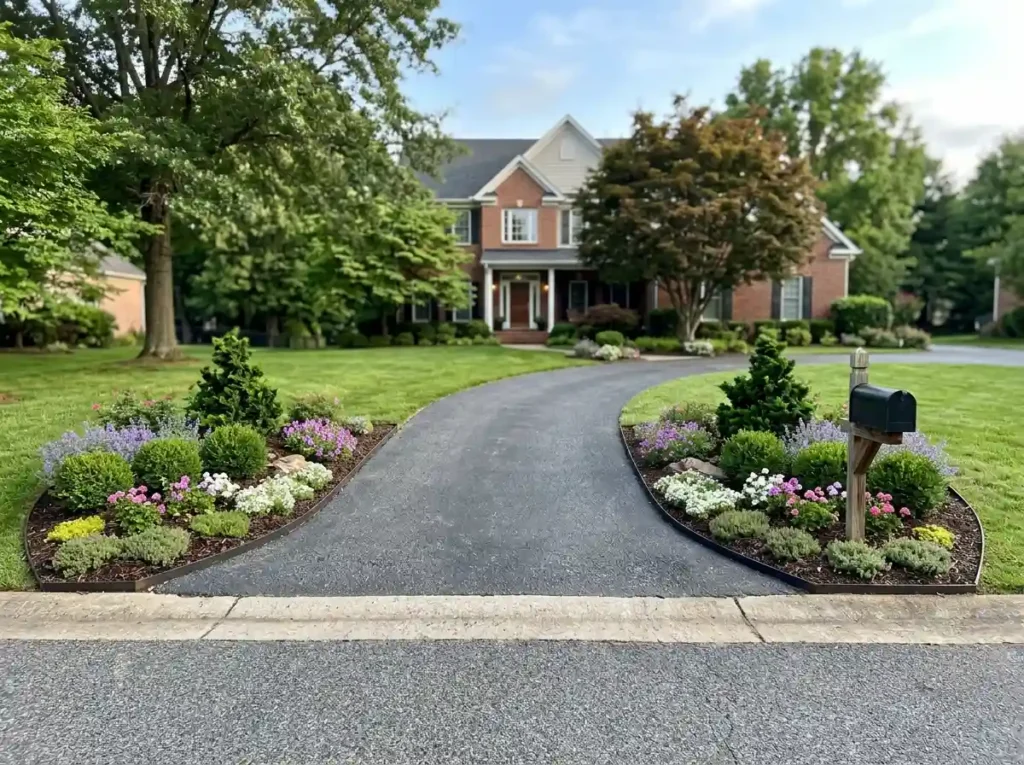
Two planting beds can make your driveway feel planned and balanced.
The beds do not need to be exact copies. One side may be wider because of a mailbox, slope, or utility box. You can still repeat the same mulch, edging, and main plants on both sides.
Use curved beds if your home has a soft or traditional style. Straight beds work well with modern homes and clean building lines.
Keep the plants near the road low. Place taller flowers or shrubs farther back. This protects your view while still giving the entrance height and color.
You can fill the beds with a simple mix:
- One compact evergreen
- A small group of flowers
- Low groundcover
- Mulch or decorative stone
Do not add too many plant types. Three main plants are often enough.
Best for: Suburban, formal, and medium-width driveways
Budget: Low to medium
Maintenance: Low to moderate
Space needed: Medium
Important note: Check the full-grown size of every shrub before planting.
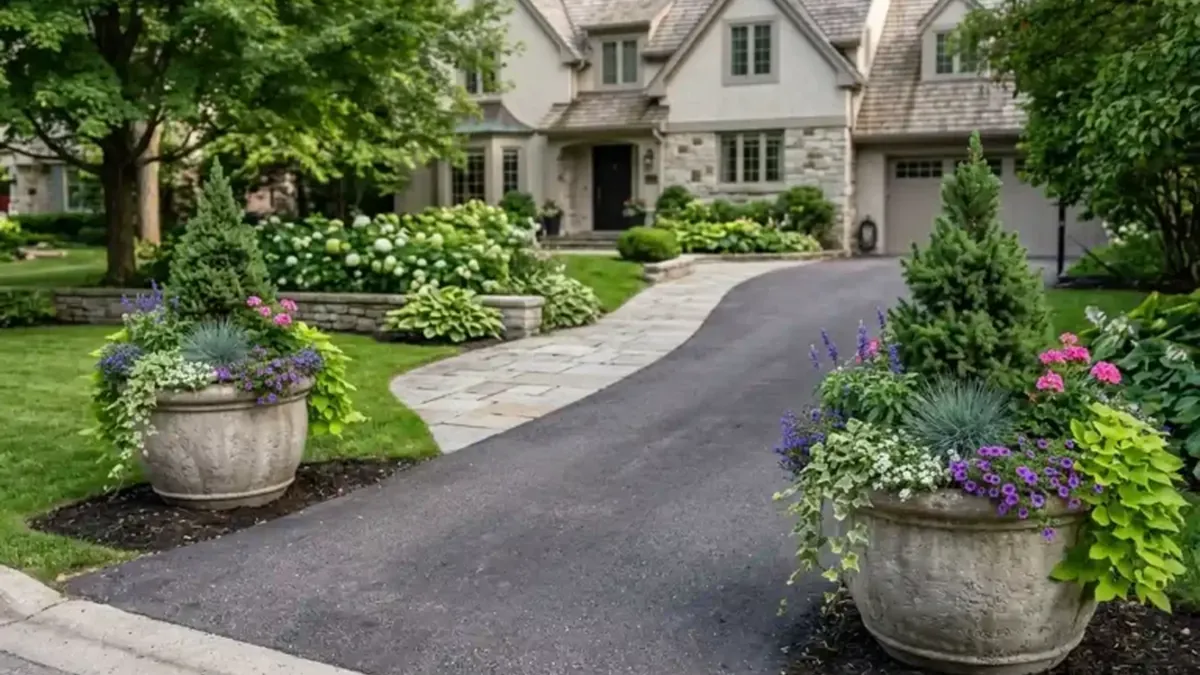
Add Large Entrance Planters
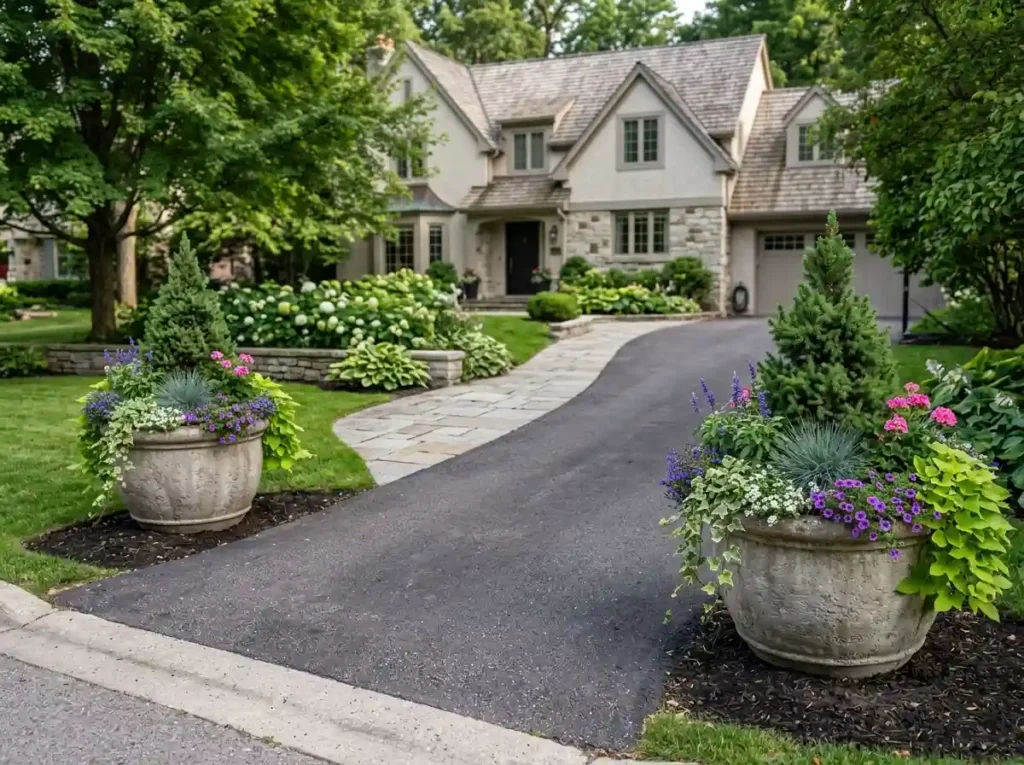
Large planters are a smart choice when you have little soil or do not want permanent beds.
Place one planter on each side of the driveway. Choose pots that are heavy enough to stay in place during strong winds. Concrete, stone-look resin, metal, and thick ceramic can work well.
The planter style should match your home. Dark square planters suit many modern homes. Rounded stone-look pots fit traditional or cottage-style properties.
Fill each planter with one main plant and a few smaller plants. You could use:
- A dwarf evergreen
- Compact ornamental grass
- Seasonal flowers
- Trailing groundcover
Leave enough open space around each planter. Drivers should not have to turn sharply to avoid it.
Containers dry out faster than garden beds. You may need to water them more often during hot weather.
Best for: Small driveways, paved entrances, and rental homes
Budget: Low to medium
Maintenance: Moderate
Space needed: Narrow
Important note: Place planters outside the normal path of tires and delivery vehicles.
Build a Small Mailbox Garden
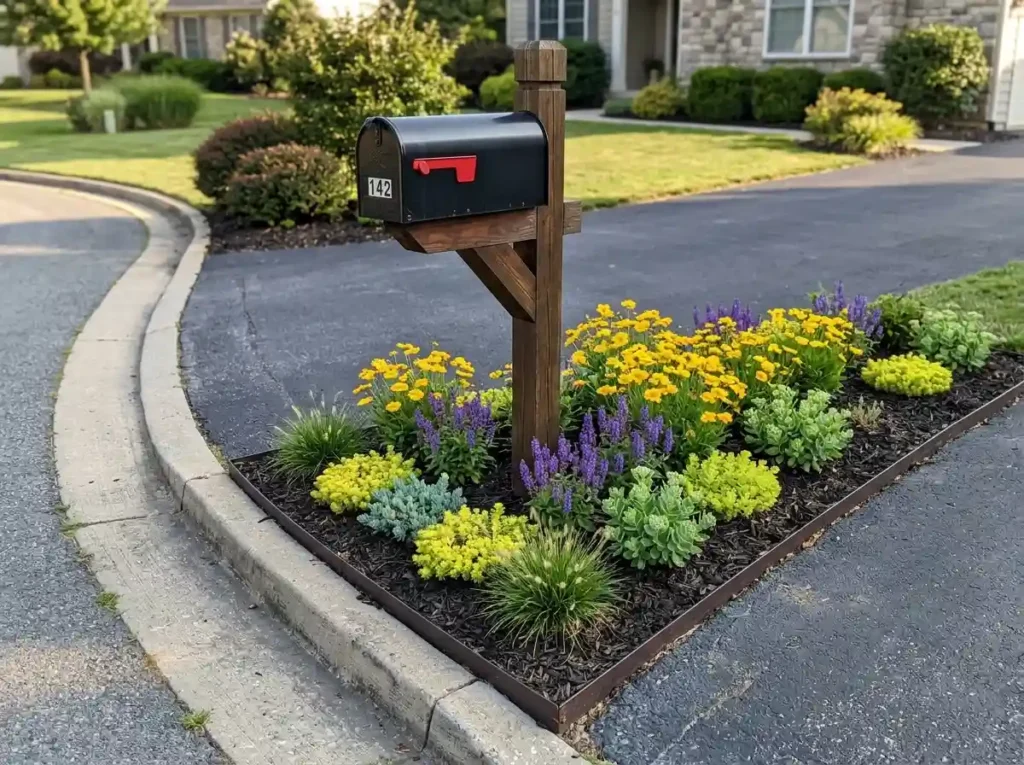
A bare mailbox can make the end of a driveway look forgotten. A small flower bed can turn it into a clear design feature.
Start with a simple bed around the base. Leave room for mail delivery, repairs, and door access. The mail carrier should not have to step over plants.
Roadside spaces can be hot and dry. They may also face dust, salt, and water runoff. Choose strong plants that fit your local weather.
Possible options include:
- Sedum
- Coreopsis
- Catmint
- Dwarf salvia
- Compact grasses
- Local native flowers
Avoid thorny plants. Do not use spreading vines that may cover the box or post.
Use the same mulch or edging found in other parts of your front yard. This helps the small bed feel connected to the rest of the landscape.
Best for: Homes with roadside mailboxes
Budget: Low
Maintenance: Low to moderate
Space needed: Narrow
Important note: Keep house numbers and the mailbox door easy to see and reach.
Define the Entrance With Clean Edging
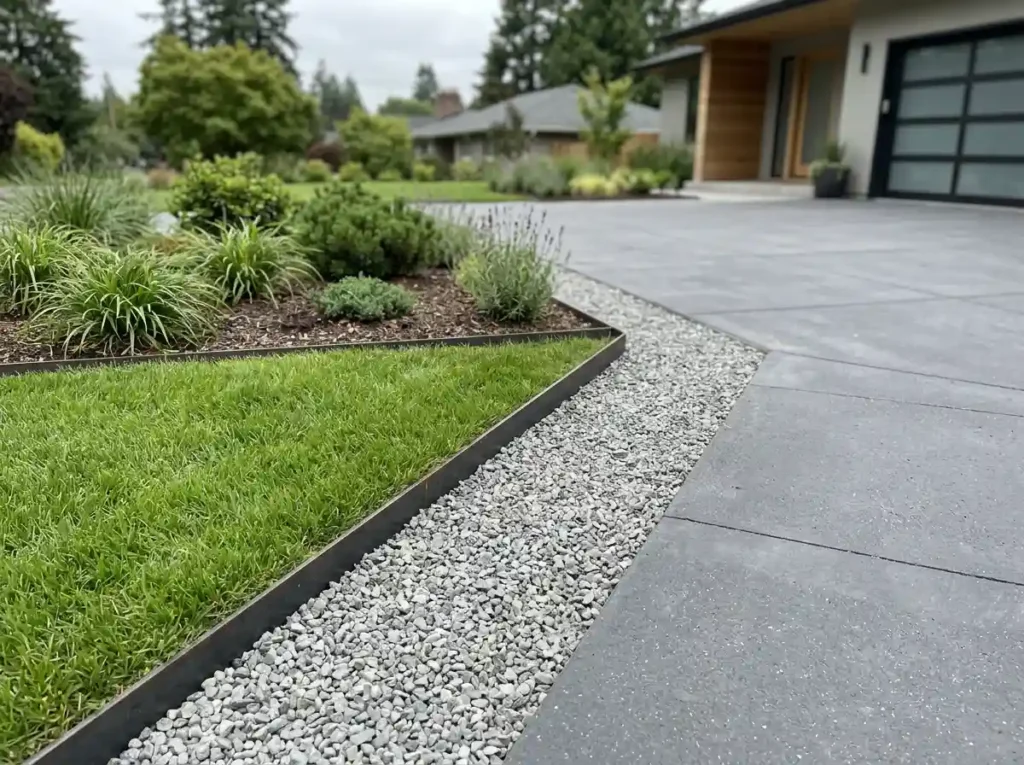
Clean edging is one of the fastest ways to improve a messy entrance.
Edging creates a clear line between grass, mulch, gravel, and planting beds. It also helps stop soil from washing onto the driveway.
Choose a material that suits your home:
- Steel for a clean modern look
- Brick for a warm traditional style
- Natural stone for a rustic yard
- Concrete for a simple and strong border
- Plastic for a low-cost project
The edge should sit close to ground level. A high border may catch tires or create a trip risk.
You can also use edging to fix an awkward bed shape. Straight lines make a space feel neat. Soft curves can make a wide entrance feel more relaxed.
Best for: Quick updates and low-cost projects
Budget: Low
Maintenance: Low
Space needed: Any size
Important note: Secure the edging well so it does not move into the driveway.
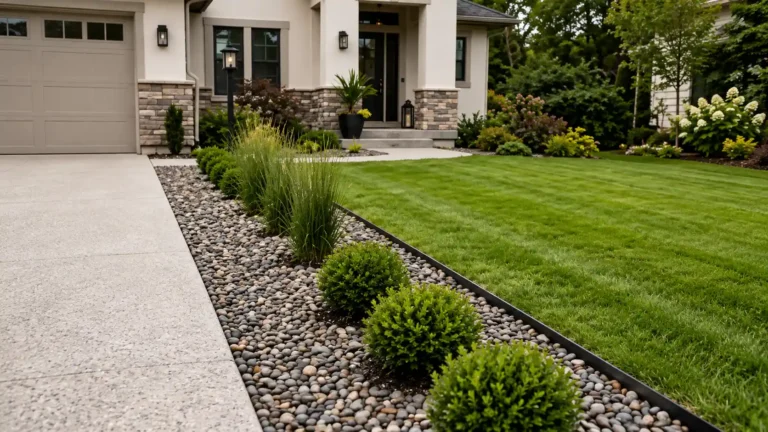
Add a Gravel or River-Rock Strip
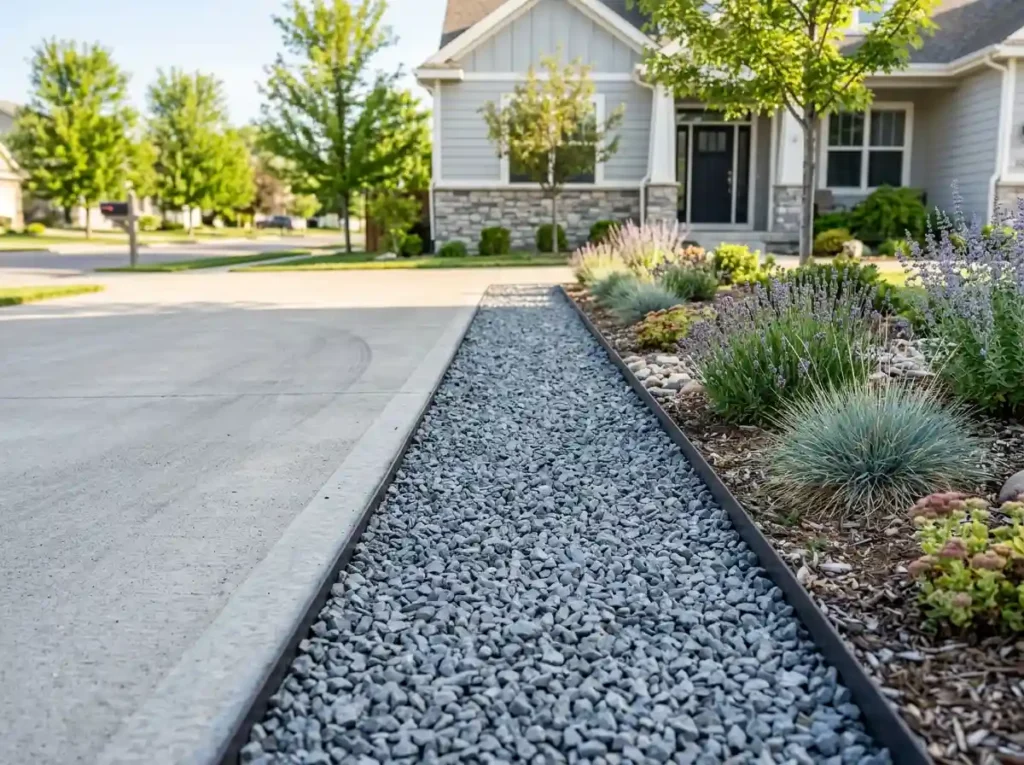
Grass often struggles beside a driveway. Heat from the pavement dries the soil, while tires may damage the edges.
A gravel or river-rock strip can cover these bare areas and reduce mowing work.
Choose stones that match the colors of your house and driveway. Gray gravel works well with concrete. Warm brown stone may look better beside brick or natural wood.
Add a few drought-tolerant plants to stop the area from feeling empty. Place plants in small groups rather than spacing single plants across the whole strip.
Keep loose stone away from the driving surface. Tires can throw small rocks onto the road or lawn. A solid edge can help hold the material in place.
Rock also holds heat. This can dry the soil and stress some plants. Pick plants that can handle hot conditions.
Best for: Dry areas and low-maintenance entrances
Budget: Low to medium
Maintenance: Low
Space needed: Narrow to wide
Important note: Do not use loose rock where water moves quickly or tires often cross the edge.
5 Plant-Based Driveway Entrance Ideas
Plants soften concrete, asphalt, gravel, and stone. They can also make the entrance feel more connected to the front yard.
The small plant you see at a garden center may become much wider in a few years. Always check its full-grown height and width.
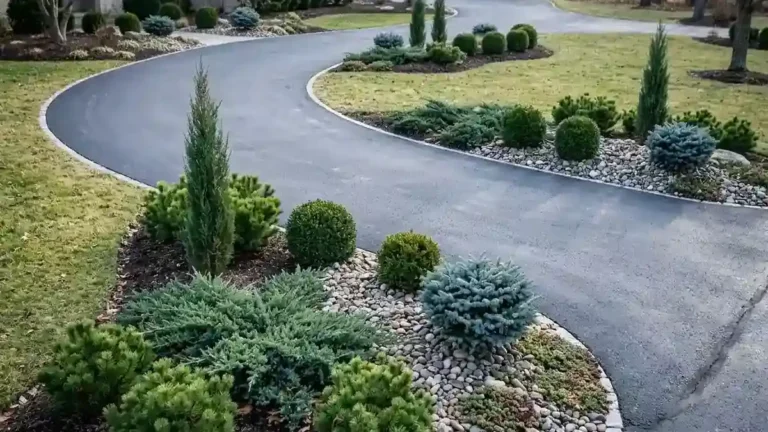
Frame the Entrance With Low Evergreens
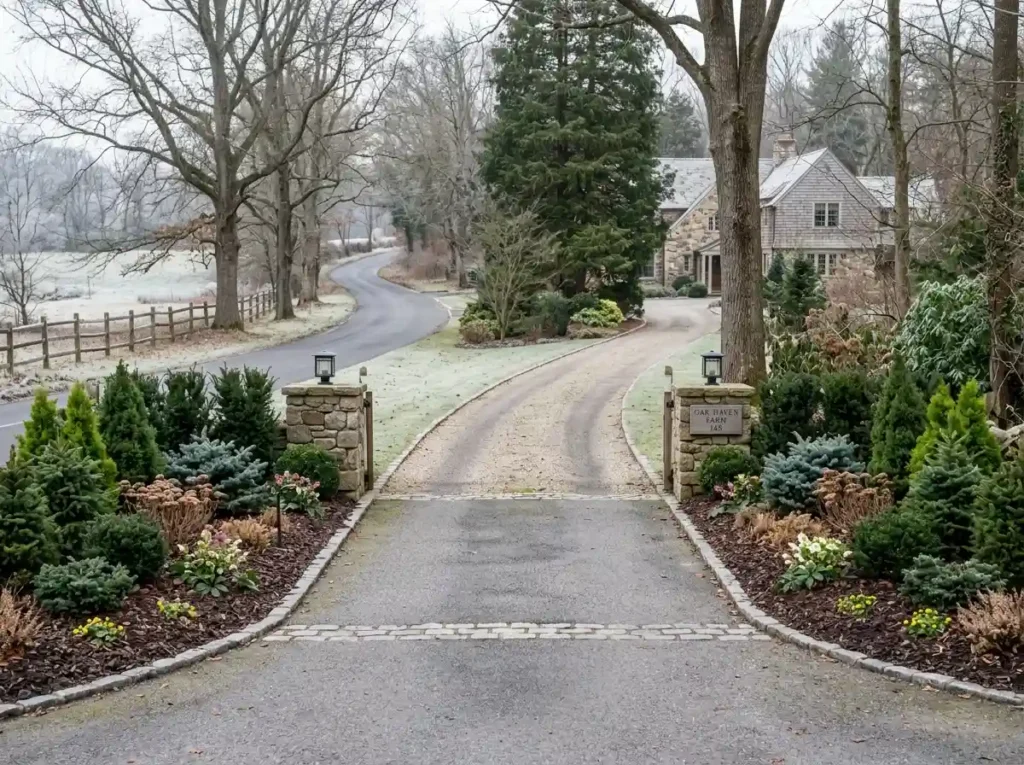
Low evergreen shrubs give the entrance shape during every season.
They are useful when flowers die back in winter or when you want a neat look with less work. Place one or more shrubs on each side of the driveway.
Choose compact plants that stay below your line of sight. Options depend on your climate, but you may find small junipers, inkberry, dwarf conifers, or compact boxwood alternatives.
Space each plant based on its future width. Crowded shrubs may need constant trimming. They can also trap moisture and lose their natural shape.
Add a few seasonal flowers around the evergreens for color. The shrubs will act as the base of the design.
Best for: Year-round color and neat entrances
Budget: Medium
Maintenance: Low to moderate
Space needed: Narrow to medium
Important note: Do not plant tall or dense shrubs close to the road.
Build a Layered Shrub Border
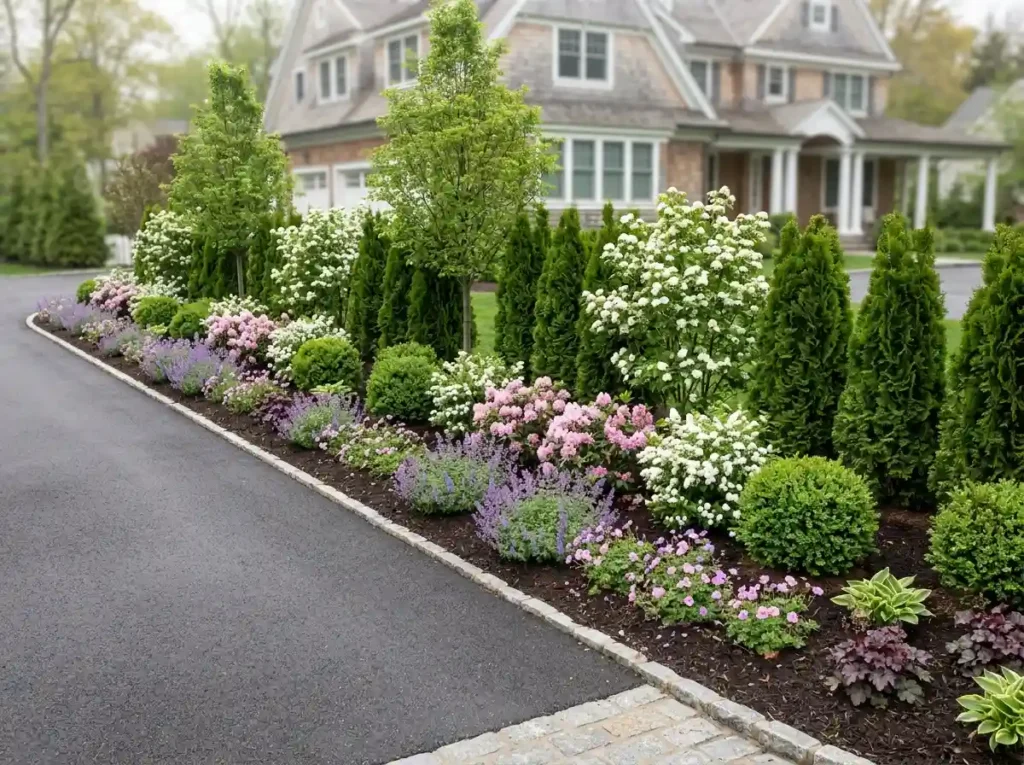
A layered border gives you color, shape, and texture without looking crowded.
Place taller shrubs at the back. Add medium plants in front of them. Finish with low flowers or groundcover near the edge.
Repeat the same plants in small groups. This looks calmer than using a different plant in every open spot.
A simple border may include:
- One evergreen shrub type
- One flowering shrub type
- One low flower or groundcover
Leave open space between the plants and pavement. Branches should not scrape cars or hang over the driveway.
A layered border works best when the entrance is wide enough to support several plant heights. It may feel too busy in a very narrow space.
Best for: Medium and wide driveway entrances
Budget: Medium
Maintenance: Moderate
Space needed: Medium to wide
Important note: Keep the tallest layer farthest from the road.
Use Ornamental Grasses for Soft Movement
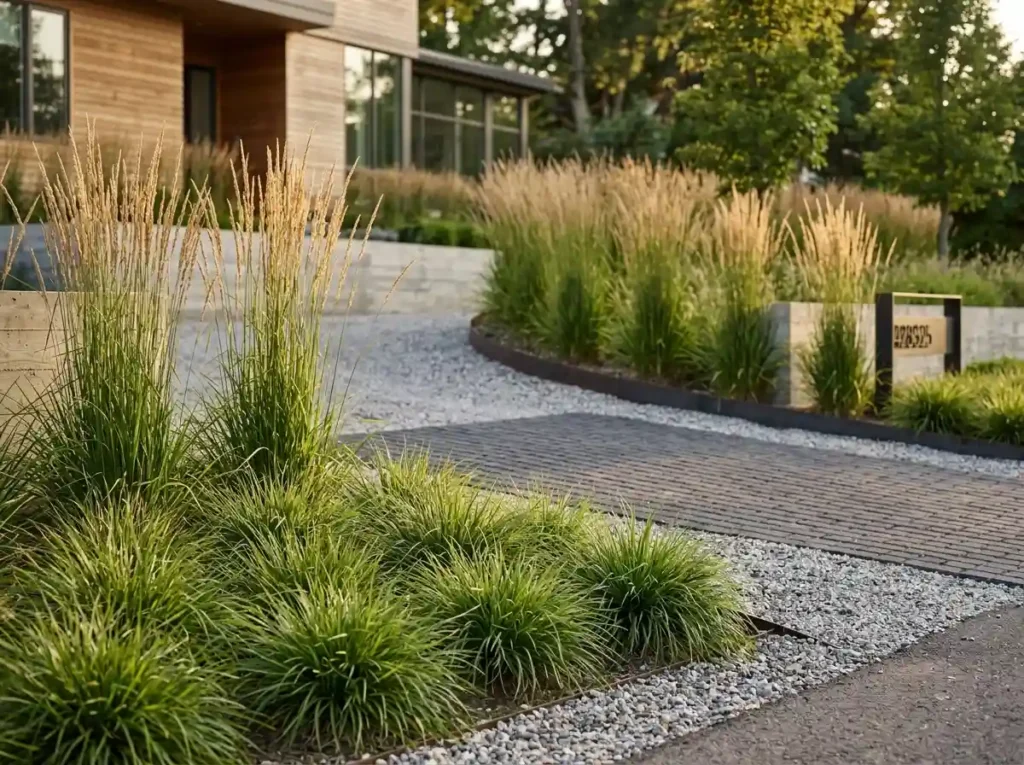
Ornamental grasses add height without creating a solid wall.
Their leaves move in the wind and soften hard surfaces. They work well beside modern homes, gravel driveways, and natural landscapes.
Choose clumping grasses. Spreading grasses may escape the bed and become hard to control.
Compact grasses are safer near narrow driveways. Taller types need more space and should sit farther from the road.
Most grasses need a yearly trim. Some may also drop dry leaves or seed heads. Think about cleanup before planting them beside a busy entrance.
Dry grasses can be a fire concern in some regions. Check local advice if your area often faces hot and dry weather.
Best for: Modern, rural, and natural-style homes
Budget: Low to medium
Maintenance: Low to moderate
Space needed: Narrow to wide
Important note: Choose non-invasive grasses that fit your local climate.
Plant a Native Flower Border
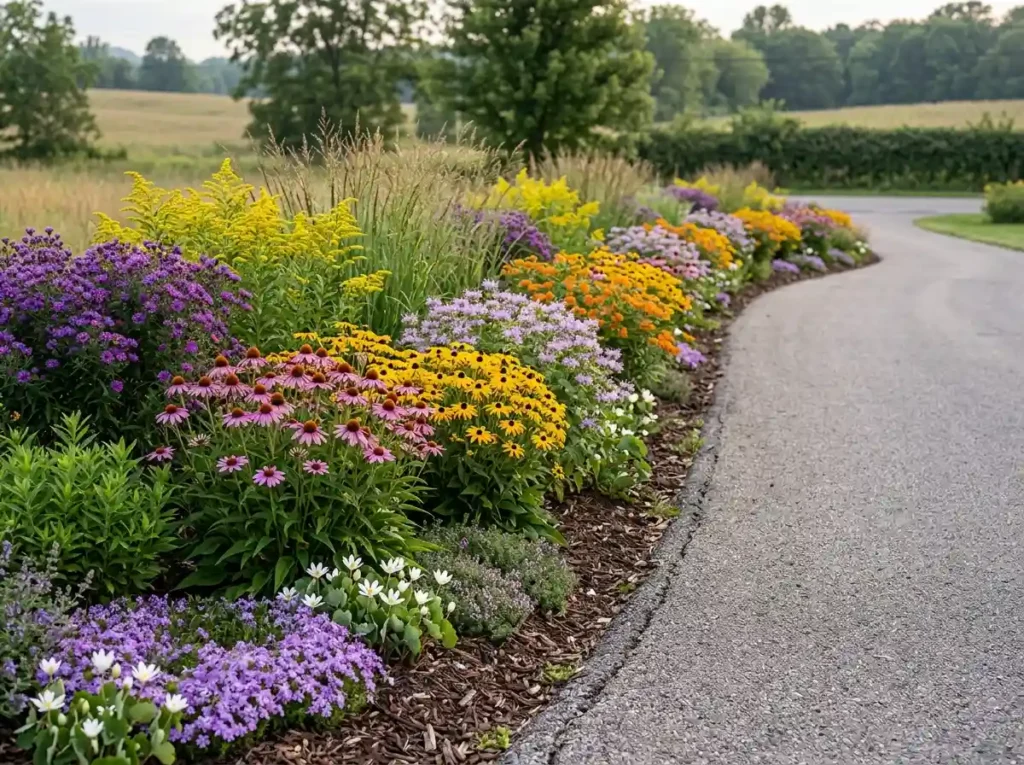
Native plants are suited to the weather and soil of a certain region. Once settled, many need less care than plants from very different climates.
Choose flowers that bloom at different times. This keeps the entrance colorful for more of the year.
A simple plan may include:
- Spring-blooming flowers
- Summer flowers
- Fall color or seed heads
- One low groundcover
Plant several of the same flower together. Groups create a stronger look and are easier to notice from the road.
Native does not always mean maintenance-free. Some plants spread quickly. Others grow too tall for a driveway entrance. Check their full-grown size and growth habit.
A local nursery or plant database can help you find safe options.
Best for: Cottage, natural, and wildlife-friendly yards
Budget: Low to medium
Maintenance: Low after the plants settle
Space needed: Medium to wide
Important note: Use low species near the road and taller flowers farther back.
Add Two Small Ornamental Trees
A pair of small trees can give a wide driveway a strong sense of arrival.
Place one tree on each side, but keep them far enough from the road and pavement. Their roots and branches will spread as they grow.
Choose trees with a smaller mature size. Serviceberry, redbud, crape myrtle, and Japanese tree lilac may work in some regions. Local advice is important because climate and soil needs differ.
Check for power lines before planting. Think about the future canopy width. Branches should not cover address signs, lights, or the road view.
Avoid trees with large surface roots near paved areas. Falling fruit, thorns, and heavy leaf drop may also create extra work.
Best for: Wide and long driveway entrances
Budget: Medium to high
Maintenance: Moderate
Space needed: Wide
Important note: Keep trees far enough back to protect road views and pavement.
5 Hardscape Ideas That Give the Entrance More Structure
Hardscape means the solid parts of a landscape. This includes walls, fences, pillars, gates, stone, brick, and pavers.
These features can make an entrance feel permanent. They can also cost more, so careful planning matters.
Install Stone or Brick Entrance Pillars
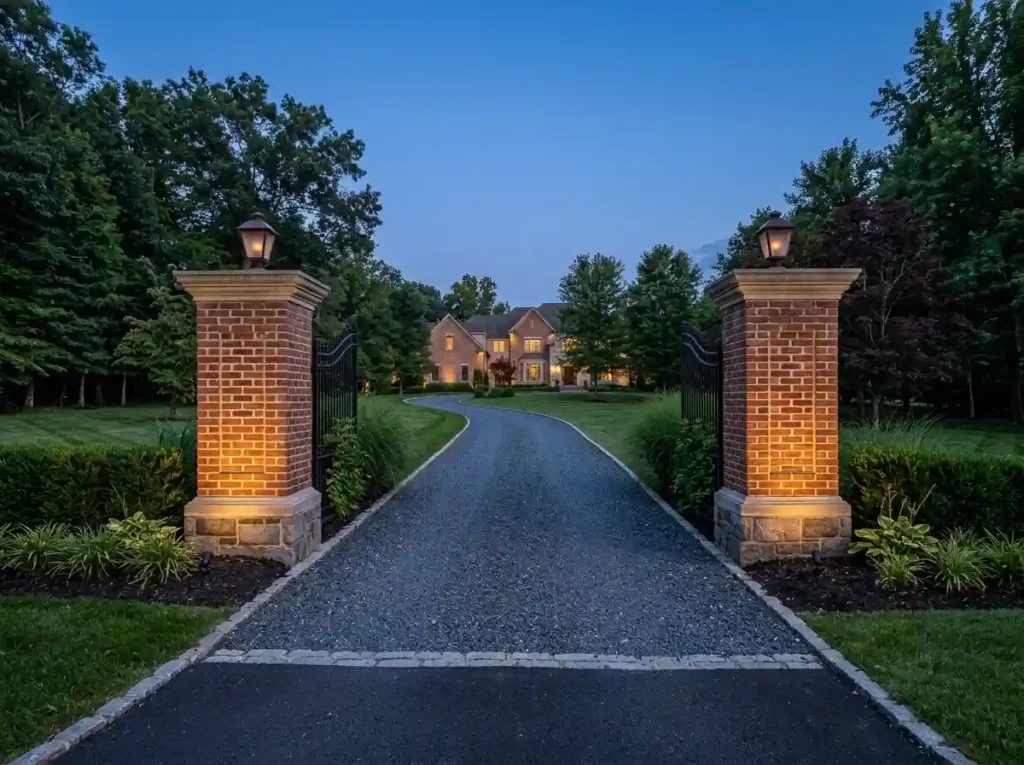
Pillars clearly mark where the driveway begins.
They work well on wide, formal, rural, and gated properties. You can add lights, house numbers, or a small sign to the front.
Match the pillar material to your home. Brick pillars often suit brick houses. Natural stone can connect with stone walls or home details.
Size matters. Very large pillars may overpower a narrow driveway. Small posts may look lost beside a wide entrance.
Keep pillars outside the normal turning area. Leave extra space for delivery trucks, trailers, and visitors who may enter at a wider angle.
A contractor may be needed for a strong foundation. Local rules may also limit placement near the road.
Best for: Formal, gated, and wide driveways
Budget: High
Maintenance: Low
Space needed: Medium to wide
Important note: Check local setback rules before construction.
Build Low Entrance Walls
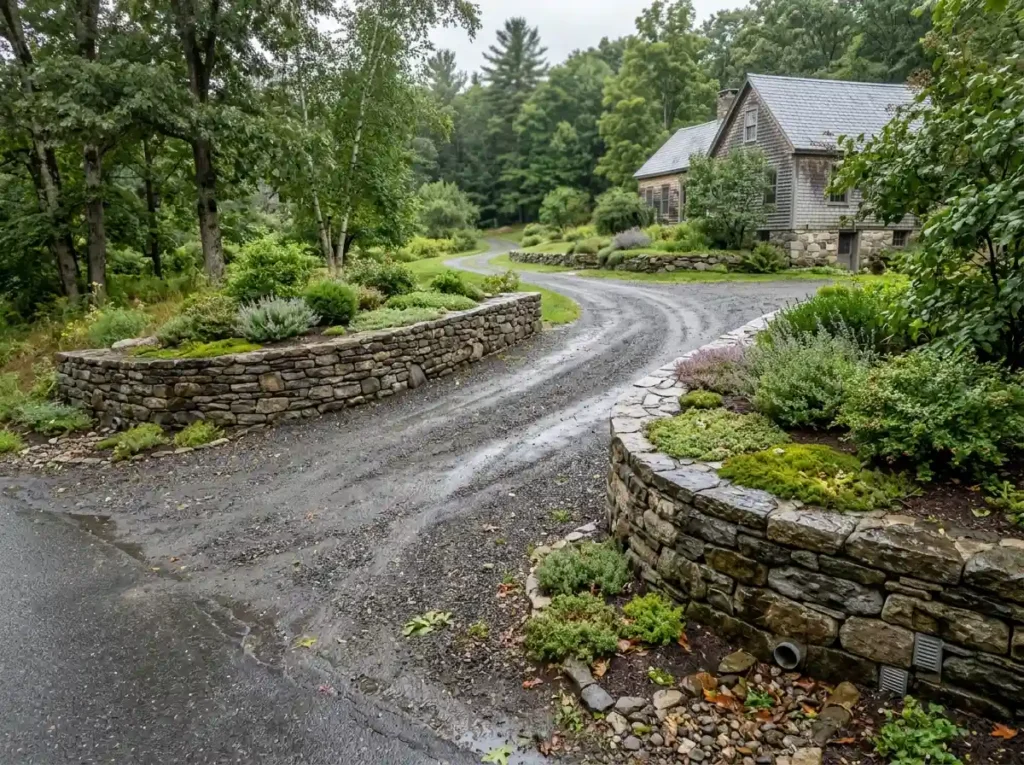
Low walls can hold back soil, frame planting beds, and give a sloped entrance more shape.
Use natural stone for a relaxed look. Brick can match a traditional home. Concrete blocks are often easier to install and may cost less.
Keep the wall low near the road. A tall wall can block your view and make the entrance feel narrow.
Water must be able to escape from behind a retaining wall. Without proper drainage, wet soil can push against the structure.
Add low plants behind or beside the wall. This softens the hard edge and helps the wall blend into the yard.
A wall that holds a large amount of soil may need professional design. A small decorative border is often easier for a homeowner to handle.
Best for: Sloped, raised, and formal entrances
Budget: Medium to high
Maintenance: Low
Space needed: Medium to wide
Important note: Strong retaining walls need a stable base and drainage.
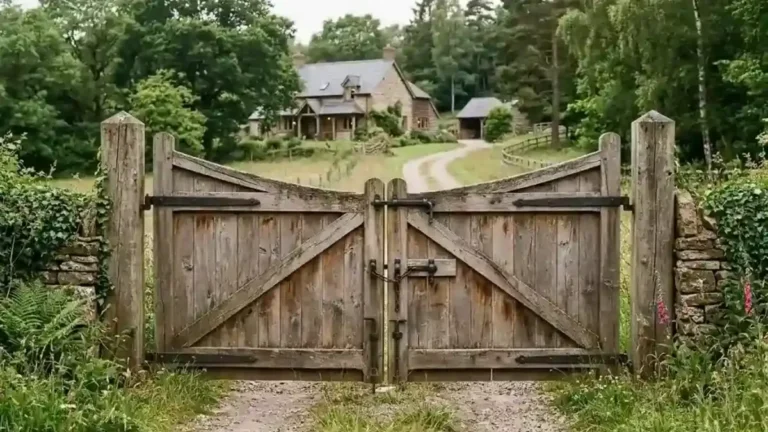
Add a Simple Gate or Garden Arbor
A gate can add privacy and mark the entrance. An open arbor can create a similar look without blocking access.
First, decide what the feature needs to do.
A decorative gate may stay open. A security gate needs strong posts, safe controls, and enough room for vehicles. An arbor may simply frame the driveway.
A working gate should sit far enough inside the property. A car must be able to wait without stopping in the road.
Choose wood for a warm rural look. Metal suits many formal and modern properties. Repeat the gate material in a nearby fence, railing, or home detail.
Plants can soften the structure, but avoid thick vines around moving parts. They may block sensors or damage the finish.
Best for: Rural, fenced, and private properties
Budget: Medium to high
Maintenance: Moderate
Space needed: Wide
Important note: Never place a gate where drivers must wait in traffic.
Use Short Fence Sections to Frame the Entry
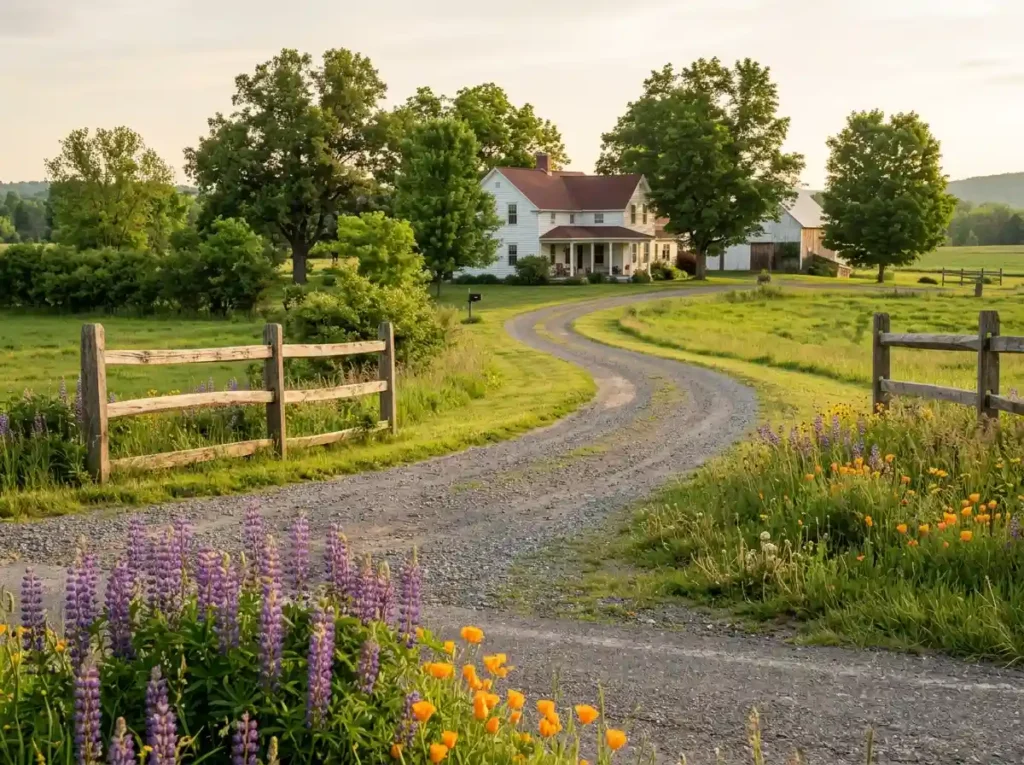
You do not need to fence the full front yard to create a clear entrance.
Short fence sections on both sides can frame the driveway and guide the eye. They also cost less than a full fence.
A split-rail fence works well with rural and farmhouse homes. A short metal fence can suit formal houses. Simple wood panels may fit cottage-style yards.
Keep the fence open near the road. Solid panels may block drivers and pedestrians from seeing each other.
Add low flowers or shrubs along the fence. Leave enough room to paint, repair, or clean it.
Repeat the fence color somewhere else. You could use the same shade on the mailbox, front door, or gate.
Best for: Farmhouse, cottage, and country homes
Budget: Medium
Maintenance: Moderate
Space needed: Medium to wide
Important note: Keep fence ends away from vehicle turning space.
Upgrade the Driveway Apron With Pavers
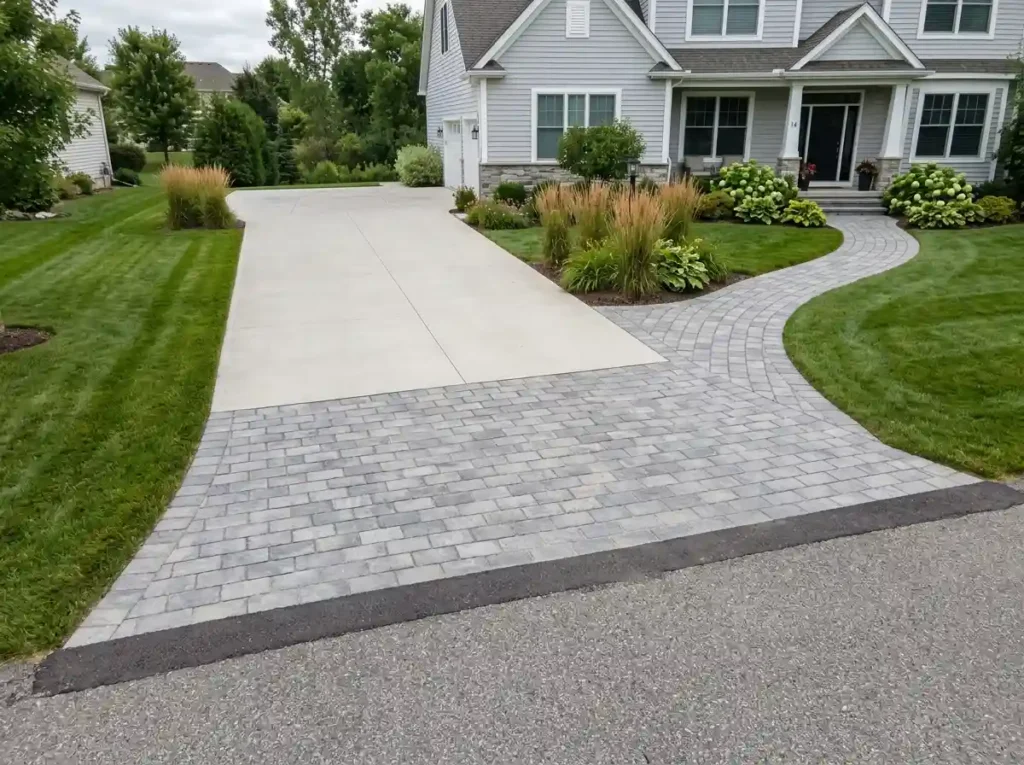
The driveway apron is the area where the driveway meets the road.
A band of pavers can make this spot look more finished. It can also create a clear break between the driveway and street.
Use pavers that can handle vehicle weight. Thin decorative pieces may crack or move under tires.
Brick pavers can add warmth. Gray concrete pavers suit many modern homes. Natural stone gives a rich look but may cost more.
The new surface must stay level with the driveway. A raised edge can create a bump and may affect water flow.
You can repeat the same pavers on the front walkway. This ties the driveway entrance to the house.
Professional installation may be worth the cost for a large apron. A strong base helps prevent sinking and movement.
Best for: Plain asphalt and concrete driveways
Budget: Medium to high
Maintenance: Low to moderate
Space needed: Any width
Important note: Use load-rated, slip-resistant materials.
4 Functional Driveway Entrance Landscaping Ideas
The best driveway entrance landscaping ideas should solve a real problem. They may control water, improve visibility, reduce care, or help visitors find your home.
Create a Boulder and Rock Garden
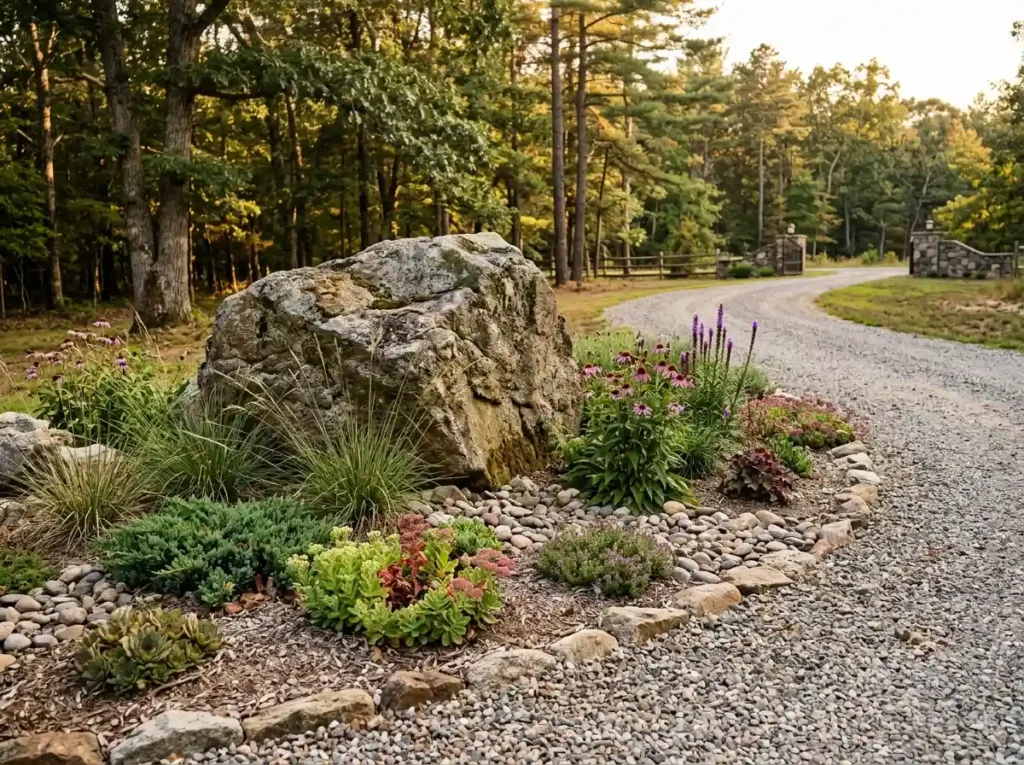
Large rocks can add shape to a dry or natural landscape.
Use one main boulder or a small group of three. Too many scattered rocks may make the entrance look cluttered.
Partly bury each boulder. This makes it look settled into the ground instead of dropped on top.
Add a few strong plants around the rocks. Compact grasses, low evergreens, succulents, or native flowers may work.
Place boulders far from the road and turning area. A large rock can damage a vehicle and may create a safety risk if placed too close to traffic.
Think about mowing and snow removal. Leave enough room for equipment to move around the area.
Best for: Rural, dry, mountain, and natural settings
Budget: Medium
Maintenance: Low
Space needed: Medium to wide
Important note: Keep large rocks outside any area a vehicle may cross.
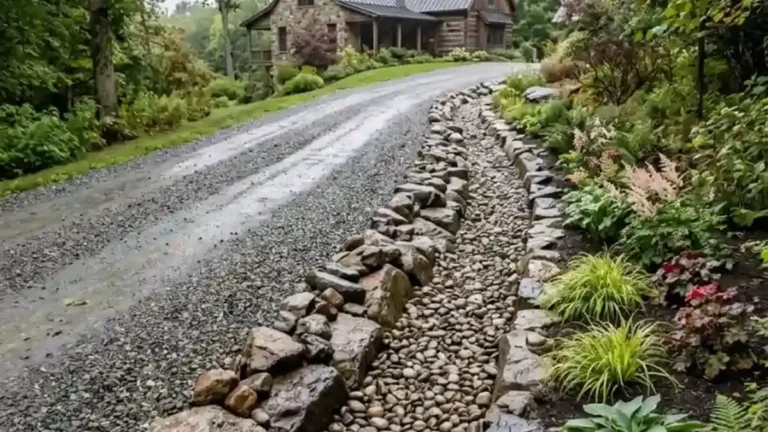
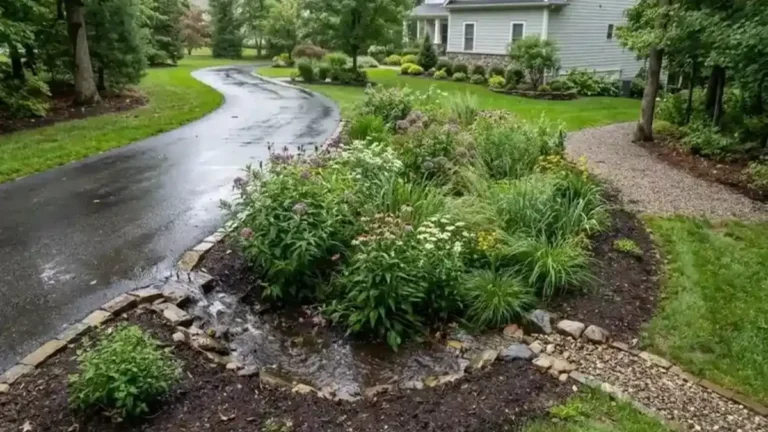
Add a Rain Garden or Drainage Swale
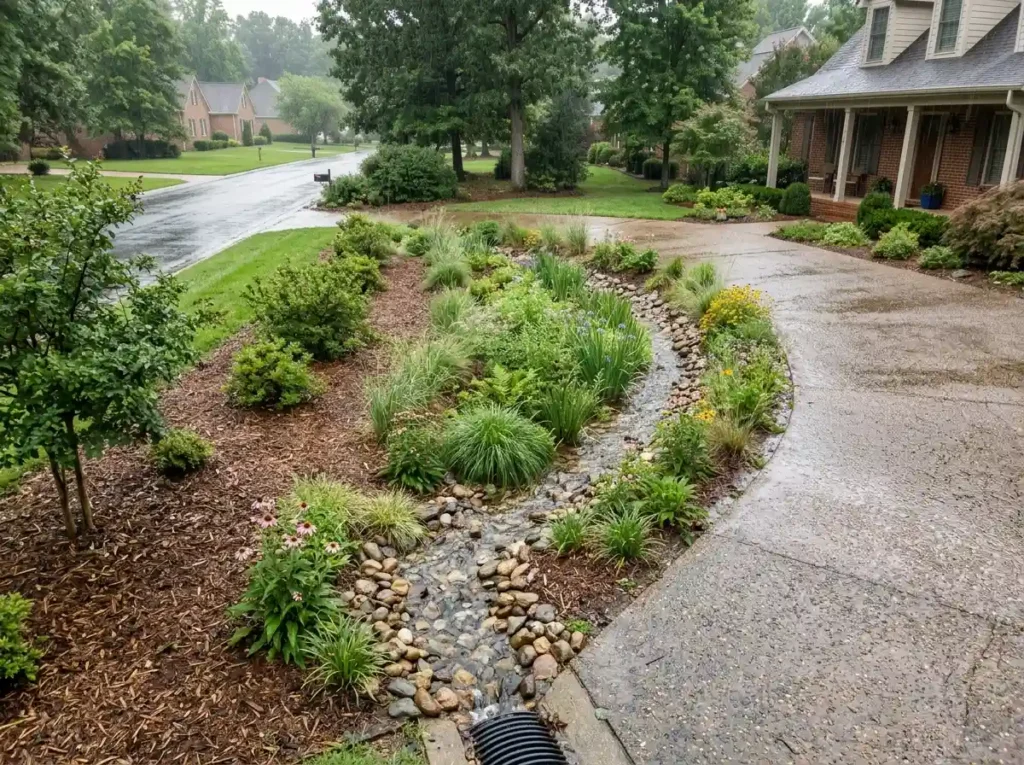
Standing water can damage plants, soften soil, and wash dirt onto the driveway.
A shallow planted area may help slow and collect runoff. A drainage swale is a wide, shallow channel that guides water through the yard.
Do not create a deep ditch beside the entrance. Deep cuts can be unsafe and hard to maintain.
Choose plants that can handle both wet and dry periods. The center of the area may stay wet longer. The outer edge may dry faster.
Water should move away from the driveway and house. Do not send it onto a nearby property or public road.
Small water problems may be fixed with grading and plants. Serious flooding or erosion needs professional help.
Best for: Wet, low, and sloped entrances
Budget: Medium
Maintenance: Moderate
Space needed: Medium to wide
Important note: Check local water and drainage rules before changing the flow.
Install a Clear Address Marker
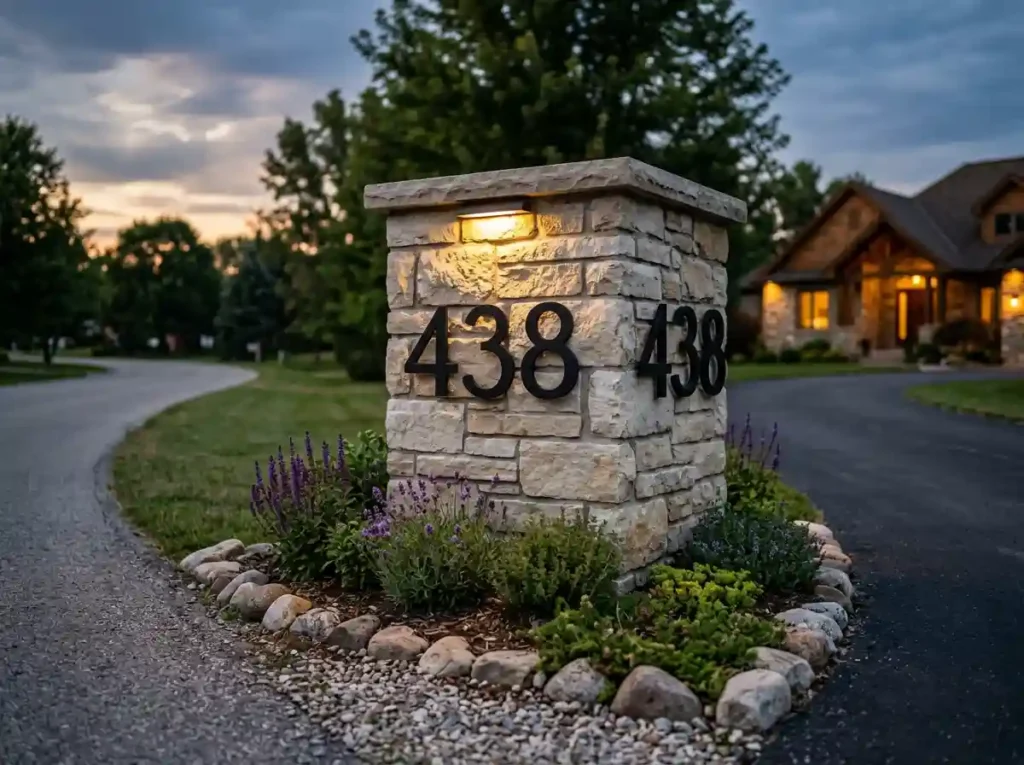
A clear address sign helps guests, delivery drivers, and emergency workers find your home.
Place the numbers where drivers can see them from both directions. Use large characters with strong color contrast.
Dark numbers work well on a pale stone or light post. White or reflective numbers are easier to see on a dark background.
Keep plants below the sign. Trim them before they cover the numbers.
You can place the marker inside a small bed with low flowers or groundcover. A simple light can make it easier to read at night.
Do not add too many words or details. The house number should be the main feature.
Best for: Long, rural, hidden, and shared driveways
Budget: Low to medium
Maintenance: Low
Space needed: Narrow
Important note: Make sure the sign is visible during every season.
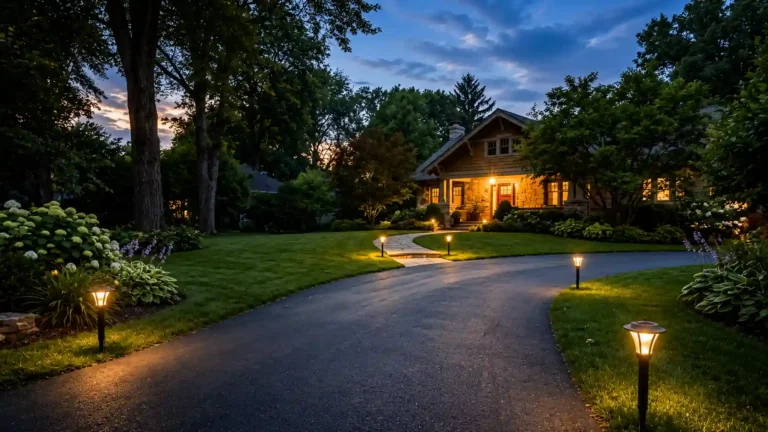
Add Low-Voltage Entrance Lighting
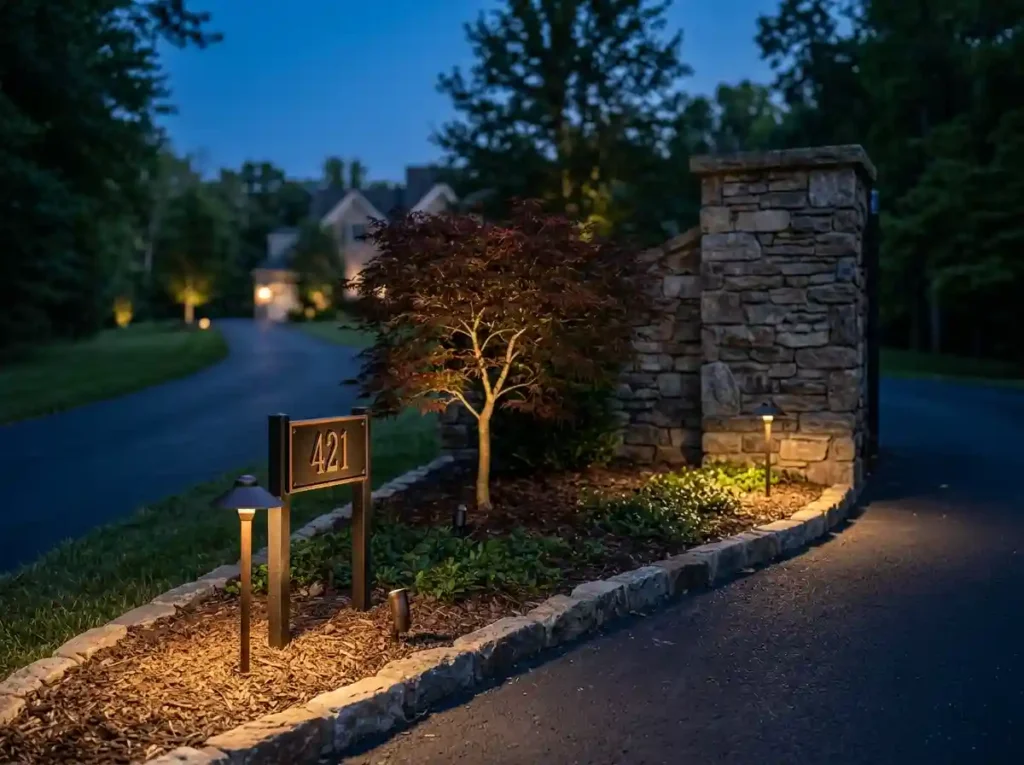
Good lighting helps drivers see the driveway edge, address sign, gate, and nearby plants.
Use a few well-placed lights. Too many fixtures can make the entrance look like an airport runway.
Downward-facing lights reduce glare. They also keep bright light away from nearby homes and drivers.
You can light:
- A pillar
- An address marker
- A small tree
- A gate
- The edge of a planting bed
Solar lights are easy to install, but their strength may change with sunlight and weather. Wired low-voltage lights are often more reliable. They may need professional installation.
Hide wires and place fixtures where mowers and tires will not damage them.
Best for: Night safety and driveway curb appeal
Budget: Low to high
Maintenance: Low to moderate
Space needed: Any size
Important note: Aim lights away from the road and nearby windows.
How to Choose the Best Design for Your Property
Which idea will work with your space, budget, and home?
Start with the main problem. Do you need more color, clearer edges, better drainage, or a visible address? Fix that problem before adding extra decoration.
For a narrow entrance, use low plants, planters, clean edging, or a simple sign. Large trees and walls may make the space feel tight.
A wide entrance can support layered beds, small trees, pillars, short walls, and fence sections.
For a small budget, start with mulch, edging, divided plants, solar lights, or a mailbox bed. These changes can still make a clear difference.
Choose evergreens, native plants, rock, or compact grasses if you want less care. Remember that every landscape needs some upkeep.
Rural properties often suit boulders, split-rail fences, gates, grasses, and clear address markers.
Modern homes often look best with straight lines, dark planters, steel edging, structured grasses, and simple lighting.
Sloped entrances may need groundcover, a low wall, or better drainage. Fix erosion before spending money on flowers.
A simple design formula can help:
- Pick one main structure, such as edging or a low wall.
- Choose one main plant group.
- Add one finishing feature, such as a sign or light.
This keeps the entrance clear and connected.
10 Driveway Entrance Mistakes That Can Cause Problems
A new landscape should make your property safer and easier to use. Avoid these common mistakes.
1. Blocking the View of the Road
Tall shrubs, fences, and signs can hide cars, bikes, and people. Keep the roadside area low and open.
2. Ignoring Full-Grown Plant Size
A small shrub may become wide and dense. Read the plant label before buying it.
3. Planting Too Close to the Pavement
Branches may scrape cars. Roots may lift edging or damage the surface.
4. Using Loose Stone in Tire Paths
Tires can throw small rocks across the road or lawn. Use a strong edge to hold gravel in place.
5. Placing Pillars Too Close Together
A tight entrance is hard for trucks, trailers, and visitors. Measure before building.
6. Forgetting About Rainwater
Water may wash mulch and soil onto the driveway. Check the slope before planting.
7. Mixing Too Many Materials
Brick, white stone, red mulch, black metal, and several plant colors may fight for attention. Choose a small set of materials.
8. Picking High-Care Plants
Large hedges and thirsty flowers may need more work than expected. Be honest about the time you can give them.
9. Blocking Work Areas
Leave space for mail delivery, waste bins, snow clearing, mowing, and utility repairs.
10. Adding Harsh Lighting
Bright lights can shine into drivers’ eyes. Use soft, downward-facing fixtures.
Before you buy anything, check these six items:
- Full-grown plant size
- Vehicle turning room
- Road visibility
- Drainage direction
- Utility lines
- Local roadside rules
Create an Entrance That Looks Good and Works Well
Your driveway entrance should match your home, protect your road view, and leave enough space for vehicles. It should also fit your budget and the amount of care you can give it.
Start with the biggest problem. Clean up messy edges. Fix standing water. Trim plants that block the road. Then choose one feature that adds color or structure.
A pair of planting beds, a clear address marker, or a simple row of low lights can make a strong first impression.
Use these driveway entrance landscaping ideas to create an entrance that feels welcoming and stays practical throughout the year.