17 Sloped Side Yard Landscaping Ideas That Work
A sloped side yard can cause more trouble than you may expect. Rainwater may rush downhill and wash away soil. Stepping stones may move. Grass can be hard to cut. A steep path can also become slippery after rain.
The space may feel too narrow for a garden or seating area. You may also need to leave room for bins, gates, utility meters, and air-conditioning units.
The good news is that you do not need to level the whole area. The best sloped side yard landscaping ideas work with the land instead of fighting it.
You can add terraces to hold soil. You can build steps for safer access. Plants can reduce bare soil and make the area easier to care for. Drainage features can also guide water away from the house.
The right choice depends on your slope, soil, sunlight, budget, and available width. Start with the main problem. Then choose a design that fixes it without blocking the path.
Check These 5 Things Before You Change the Slope
Do not start by buying plants or decorative rocks. First, check how the yard works.
1. Measure the slope
Measure the vertical rise and the horizontal distance.
Use this simple formula:
Slope percentage = vertical rise ÷ horizontal distance × 100
For example, your yard may rise 3 feet over a distance of 10 feet. This gives you a 30% slope.
You do not need perfect numbers for a basic plan. You only need a clear idea of how steep the area is.
2. Watch the water after rain
Look for water trails, puddles, washed-out soil, and wet areas near the house.
Water should not collect beside the foundation. It should also not be sent into a neighbor’s property.
3. Mark important access points
Find all gates, drains, meters, pipes, vents, and outdoor units.
Leave enough room for repairs and regular service.
4. Check the sunlight
A side yard may receive full sun, deep shade, or a mix of both.
Check it in the morning and afternoon before choosing plants.
5. Check local building rules
A small garden edge may be a simple DIY project. A tall retaining wall is different.
Local rules may require a permit or a professional design. This is more likely when the wall supports heavy soil near a house, fence, or property line.
Use Low Retaining Walls to Stop Soil From Moving
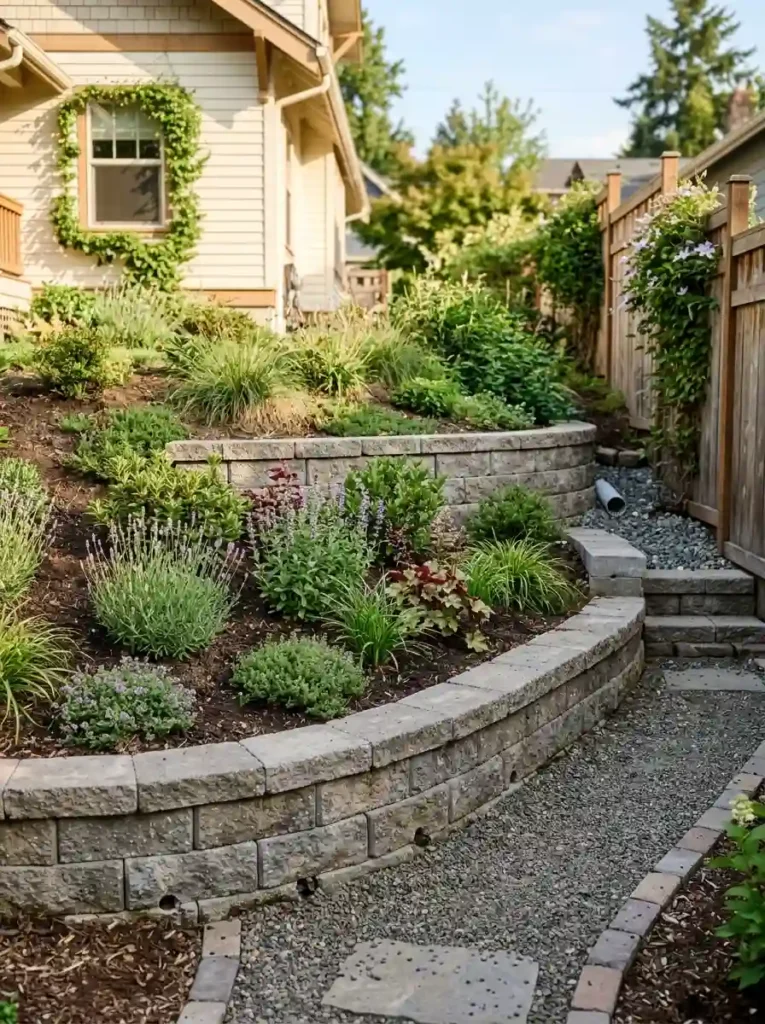
A retaining wall holds soil in place. It can also create a flat strip for plants or a walkway.
Low walls are often a better fit for side yards. They control the slope without making the space feel like a narrow tunnel.
You can use concrete blocks for a neat look. Natural stone works well in cottage and woodland gardens. Timber may cost less, but it often needs more care over time.
You may place one wall beside a path. You can also use two short walls with a planting bed between them.
Drainage behind the wall matters. Water that has no exit can build pressure and damage the structure.
Do not treat a large side yard retaining wall as a simple garden border. Ask a qualified contractor for help when the wall is tall, close to the house, or holding a heavy slope.
Best for: Soil control and level planting strips
Budget: Medium to high
Difficulty: Advanced
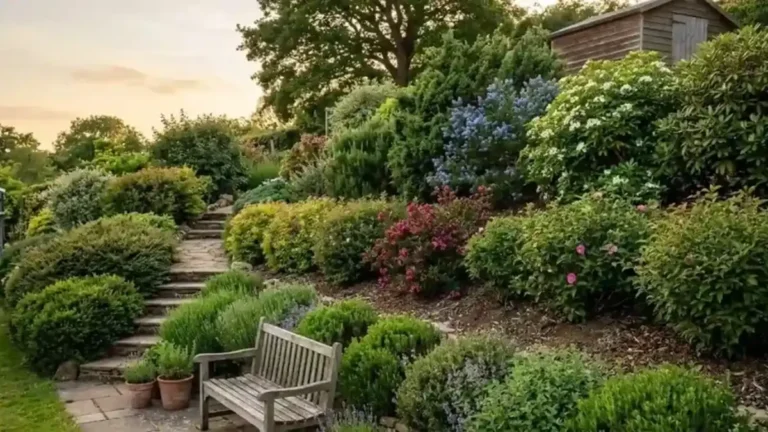
Add Stone or Timber Steps for Safer Access
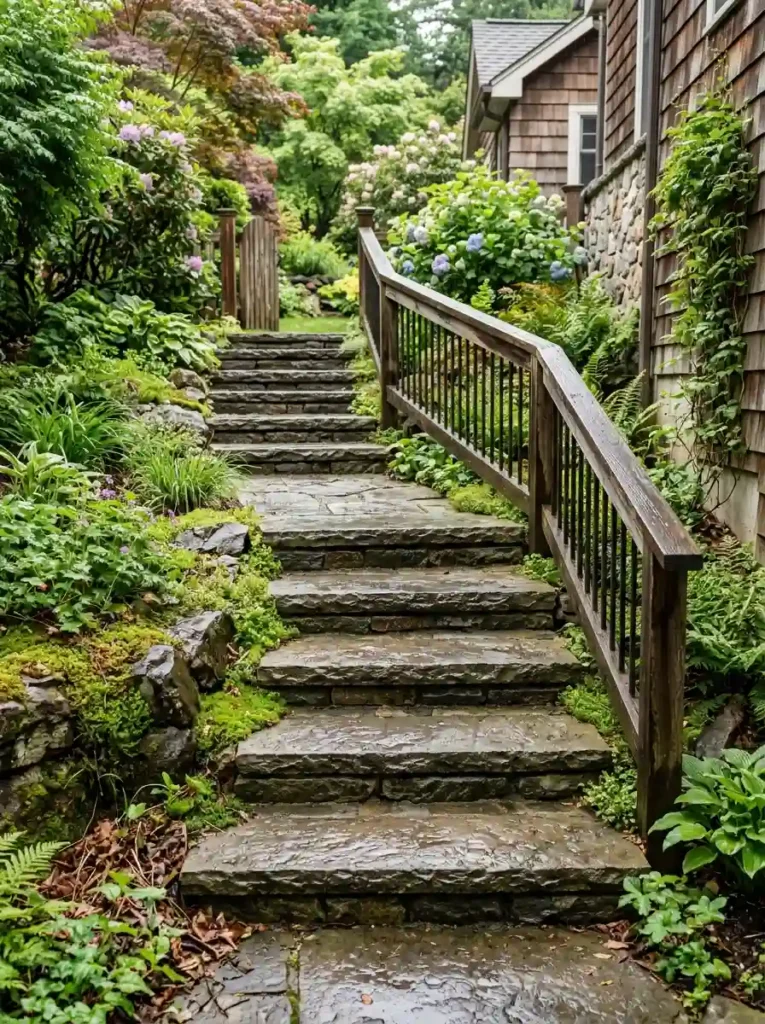
Do you use the side yard to move between the front and backyard? A steep dirt path can become unsafe after rain.
Steps give you a firm place to walk. They also make the slope feel planned instead of ignored.
Natural stone steps have a soft garden look. Concrete works well with modern homes. Treated timber may suit a lower budget.
Each step should have a similar height and depth. Uneven steps can cause trips because your feet expect a steady pattern.
Choose a surface with grip. Smooth stone may look good, but it can become slippery when wet.
Keep plants away from the step edges. Low ground covers can soften the sides, but they should not spread across the walking surface.
Add a handrail where the slope is steep or local rules require one.
Best for: Daily access through a steep side yard
Budget: Medium
Difficulty: Moderate to advanced
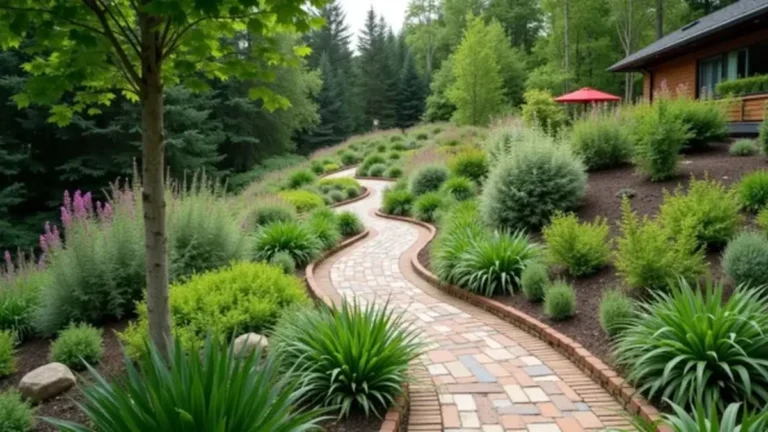
Use a Switchback Path to Make the Climb Easier
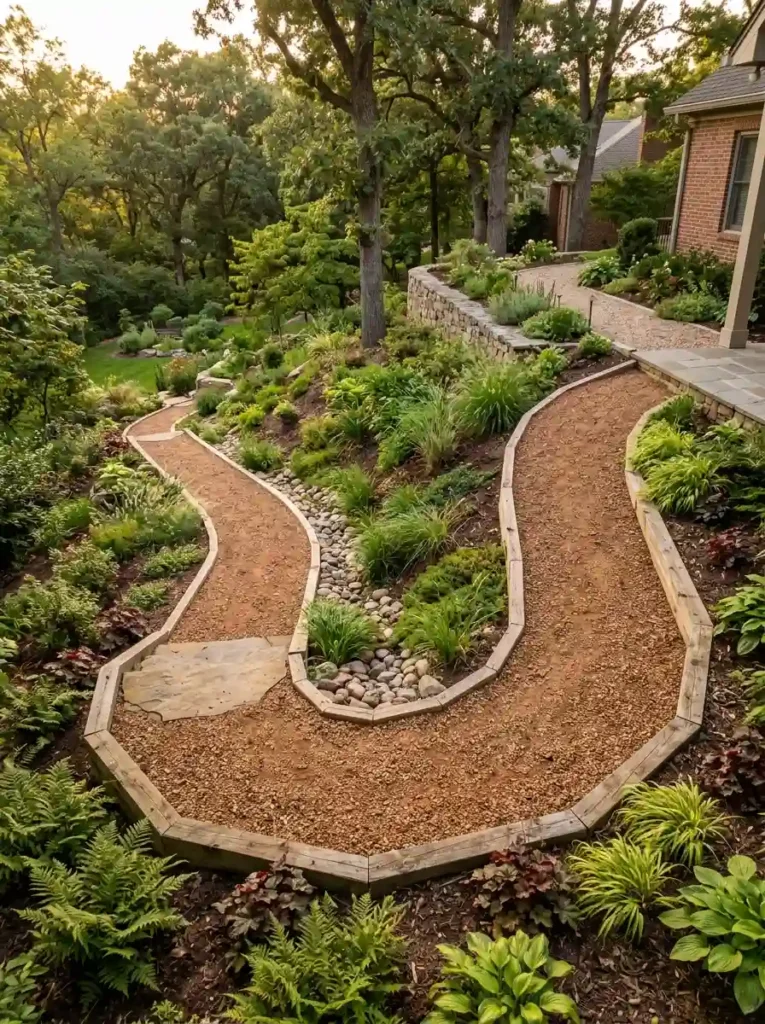
A straight path up a steep slope can be tiring. It may also carry water downhill like a channel.
A switchback path crosses the slope in a gentle zigzag. This reduces the walking angle and makes the climb easier.
This design needs more width than a straight path. It works best in a wider side yard or on a slope that opens near the backyard.
Add a flat landing where the path changes direction. The landing gives you a safe place to turn.
Compacted gravel creates a relaxed garden look. Pavers give the path a cleaner finish. Flagstone can blend well with rocks and planting beds.
Use strong edging on the lower side of the path. This helps stop gravel and soil from moving.
Plan the path so rainwater crosses it or moves beside it. Water should not run straight down the walking surface.
Best for: Wider and steeper side yards
Budget: Medium
Difficulty: Moderate
Build a Dry Creek Bed to Guide Rainwater
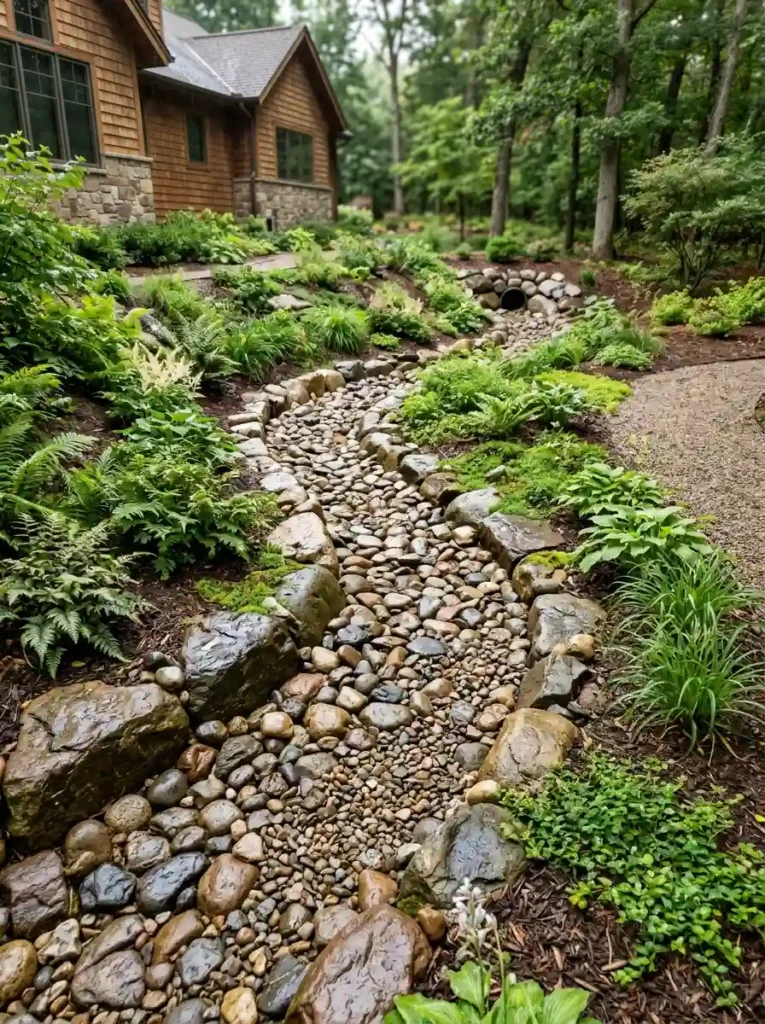
Do you see the same water trail after every storm? Turn that path into a dry creek bed.
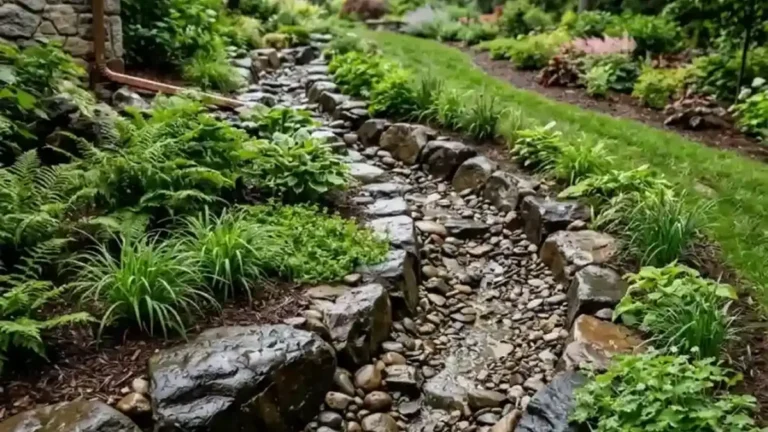
A dry creek is a shallow channel lined with stones. It guides runoff while adding a natural feature to the yard.
Follow the path that water already uses. A gentle curve will look more natural than a straight line.
Place larger stones along the sides. Use medium stones in the main channel. Fill smaller gaps with gravel.
Partly bury some of the rocks. This makes the creek look more settled and helps keep the stones in place.
Add moisture-loving plants near the lower section. Keep plants out of the main water route.
The creek must send water to a safe outlet. It should never direct water against the foundation or into the property next door.
A dry creek can help with surface runoff. It may not fix serious foundation or underground drainage problems.
Best for: Visible runoff and washed-out soil
Budget: Medium
Difficulty: Moderate
Add a Rain Garden Where Water Collects
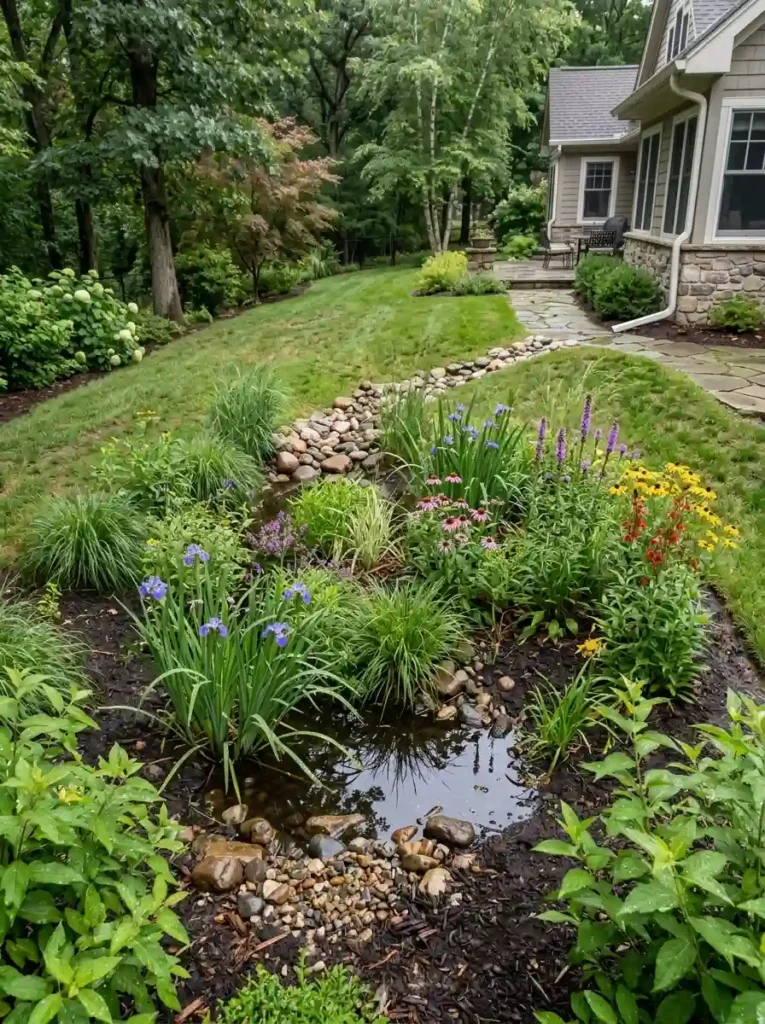
Some side yards stay wet at the bottom of the slope. A rain garden can turn that damp area into a planted feature.
A rain garden is a shallow basin that catches runoff for a short time. The water then soaks into the soil.
Choose plants that can handle wet soil after rain and drier soil between storms. Native sedges, grasses, and flowering plants may work well, but the best choices depend on your area.
Test the soil before building the garden. Heavy clay may drain too slowly. Sandy soil may drain very fast.
The garden also needs an overflow path for large storms. Extra water must have a safe place to go.
Keep the basin away from the foundation, septic system, and buried utilities. Your local extension office or stormwater department may offer location rules and plant lists.
Best for: A wet lower section of the slope
Budget: Low to medium
Difficulty: Moderate
Create a Gravel and Stepping-Stone Walkway
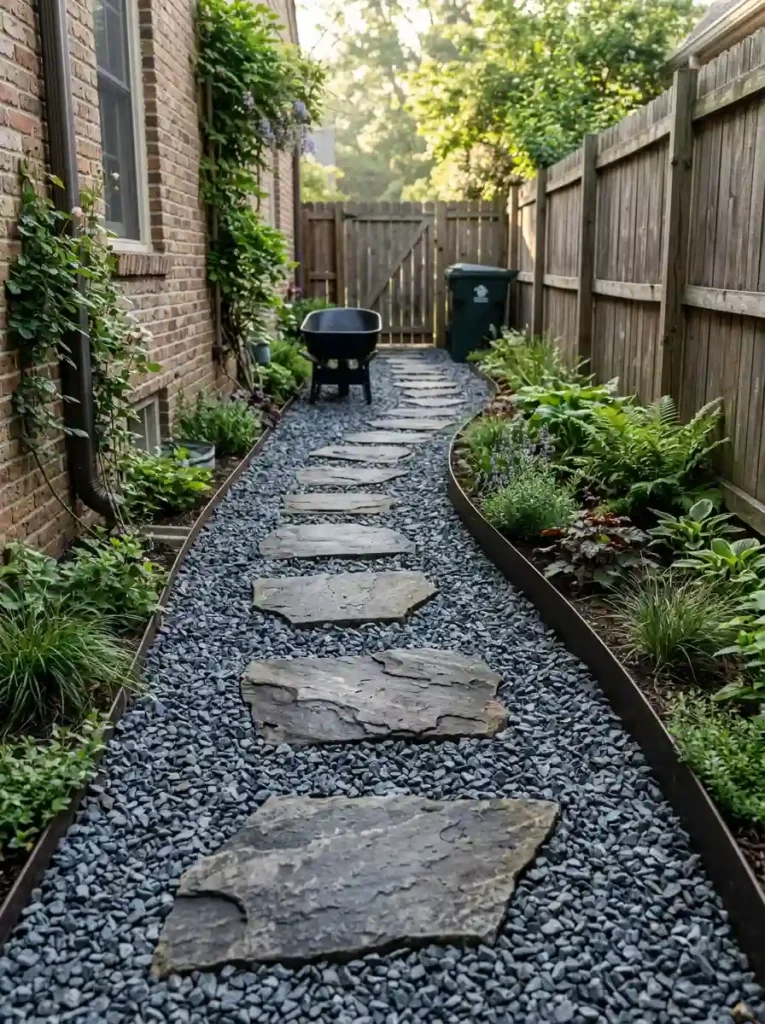
A muddy side yard can make every trip to the backyard messy. A gravel and stepping-stone path gives you a cleaner route.
Start with a compacted base. Decorative gravel placed directly on soil will sink, spread, and mix with mud.
Use large stepping stones with flat tops. Set them at a comfortable walking distance. Each stone should sit firmly without rocking.
Angular gravel is often a better choice than smooth pea gravel. Its edges lock together and help it stay in place.
Add metal, stone, or plastic edging along the lower side. This reduces downhill movement.
Keep the path wide enough for its main use. You may need more space for trash bins, garden tools, or a wheelbarrow.
Add low plants beside the fence. Avoid plants that lean into the walkway.
Best for: Narrow sloped side yard landscaping
Budget: Low to medium
Difficulty: Easy to moderate
Use Boulders to Hold Soil and Add Shape
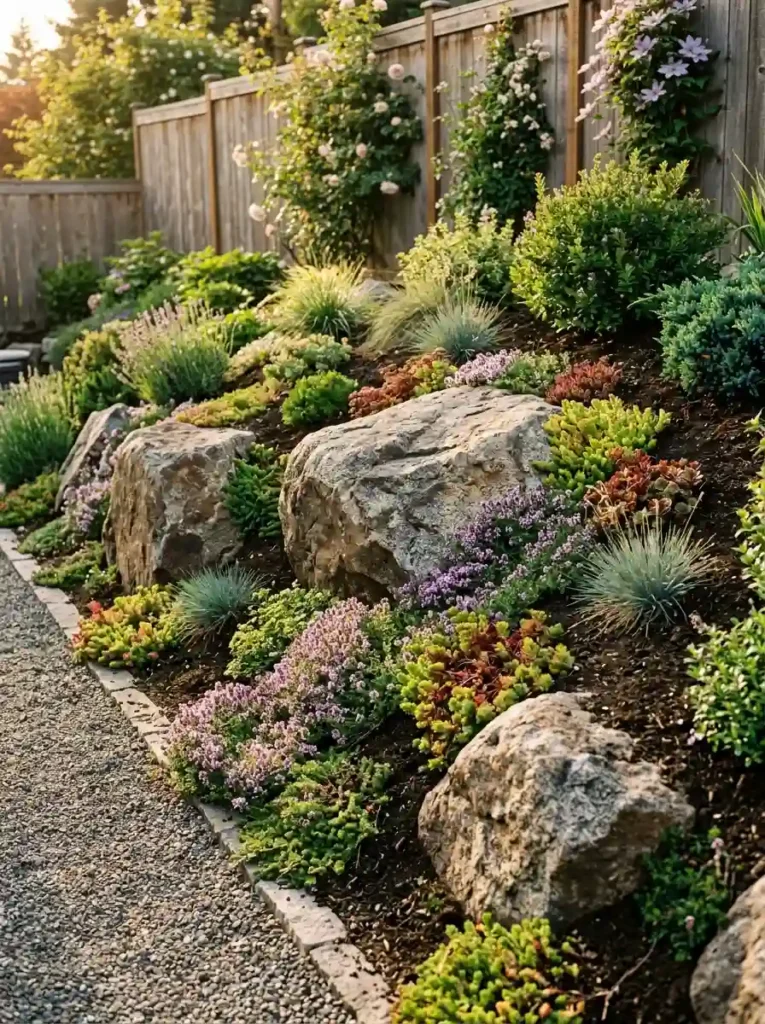
A bare slope can look unfinished. A few well-placed boulders can make it feel like a planned rock garden.
Use fewer large rocks instead of many small ones. Small rocks can look scattered and may move during heavy rain.
Partly bury each boulder. This makes it look natural and gives it more support.
Place rocks in uneven groups. A group of three rocks in different sizes often looks better than a straight row.
Add plants between the rocks. Sedum, creeping thyme, small grasses, and compact shrubs may work in sunny areas.
Choose shade plants when the space receives little light.
Do not place loose, round rocks beside a walking path. They can roll or shift under your feet.
A rock garden on a slope can reduce mowing and cover poor soil. It still needs weed control during the first few seasons.
Best for: Dry slopes and low-maintenance designs
Budget: Medium
Difficulty: Moderate
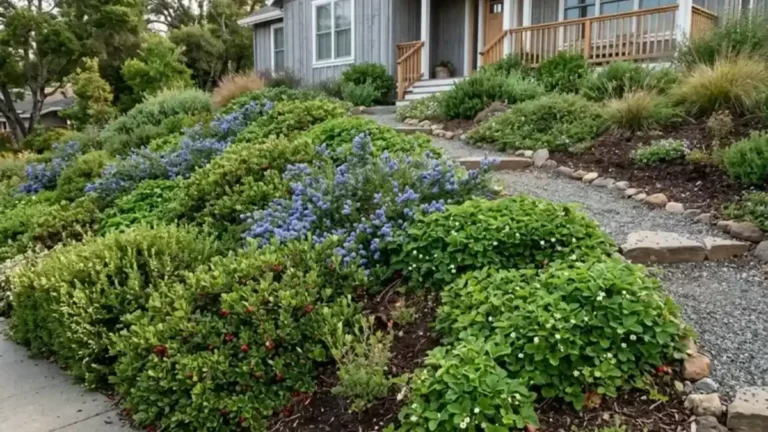
Cover Bare Soil With Thick Ground Covers
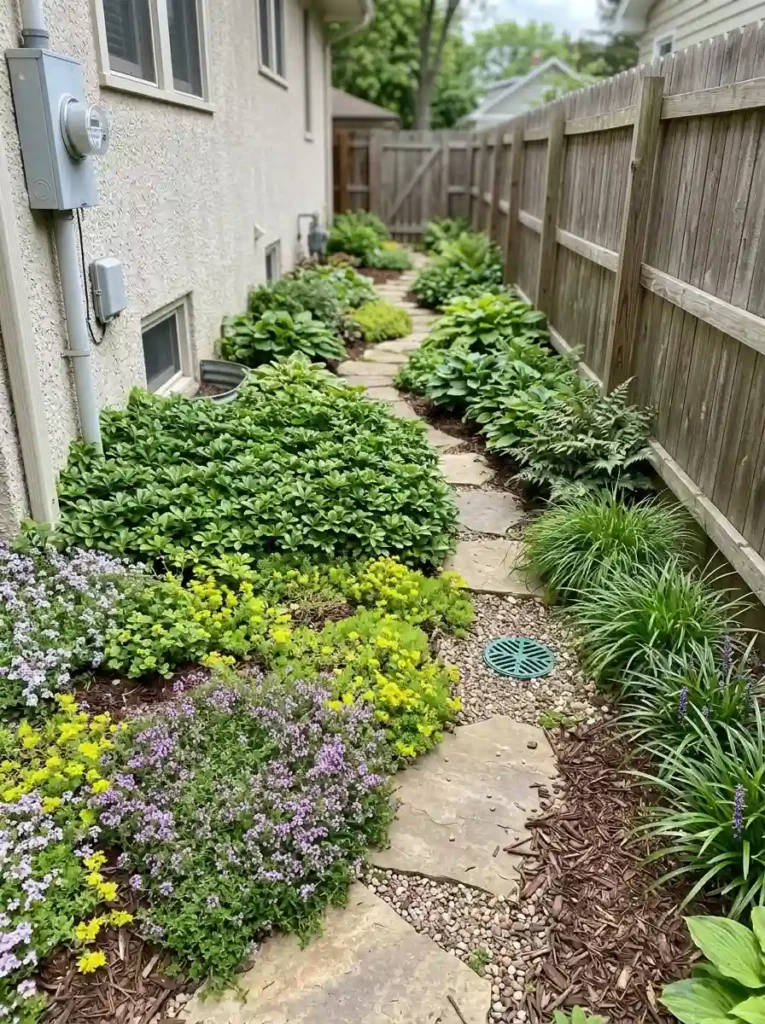
Bare soil is easy for rain to wash away. Dense ground covers protect the surface and reduce mud.
Choose plants based on sunlight, moisture, and climate. A plant that works in a sunny dry yard may fail in deep shade.
Use flowering ground covers in sunny areas. Try shade-friendly plants between the house and fence. Native sedges may suit moist soil.
Do not depend on plants right away. They need time to spread.
Place mulch between young plants while they grow. Mulch protects open soil and helps hold moisture.
Avoid invasive plants. Some fast-spreading ground covers can move into lawns, gardens, and nearby natural areas.
Keep plants clear of vents, meters, drains, and service paths.
Among all the sloped side yard landscaping ideas, dense planting is one of the simplest ways to reduce bare soil. It works best when runoff is already under control.
Best for: Gentle and moderate slopes
Budget: Low to medium
Difficulty: Easy
Use Native Plants With Strong Root Systems
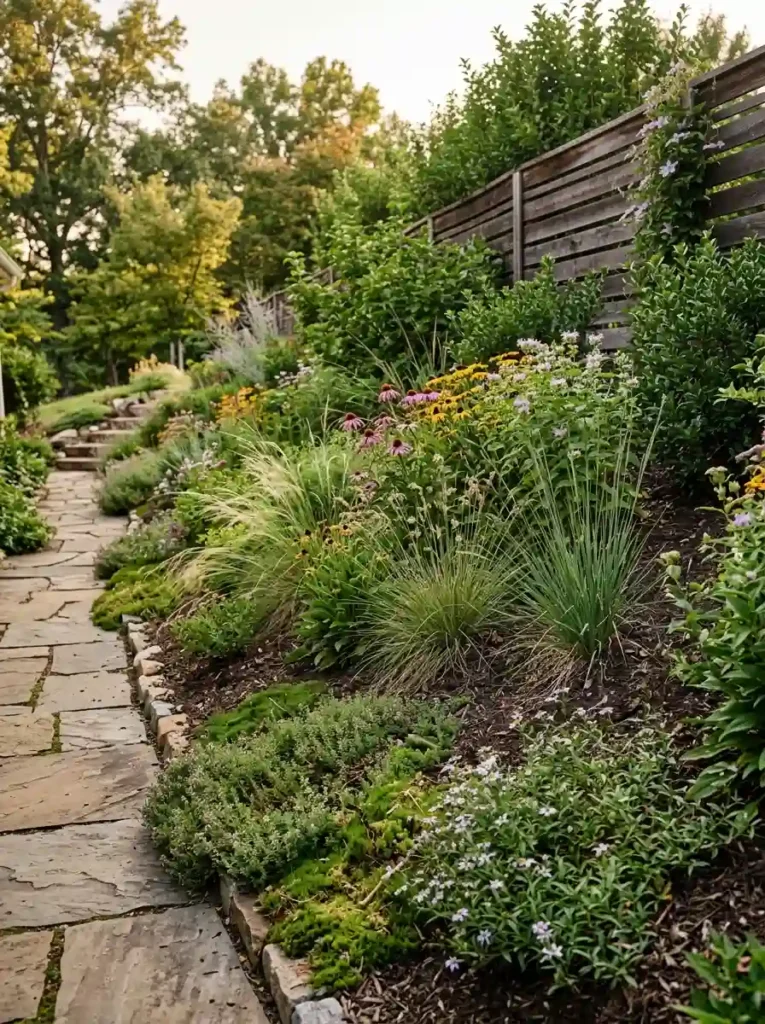
Plants that suit your local climate often need less help after they settle in.
Native grasses, flowers, shrubs, and ground covers can create several root layers in the soil. These roots help hold soil and slow surface water.
Mix different plant heights. Use low plants beside the path. Place grasses and flowering plants in the middle. Add narrow shrubs near the fence.
Check the mature width before buying anything. A small nursery plant may become too wide for a narrow side yard.
Group plants with similar water needs. This makes watering simpler and helps prevent wet or dry patches.
Native does not always mean easy. Some plants spread fast, grow tall, or need a certain soil type.
Use a local native plant list instead of a general list found online. Your climate, rainfall, and soil should guide the final choice.
Best for: Erosion control and lower water use
Budget: Medium
Difficulty: Easy to moderate
Layer Plants to Make a Narrow Yard Feel Deeper
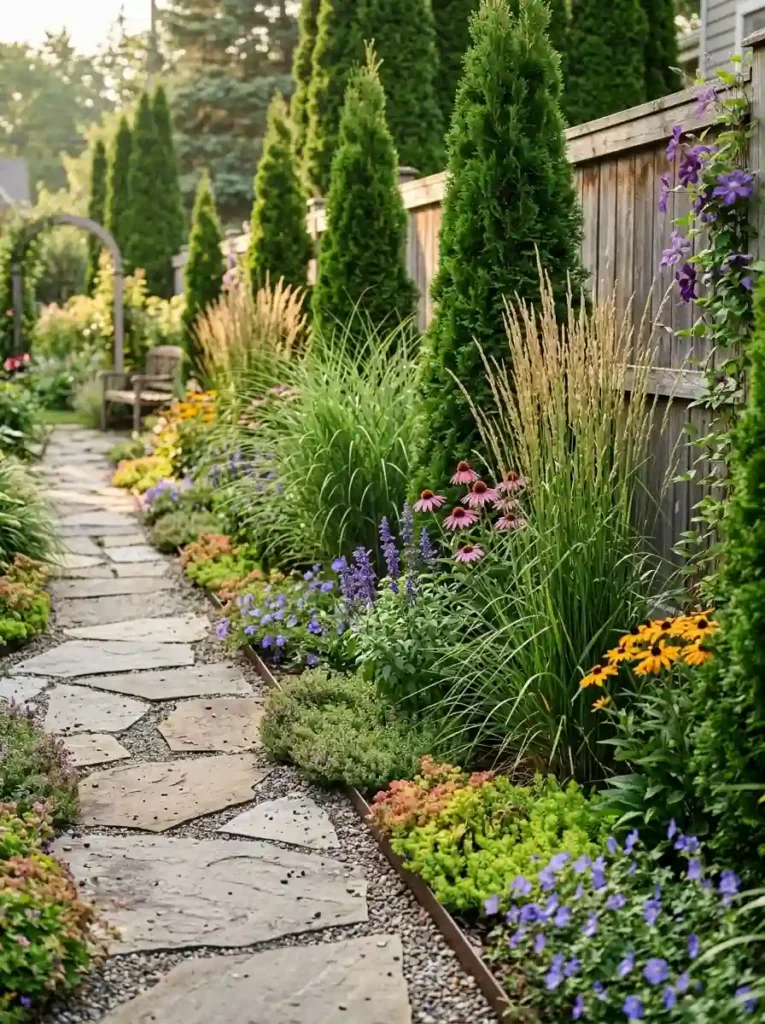
A side yard can look flat when every plant has the same height. Layers add depth without taking up much walking space.
Place the tallest plants near the fence or higher part of the slope. Keep low plants beside the path.
Use a narrow evergreen for year-round shape. Add repeating groups of ornamental grasses. Place flowering plants between them.
Finish the lower level with a spreading ground cover.
Repeat the same plants instead of buying one of everything. Repetition makes the space feel calm and planned.
Leave enough room around each plant. Crowded beds may look full at first, but they can block the path after a few years.
Landscaping a sloped side yard becomes easier when each plant has a clear job. One plant adds height. Another adds color. A third covers the soil.
Best for: Long, narrow planting beds
Budget: Medium
Difficulty: Easy
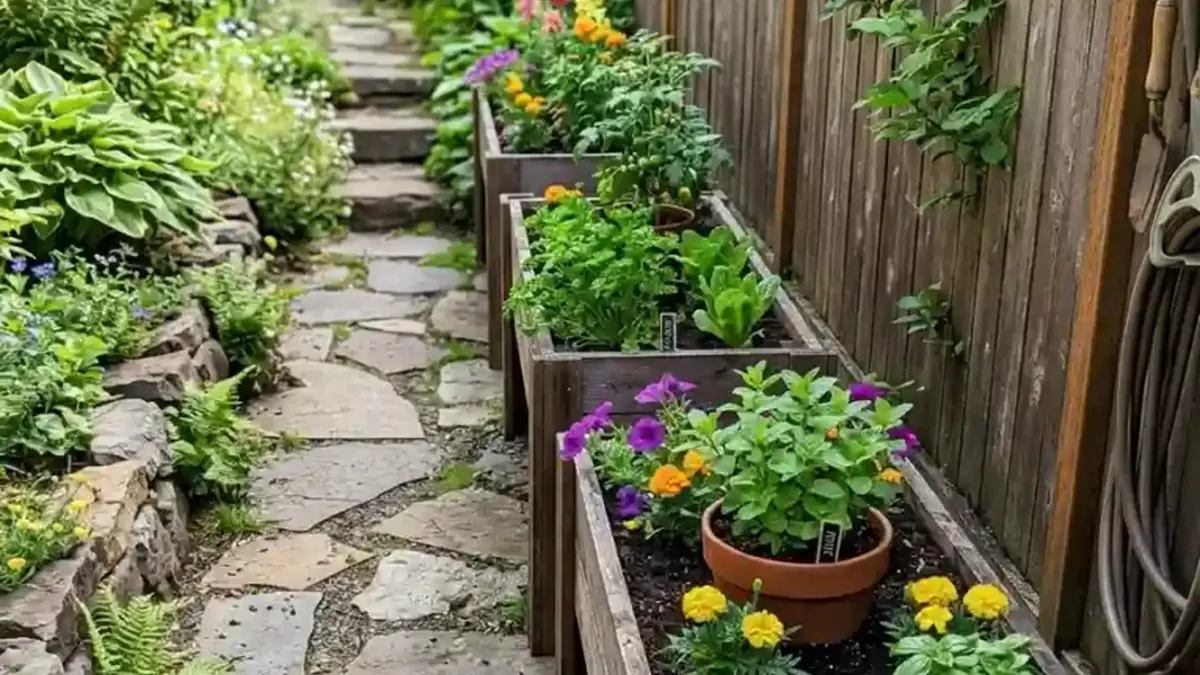
Add Raised Planters Along the Fence
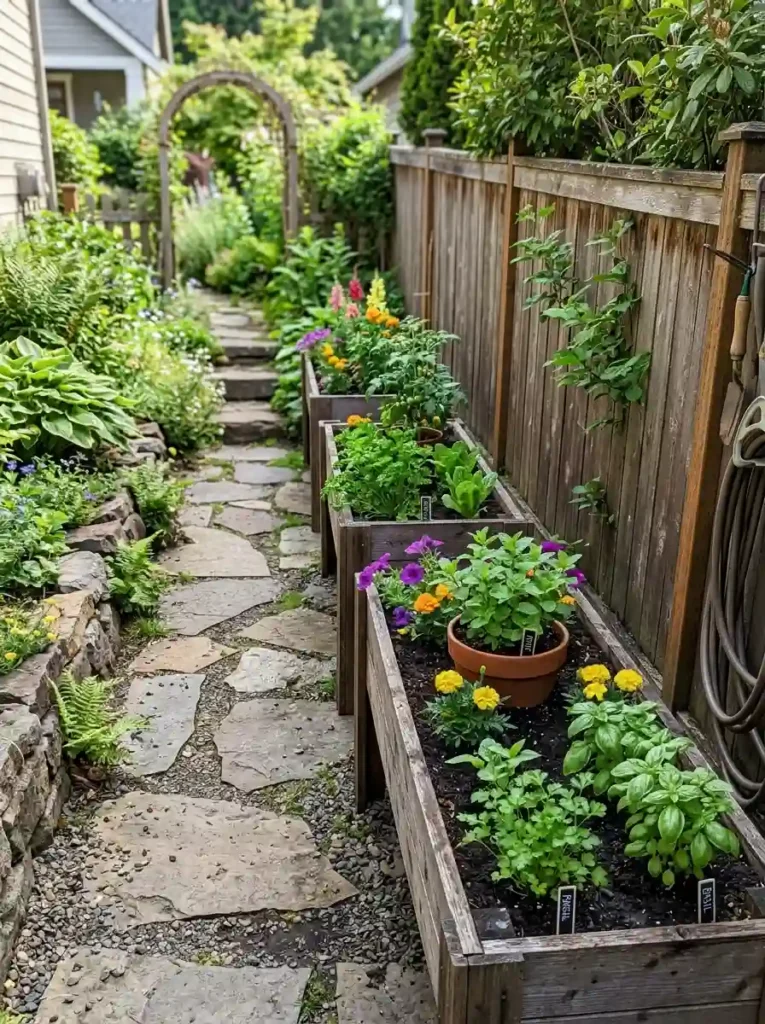
A raised planter can create growing space without filling the center of the yard.
Place narrow planters along the fence or upper edge of the slope. Keep the main walkway open.
Use materials that can handle wet soil. Treated wood, metal, stone, and concrete blocks are common choices.
Make sure the planter can drain. Wet soil adds weight and may damage the box or nearby fence.
Do not attach a heavy planter to a fence unless the fence can support it. A freestanding planter is often safer.
Use the beds for herbs, seasonal flowers, compact vegetables, or pollinator plants.
A planter near the kitchen can hold basil, parsley, mint in a pot, and other useful herbs.
Choose plants with roots that match the planter depth. Large shrubs and trees need more room than most narrow boxes provide.
Best for: Small-space gardening
Budget: Low to medium
Difficulty: Easy to moderate
Use Cascading Plants to Hide Hard Wall Edges
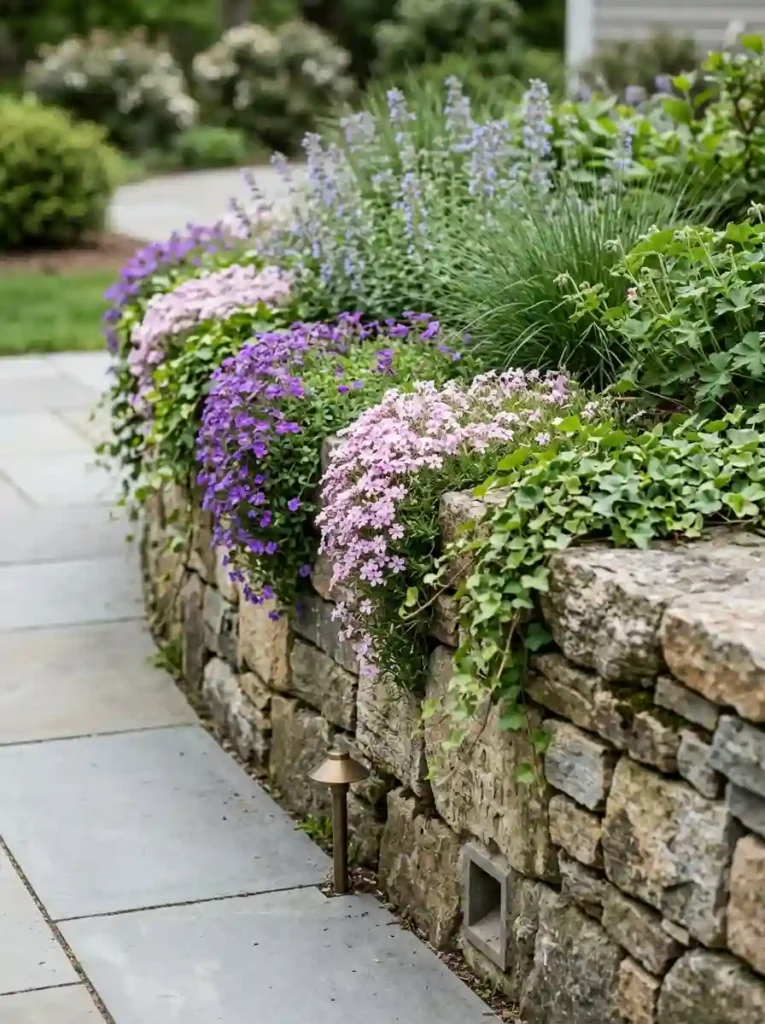
Stone, timber, and concrete walls may look harsh when left bare. Cascading plants soften the edge.
Plant trailing flowers or evergreen ground covers at the top of a low wall. Let them spill gently over the front.
Add upright plants behind them to create more depth.
Choose plants that suit the amount of sun and water in the space. Some trailing plants need full sun. Others prefer shade.
Do not let growth cover steps, lights, or drainage holes. Trim it before it reaches the walking path.
Avoid thorny plants beside a narrow route. They can catch clothing and make the area hard to use.
This idea works best as a finishing detail. The wall and drainage must already be safe and stable.
Best for: Terraces and low retaining walls
Budget: Low
Difficulty: Easy
Turn a Shaded Slope Into a Woodland Garden
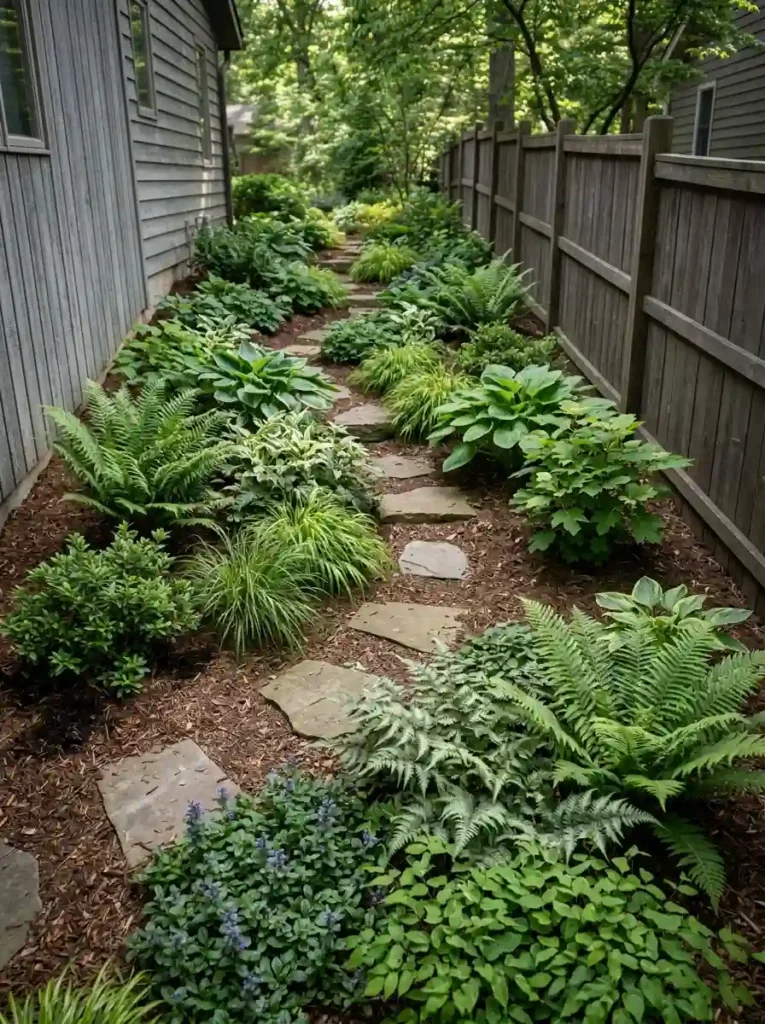
The space between a house and fence often receives very little sun. Grass may stay thin, and flowering plants may struggle.
A woodland-style garden works with the shade.
Use plants with different leaf shapes and sizes. Ferns, sedges, compact shrubs, and shade-loving ground covers can add texture.
Cover open soil with leaf mulch or fine wood mulch. This helps the bed look natural and reduces weeds.
Add flat stones or a simple gravel path through the planting.
Check whether the soil is dry or wet. Shade does not always mean moist soil. Roof overhangs may block rain and create very dry beds.
Choose plants that match both the light and the moisture level.
You do not need constant flowers to make a shaded sloped side yard attractive. Strong leaf shapes can give the space interest for months.
Best for: Deep or part shade
Budget: Medium
Difficulty: Easy
Grow a Narrow Privacy Screen Without Blocking the Path
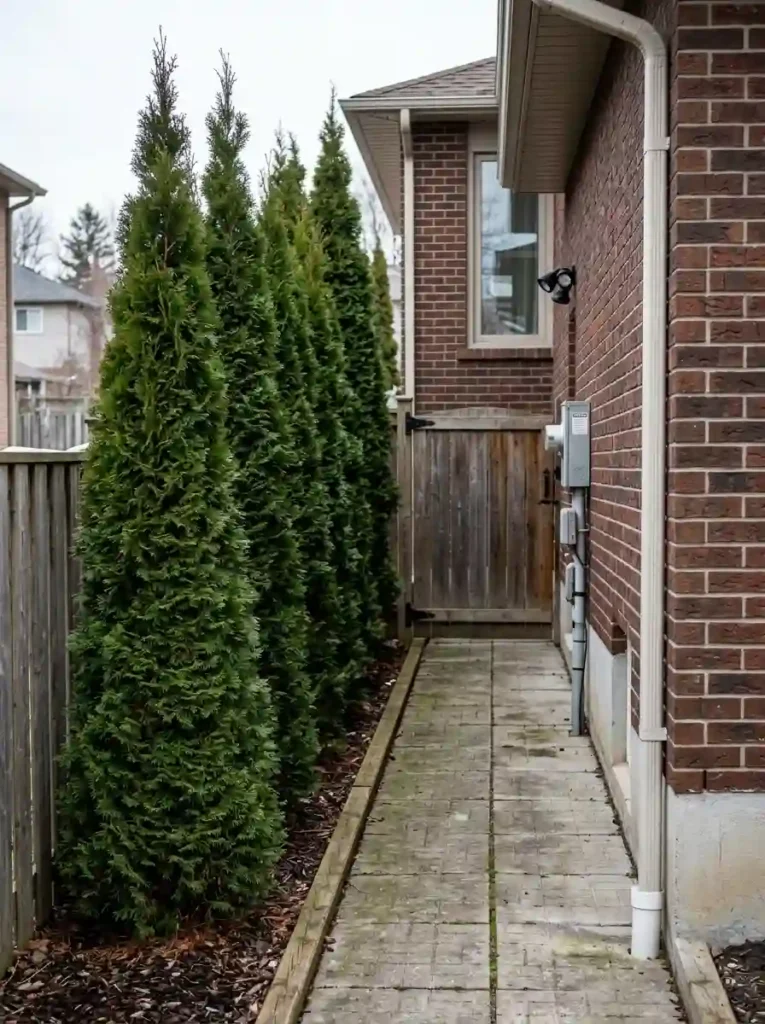
You may want privacy from a nearby window or yard. Large shrubs can solve that problem, but they can also take over a narrow space.
Choose upright plants with a slim mature shape.
Column-shaped evergreens may work where you need year-round cover. Tall grasses create a softer screen. A trellis with a vine may use less ground space.
Check the plant’s mature width, not its size at the store.
Keep roots away from drains, pipes, and the home’s foundation. Leave space below gutters and utility wires.
Avoid running bamboo. It spreads through the soil and can become hard to control.
Clumping bamboo may be safer in some areas, but check local rules before planting it.
Do not block gates, security lights, windows, or service areas.
Best for: Privacy in tight spaces
Budget: Medium
Difficulty: Easy to moderate
Use a Trellis When Ground Space Is Limited
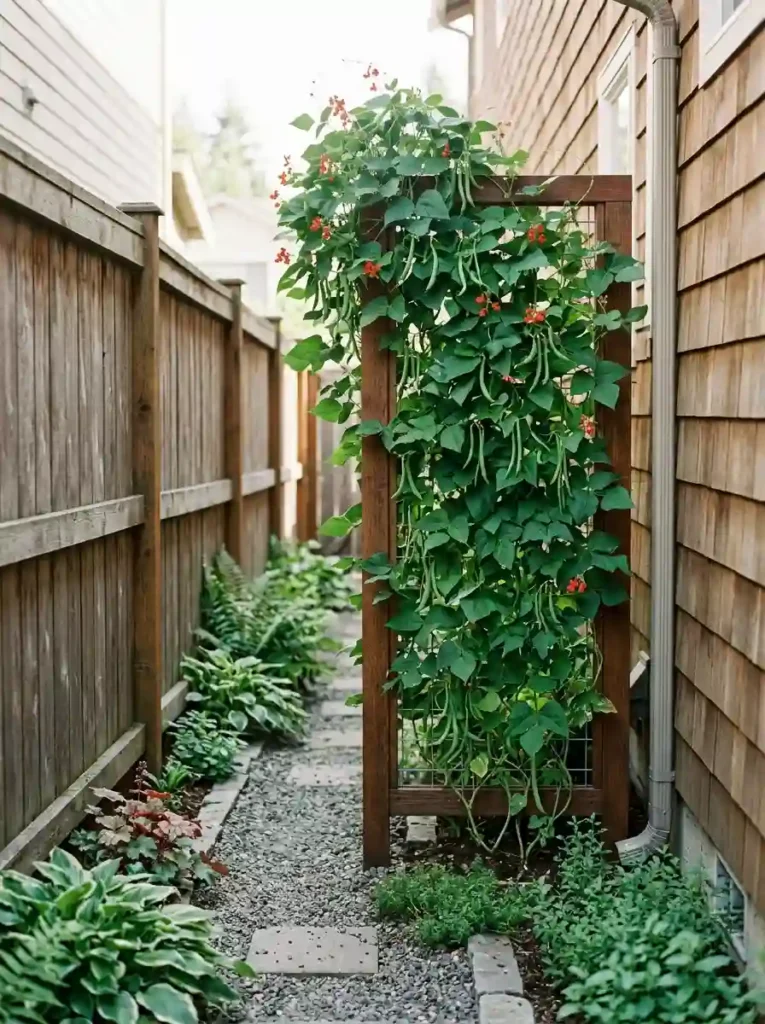
A trellis lets you grow upward instead of filling the ground.
Place a narrow trellis along the fence or behind a path. Use a freestanding design when you do not want to drill into the fence.
Climbing flowers can add color. Edible vines may provide herbs, beans, or small fruits. Espalier fruit trees can also work against a strong support.
Check how large and heavy the plant becomes. A small vine can grow into a thick mass after a few years.
Keep plants away from siding, gutters, vents, and outdoor units.
Fast-growing vines need regular trimming. They are not always a low-care choice.
A trellis works well when you want greenery, privacy, or flowers but have little planting width.
Best for: Very narrow side yards
Budget: Low to medium
Difficulty: Easy
Add Lights to Make Steps and Paths Safer
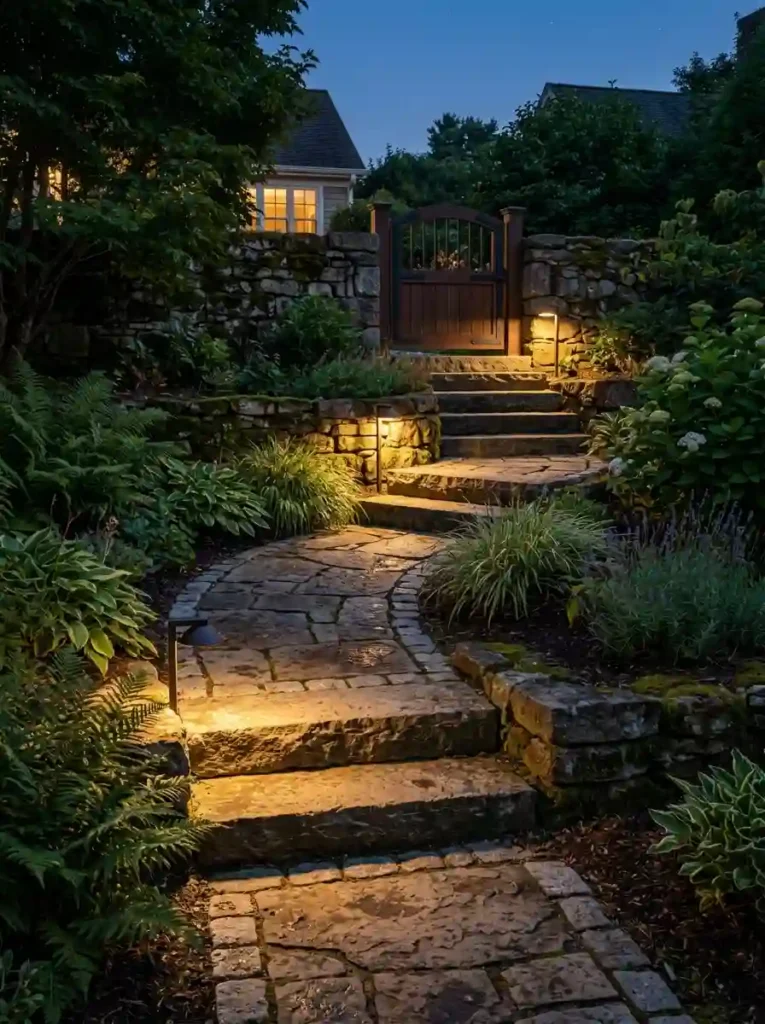
A sloped path can be hard to see at night. One dark step may be enough to cause a fall.
Place lights near step changes, landings, gates, and sharp turns.
Aim the light down at the walking surface. Bright lights aimed at eye level can cause glare and make the path harder to see.
Low-voltage wired lights often give steady results. Solar lights are easier to install, but deep shade may stop them from charging well.
Keep fixtures away from foot traffic. They should not become another trip risk.
Choose lights made for outdoor use. Water can enter cheap indoor fittings and damage them.
You do not need to light every plant. Focus on the places where the ground changes.
Soft lighting can also make stone walls and planting beds look better after dark.
Best for: Steps and daily access routes
Budget: Low to medium
Difficulty: Easy to moderate
Build One Small Level Seating Area
You do not need to flatten the full slope to create a place to sit.
Find a wider section of the side yard. Build one small level landing there.
Use permeable pavers, compacted gravel, or a stable deck-style platform. Add a strong edge to hold the surface in place.
A narrow bench often fits better than several chairs. You can also use one compact chair with a small side table.
Add two planters or a slim privacy screen. Keep the design simple.
Leave a clear path through the space. Do not block the gate, outdoor equipment, or emergency access.
A wall-mounted light can make the area more useful in the evening.
A small side yard retreat will not replace a full patio. Still, it can create a quiet reading spot or a place to rest while gardening.
Best for: Wider points along the slope
Budget: Medium to high
Difficulty: Moderate
How to Pick the Best Idea for Your Yard
You probably do not need all 18 ideas. Choose one main fix based on your biggest problem.
Choose terraces when you need planting space
Terraces create flatter beds. They work well when plants slide downhill or water moves too fast.
Choose steps or a path when access comes first
A safe route should come before flowers, seating, or privacy plants.
Choose a dry creek when runoff follows one clear path
A dry creek can guide surface water and protect nearby soil.
Choose a rain garden when water collects at the bottom
The soil must drain well enough between storms.
Choose ground covers and native plants when you want less bare soil
These plants may lower long-term care once they become established.
Choose a trellis or narrow screen when privacy is the goal
Vertical features use less ground space than wide shrubs.
Call a professional when the house may be at risk
Get help when water reaches the foundation, the soil is moving, or a tall wall is needed.
The best plan often uses three parts. Pick one main feature, one planting method, and one safety detail.
For example, use steps as the main feature. Add ground covers beside them. Finish with path lighting.
Make Your Side Yard Safer Before Making It Pretty
A sloped side yard can become useful, but you need to fix the right problem first.
Start with water flow, soil movement, and safe access. Then add plants, privacy, lighting, or a small seating area.
Terraces can create planting space. Steps and paths can make the slope easier to use. Dry creeks and rain gardens can help manage water. Ground covers can protect open soil.
Measure the area before you begin. Watch it during rain. Check local rules before building a large wall.
By matching the design to your space, drainage, sunlight, and budget, you can turn these sloped side yard landscaping ideas into a safer and better-looking part of your home.