15 Backyard Landscaping Ideas Without Grass for Less Upkeep
A backyard should give you a place to relax. It should not feel like another job that needs mowing, watering, feeding, and constant repair. That is why many homeowners are searching for backyard landscaping ideas without grass that still feel green, useful, and inviting.
Grass can be hard to keep alive in deep shade, poor soil, dry weather, or areas with heavy foot traffic. Dogs can leave bare spots. Water can collect in low areas. In some yards, a lawn simply takes more time and money than it gives back.
Removing grass does not mean covering the whole yard with concrete or rocks. A good grass-free plan blends firm walking surfaces, comfortable seating, plants, shade, and proper drainage. You can use gravel, pavers, native plants, raised beds, ground covers, or a mix of several materials.
The 15 ideas below include simple projects and larger upgrades. You will also learn what works for pets, shaded yards, dry climates, entertaining, and tight budgets.
Plan Your No-Grass Backyard Before Buying Materials
Removing a lawn before you have a plan can create a new set of problems. Bare soil turns muddy after rain. Dark pavers can become hot in summer. Loose gravel may move into walkways. Water may also flow closer to your home if the grade is changed.
Start by deciding what you want the yard to do. Do you need space for children, dogs, outdoor meals, gardening, or quiet evenings? Your main use should guide every material and layout choice.
Next, watch the yard during different parts of the day. A sunny area may suit vegetables or a dining patio with an umbrella. A shaded corner may work better as a woodland garden or reading nook. Also check where water sits after rain and where people already walk.
A family may need a firm play space, wide paths, and a shaded seating zone. A couple who enjoys gardening may prefer raised beds, a small patio, and native planting around the edges.
Before you shop, complete this quick yard check:
- Measure the usable area.
- Mark doors, gates, trees, slopes, and utility points.
- Note the sunniest and shadiest spaces.
- Photograph puddles or runoff after rain.
- Set a starting budget and a yearly care budget.
This step helps you build a backyard without grass that works in real life. It also lowers the risk of buying materials that do not suit the site.
Hardscape Backyard Landscaping Ideas Without Grass
Hardscape gives you clean paths, level seating, and space for outdoor furniture. It can also lower mowing and watering work. Still, too much hard material can make a yard feel hot and bare. The best backyard landscaping ideas without grass pair hard surfaces with plants, shade, and good water flow.
Build a Pea Gravel Courtyard
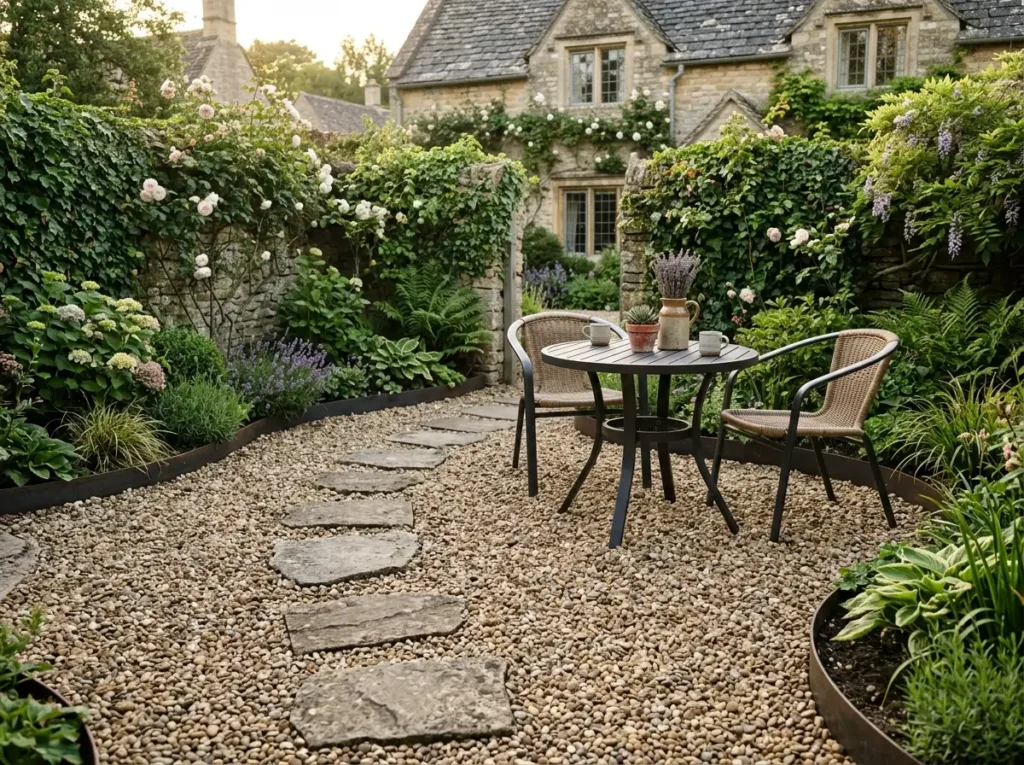
Pea gravel is one of the easiest ways to create a casual seating area. It costs less than many patio materials and works well around garden beds, fire bowls, and small tables.
Start with a firm, level base. Add strong edging around the space so the gravel does not spread into planting beds or paths. A compacted base layer can reduce sinking and help the surface stay even. Stepping stones also make the area easier to cross in dress shoes or with a serving tray.
Pea gravel is not perfect for every yard. It can move under furniture legs and may be hard for wheelchairs, walkers, or strollers. It can also feel sharp under bare feet if the stones are not smooth.
Best for: Affordable seating areas and informal gardens
Maintenance: Medium
Budget: $
Watch out for: Moving gravel and weak edging
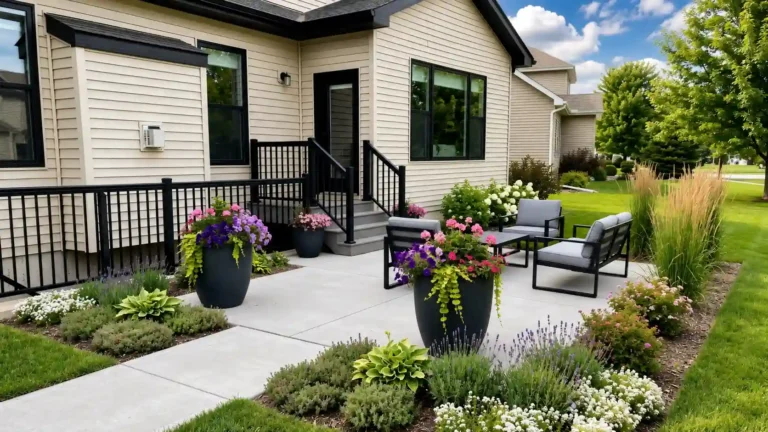
Install a Large Paver Patio
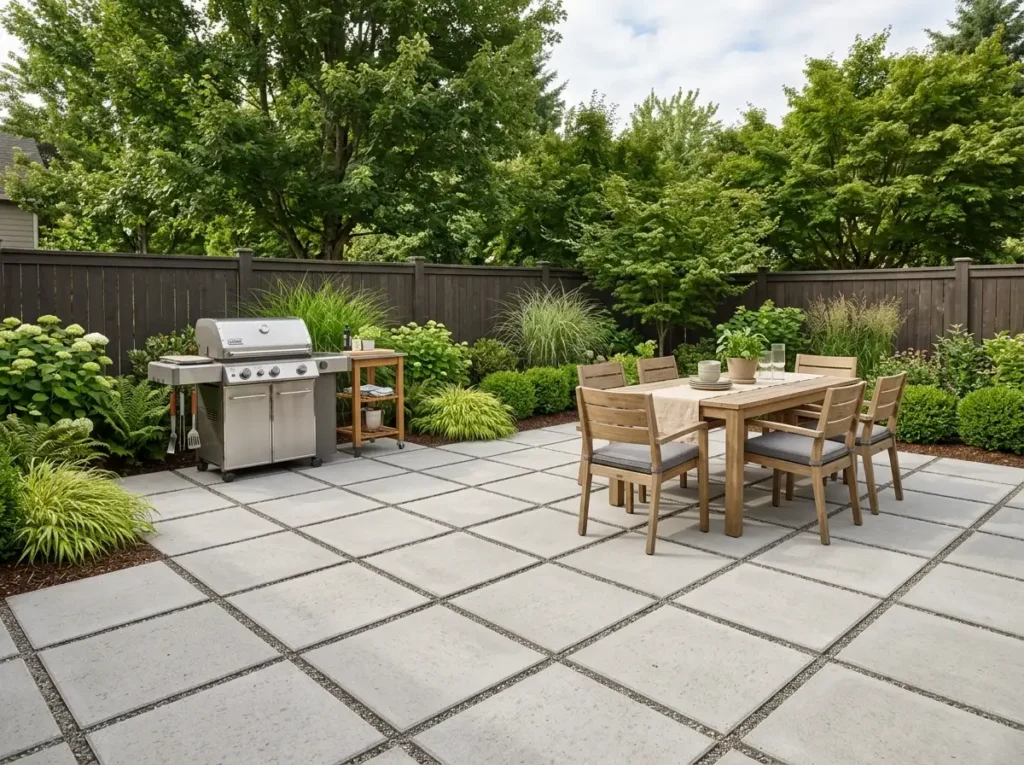
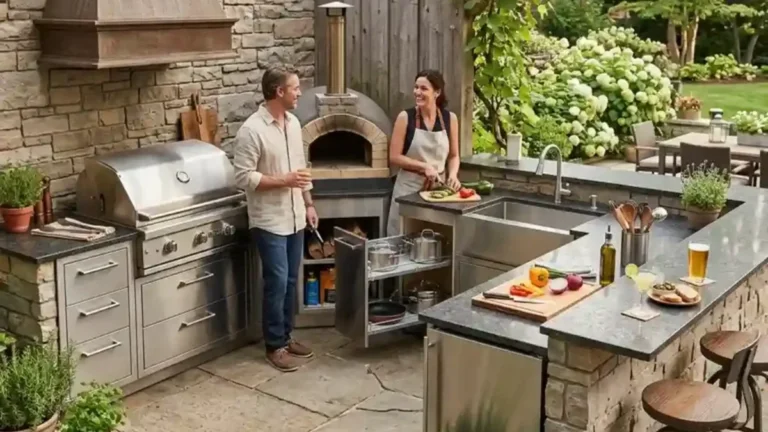
A paver patio gives you a firm place for dining, grilling, and outdoor furniture. It also creates a clear center for the yard, which helps the rest of the landscape feel planned.
Large pavers can make a small yard look cleaner and less busy. Light shades are often more comfortable in hot areas because very dark surfaces can hold more heat. You can also leave narrow gaps for low plants or use permeable pavers where drainage is a concern.
The base matters more than the top surface. Poor base work can lead to sinking, loose edges, and uneven spots. If you plan to install heavy furniture, an outdoor kitchen, or a large dining table, professional preparation may be worth the cost.
Best for: Dining, grilling, and frequent entertaining
Maintenance: Low
Budget: $$$
Watch out for: Heat and poor base preparation
Use Decomposed Granite for Paths and Open Areas
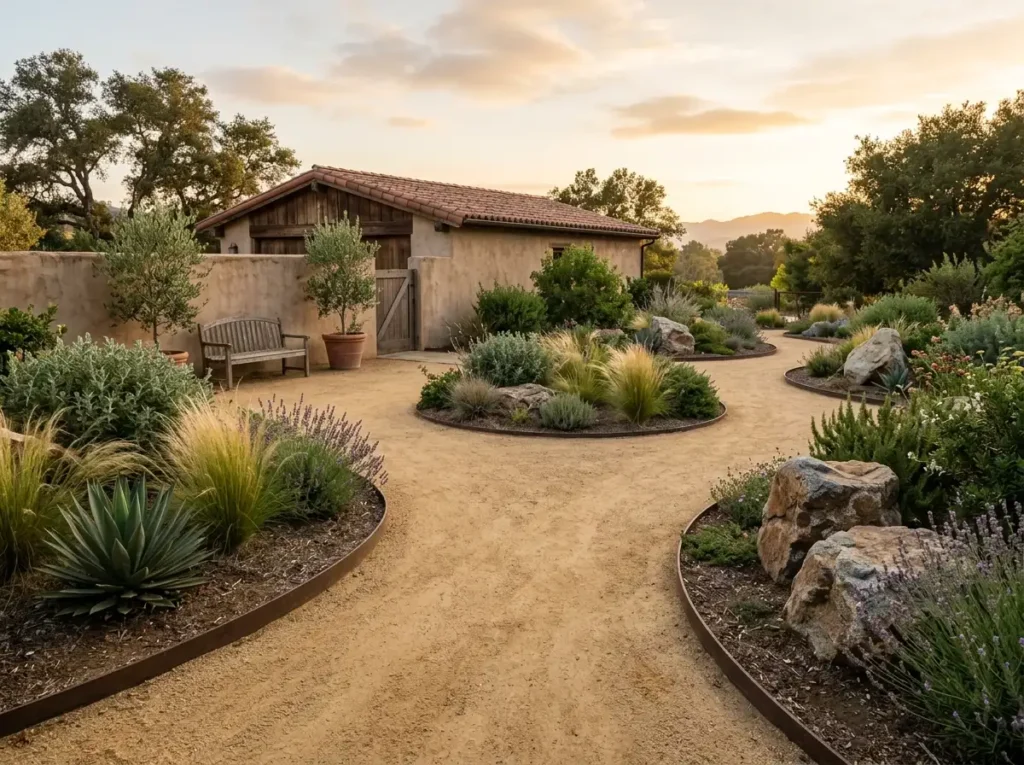
Decomposed granite gives paths and courtyards a neat, natural look. It is made from small pieces of weathered stone and comes in loose or stabilized forms.
Loose material costs less and works well in quiet garden areas. Stabilized decomposed granite includes a binding product that creates a firmer surface. It is often a better choice for busy paths, seating areas, and spaces where you want less dust.
Edging keeps the material in place. The surface also needs the right slope so rain does not cut channels through it. In very wet climates, loose material may need frequent repair.
Pair decomposed granite with drought-tolerant shrubs, ornamental grasses, or large stones. This breaks up the flat surface and keeps the yard from looking empty.
Best for: Dry-climate paths and relaxed courtyards
Maintenance: Medium
Budget: $$
Watch out for: Washout during heavy rain
Combine Flagstone With Low Ground Covers
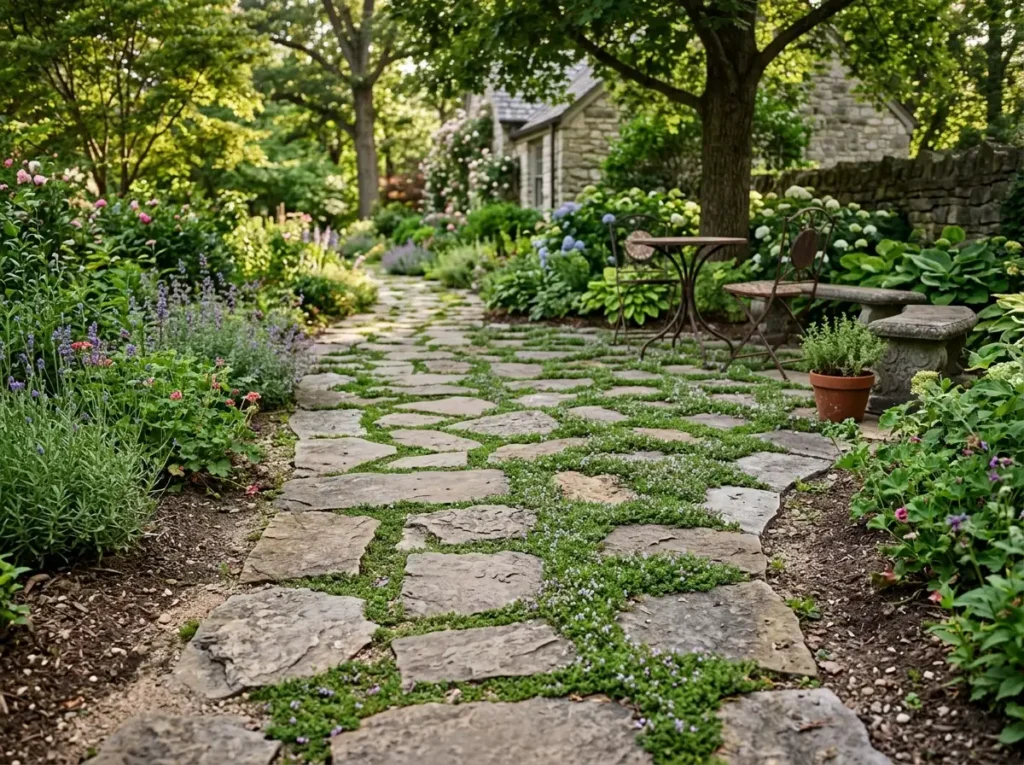
Flagstone paths feel softer and more natural than a full concrete patio. You can set wide stones with small planting gaps between them. The plants add color and help the path blend into the garden.
Choose ground covers that suit your climate, sunlight, and foot traffic. Low thyme may work in sunny areas. Moss-like plants may suit cool, shaded spaces. Your local plant nursery or extension office can suggest choices for your region.
Set each stone on a stable base. Wobbly stones become a trip risk and collect water around the edges. Keep planting gaps narrow on busy paths and wider in low-traffic garden areas.
This design works best when the path has a clear purpose. Use it to connect the house, patio, shed, or seating area.
Best for: Garden paths and lightly used sitting areas
Maintenance: Low to medium
Budget: $$$
Watch out for: Uneven stones and spreading plants
Plant-Filled Grass-Free Backyard Ideas
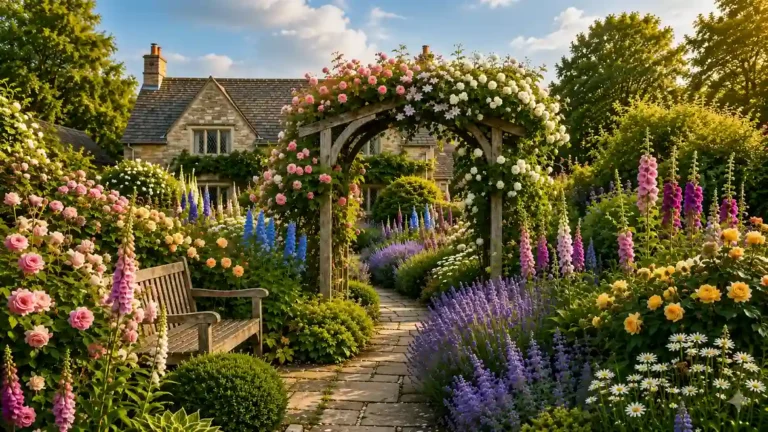
A yard does not need a lawn to feel green. Plants can fill the space with color, shade, texture, and movement. They can also support birds and helpful insects. The key is to use clear paths and plant layers so the yard feels planned instead of overgrown.
Replace the Lawn With Native Planting Beds
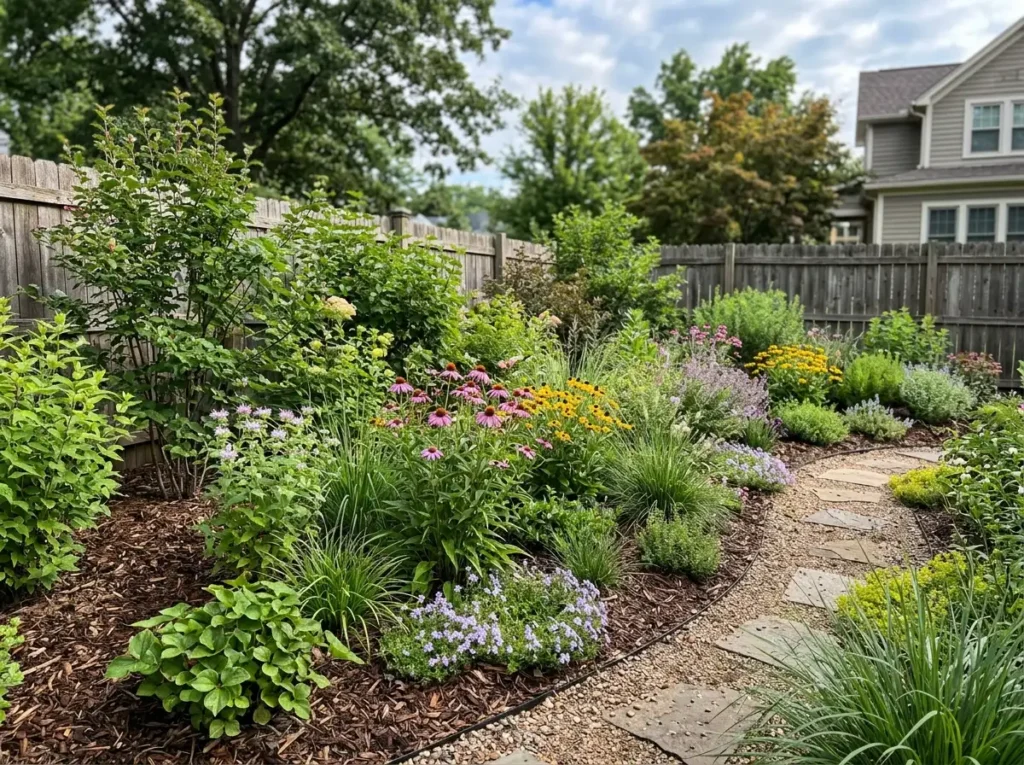
Native plants are suited to the weather and soil conditions of a region. Once they are settled, many need less extra water and care than plants from very different climates.
Do not plant the whole yard at random. Group plants by their water and sunlight needs. Place low plants near paths, medium plants in the middle, and taller shrubs near fences or walls. This layered look adds depth and keeps smaller plants from getting hidden.
Leave enough room for mature growth. A small shrub at the nursery may become several feet wide. Crowding plants may lead to poor airflow and extra pruning later.
Mulch can help control weeds while the new plants fill in. Keep mulch away from trunks and stems, and choose a type that suits the site.
Best for: Wildlife, lower water use, and natural color
Maintenance: Low after plants settle
Budget: $$
Watch out for: Planting too closely
Create a Pollinator Garden
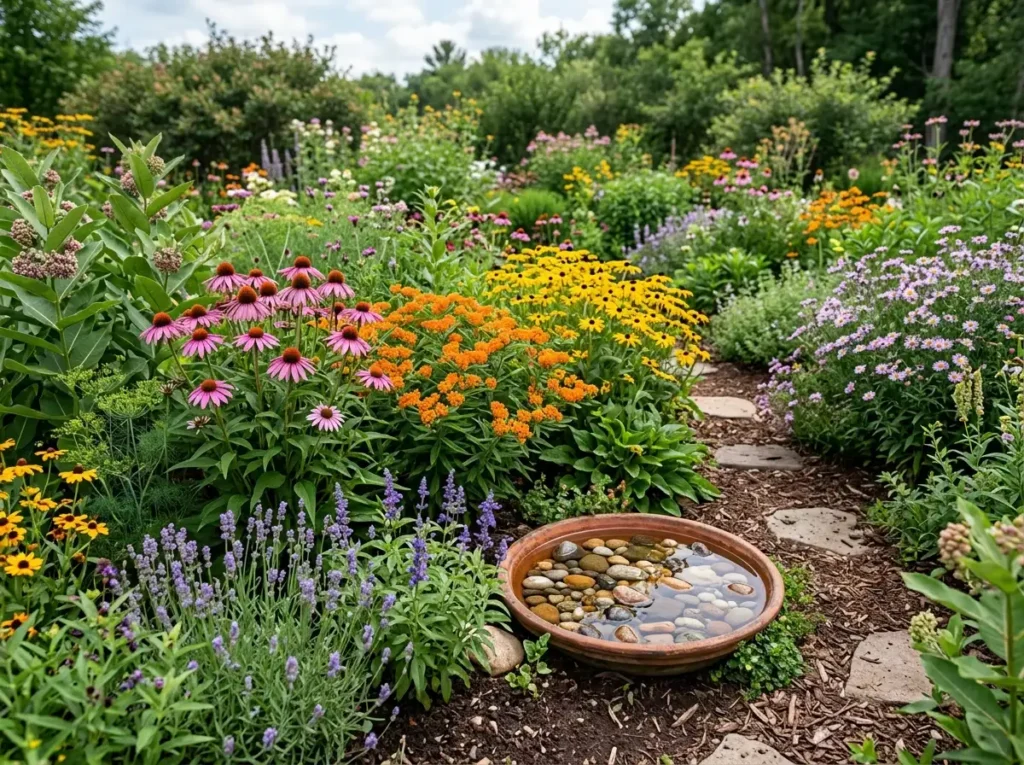
A pollinator garden can replace part or all of a lawn with flowers and host plants. Bees, butterflies, moths, and other helpful insects use these spaces for food and shelter.
Choose plants that bloom at different times. Early, middle, and late-season flowers give pollinators a longer food supply. Add several plants of the same type in small groups. These groups are easier for insects to find than single plants spread far apart.
A shallow water dish with stones can provide a safe drinking spot. Change the water often so it does not become dirty or attract mosquitoes. Avoid spraying broad insect killers across the garden because they may harm the insects you want to support.
Add a narrow path for watering, trimming, and weeding. Clear access will make the garden much easier to care for.
Best for: Seasonal color and wildlife
Maintenance: Medium
Budget: $$
Watch out for: Using treated plants or harmful sprays
Design a Shade Garden Under Mature Trees
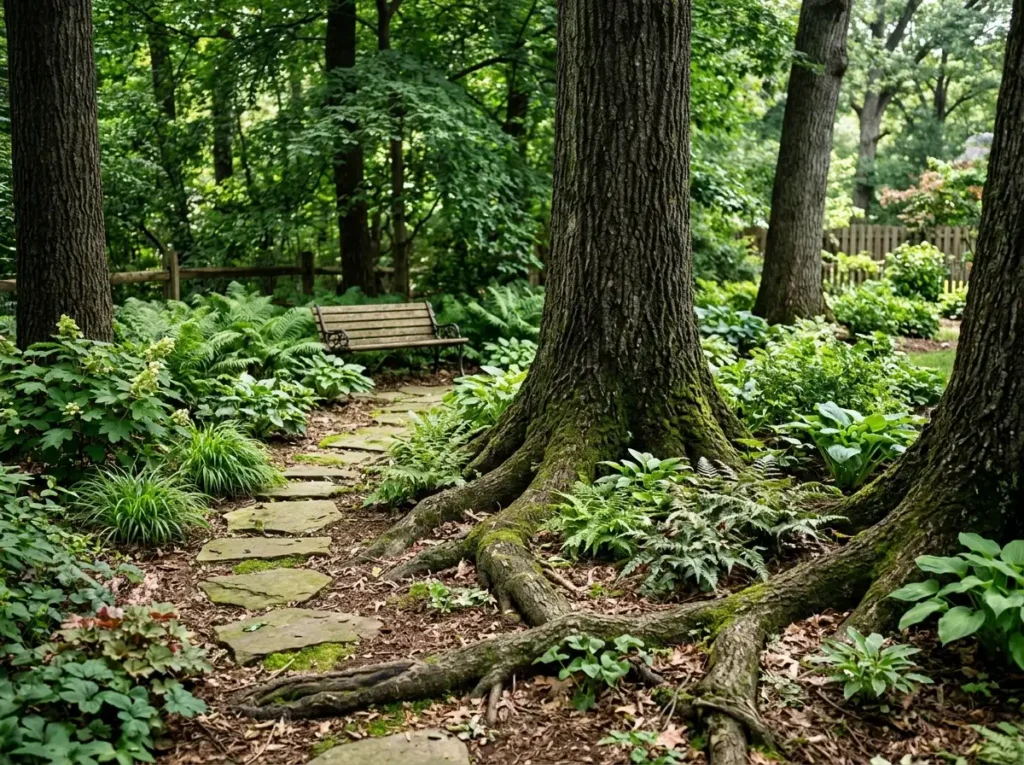
Grass often struggles under mature trees because the area receives little light and tree roots take up much of the available water. A shade garden accepts these site limits instead of fighting them.
Start with plants that can handle dry shade. Ferns, sedges, shade-loving ground covers, and small woodland shrubs may work, depending on your region. Use fallen leaves as light mulch when possible. They protect the soil and give the area a natural look.
Do not add deep soil around a tree trunk or cut through large roots. Both actions can damage the tree. Instead, place plants in open pockets between roots and keep paths light and simple.
A bench, birdbath, or a few flat stepping stones can turn the area into a cool retreat.
Best for: Yards where grass will not grow under trees
Maintenance: Low to medium
Budget: $$
Watch out for: Root damage and plants that need wet soil
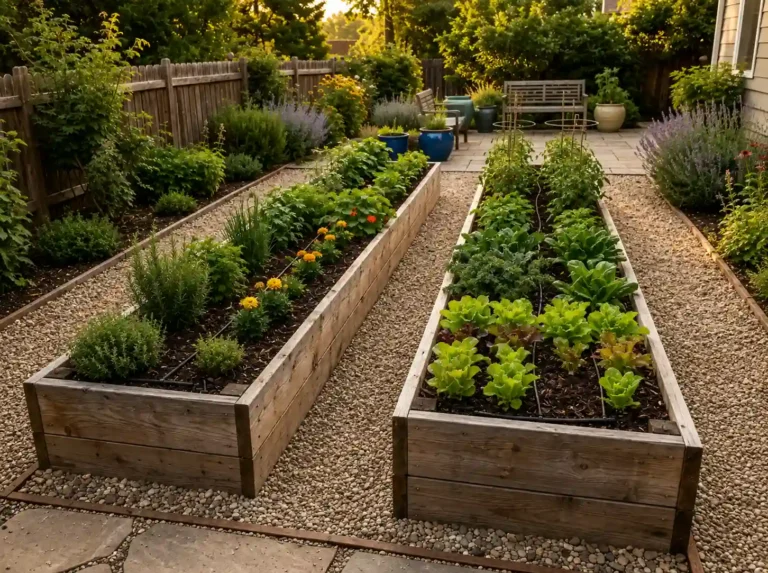
Add Raised Edible Garden Beds
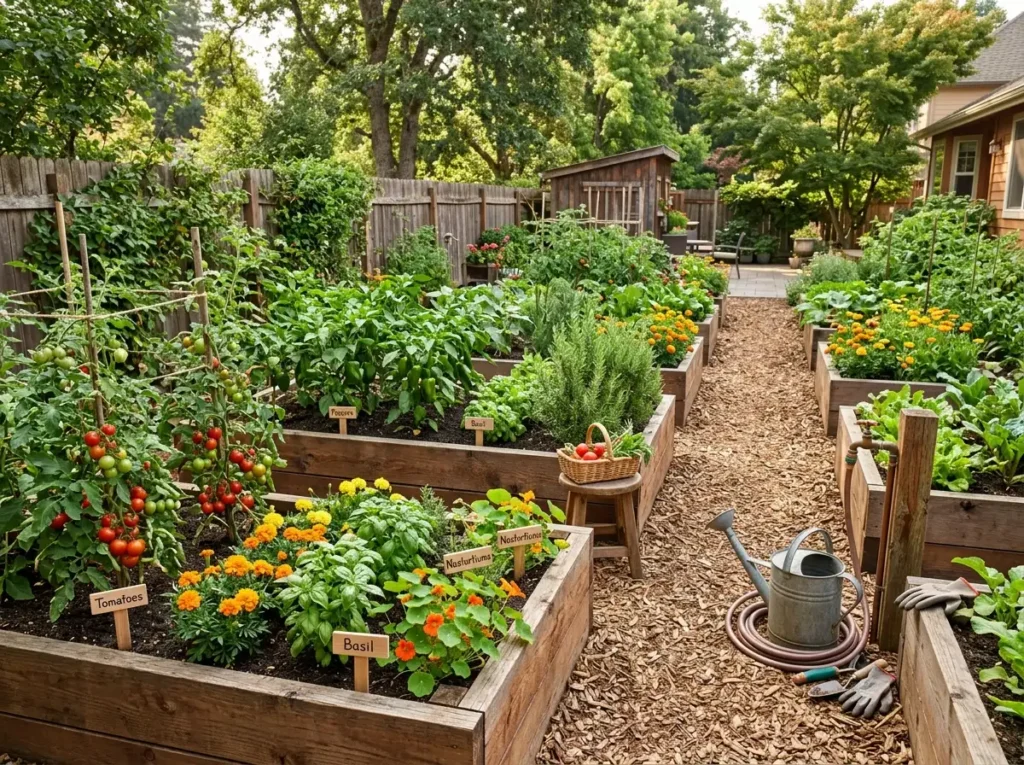
Raised beds turn an unused lawn area into a place for vegetables, herbs, and edible flowers. They also keep the garden organized and can reduce bending during planting and harvest.
Place the beds in one of the sunniest parts of the yard. Most vegetables need several hours of direct light. Keep paths wide enough for a wheelbarrow and leave room to reach the center of each bed.
Use gravel, wood chips, or pavers between the beds. This keeps shoes cleaner and stops the area from turning muddy. A nearby water point will also save time during hot weather.
Mix useful and attractive plants. Tomatoes, peppers, basil, rosemary, marigolds, and edible flowers can create a garden that looks good as well as feeds your household.
Best for: Home food growing and organized planting
Maintenance: Medium to high
Budget: $$
Watch out for: Poor sunlight and hard-to-reach beds
No-Grass Outdoor Living Ideas for Relaxing and Entertaining
A grass-free yard becomes more useful when every area has a job. You may want a place to eat, talk, read, cook, or gather after sunset. Build these activity zones first, then use plants and paths to connect them.
Build a Fire Pit Lounge
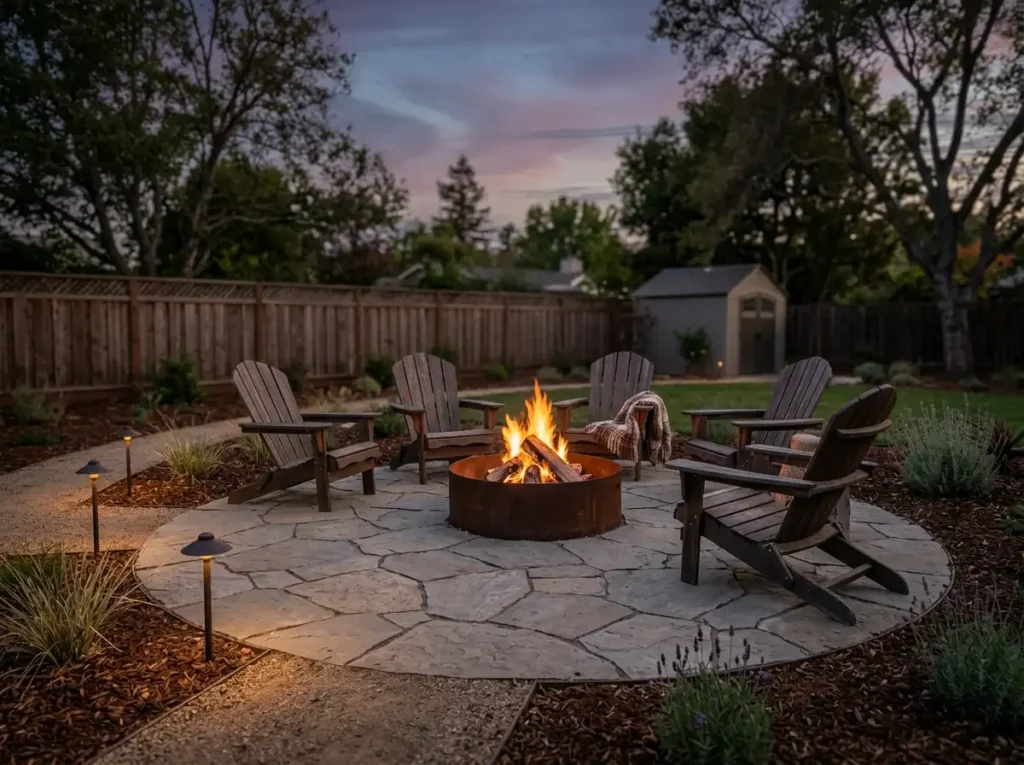
A fire pit can become the main gathering spot in a backyard. It works well in a gravel courtyard, paver patio, or stone area with safe seating around the edge.
Check local fire rules before you build. Some towns limit open flames, fire pit sizes, or placement. Keep the fire area away from fences, branches, sheds, and other items that can burn. Use a firm, nonflammable surface beneath and around the pit.
Built-in benches save space, but movable chairs offer more freedom. Add low path lights so people can move safely after dark. Keep the lighting soft so the fire remains the main focus.
A fire pit is not a good choice for every climate or property. In places with frequent fire bans, a simple conversation area may get more use.
Best for: Evening gatherings and cool weather
Maintenance: Low
Budget: $$ to $$$
Watch out for: Local rules and nearby plants
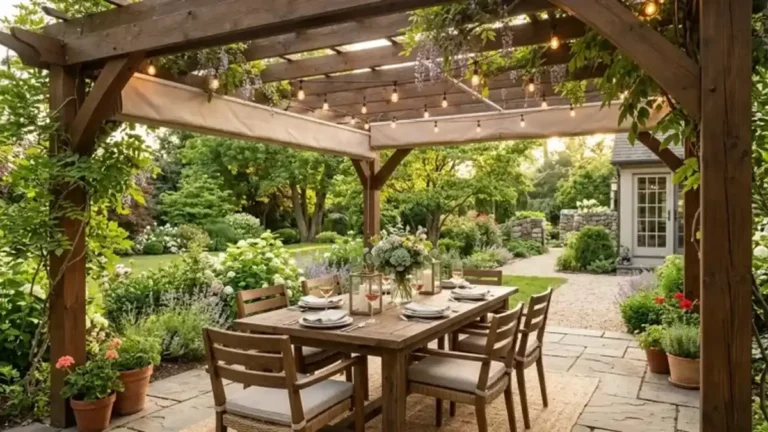
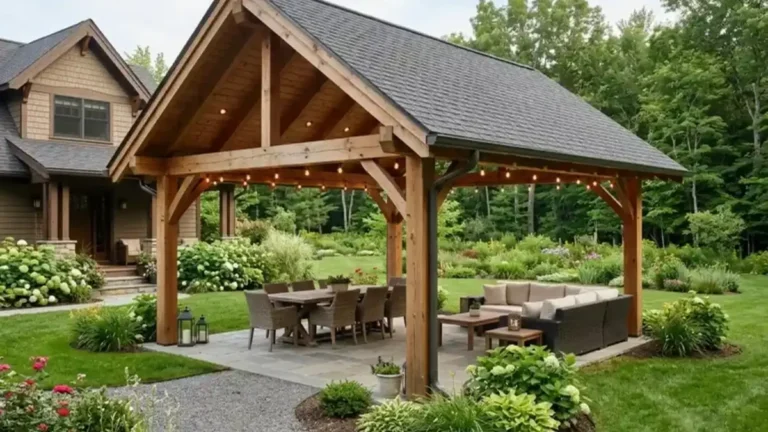
Create an Outdoor Dining Room
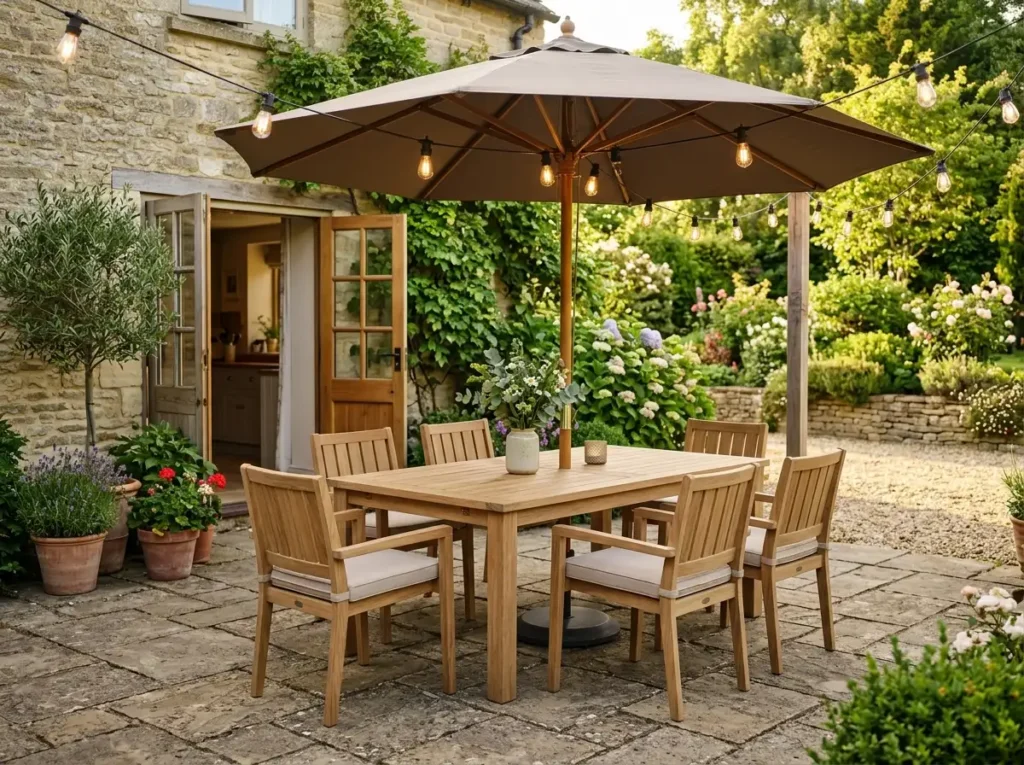
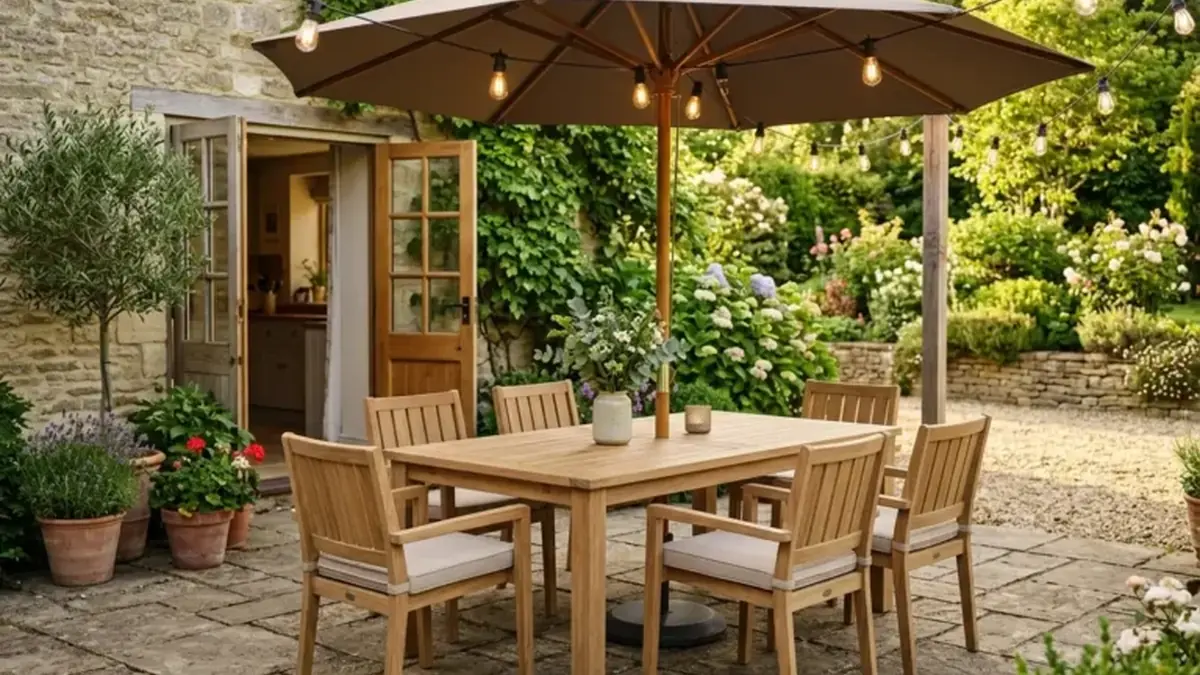
An outdoor dining area gives your yard a clear purpose. It can be as simple as a small table on pavers or as large as a covered patio with lighting and a grill.
Place the dining space near the kitchen when possible. A shorter path makes it easier to carry food, plates, and drinks. Leave enough room to pull chairs out without hitting a wall, planter, or path.
Shade is important. A pergola, umbrella, sail, or tree canopy can make the area more comfortable during warm afternoons. Choose a surface that is easy to sweep and strong enough for table legs.
Add lighting that covers the table without shining into people’s eyes. A nearby outdoor outlet can also support small lights, fans, or serving tools.
Best for: Family meals and weekend guests
Maintenance: Low
Budget: $$ to $$$
Watch out for: Poor shade and tight walkways
Add a Deck With Built-In Planters
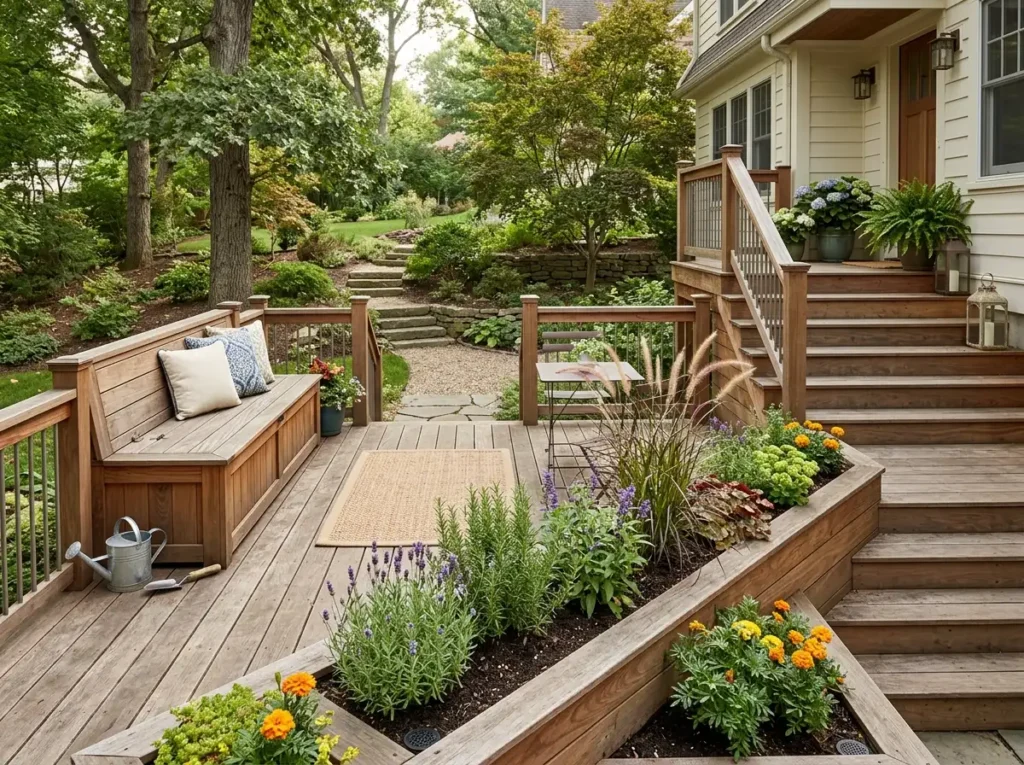
A deck can solve problems in a sloped yard or at a home with a raised back door. It creates a level platform without moving as much soil as a large patio may need.
Built-in planters soften the hard edges and help the deck feel connected to the yard. Choose plants that can handle heat near the deck surface. Make sure water can drain without damaging the structure.
A storage bench can hold cushions, toys, or garden tools. It also adds seating without taking up extra floor space. Leave access points for cleaning and repairs.
Decks need care. Wood may need sealing or staining. Composite boards cost more at the start but often need less surface work. Check local permit rules before building or changing a raised structure.
Best for: Sloped lots and raised entrances
Maintenance: Medium
Budget: $$$
Watch out for: Long-term surface care
Design a Water Feature Seating Nook
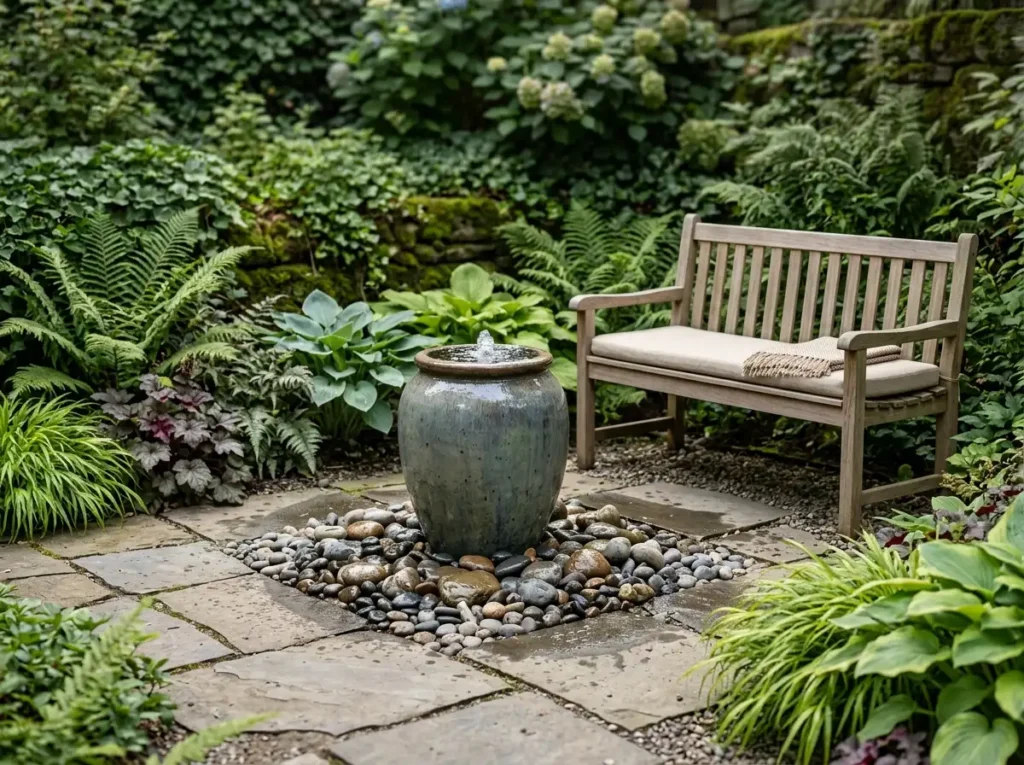
Running water can soften street noise and make a small corner feel calm. A recirculating fountain, wall feature, or bubbling pot uses the same water again and again.
Keep the feature in scale with the yard. A large waterfall may overwhelm a small space, while a small fountain can disappear in a wide garden. Place seating close enough to hear the water without getting splashed.
You will need safe power access for a pump. Clean the basin and check the water level often. In cold areas, some features need winter care to prevent cracks.
Surround the nook with shade plants, smooth stones, or a small bench. Avoid deep standing water when young children or pets use the yard.
Best for: Quiet seating and masking nearby noise
Maintenance: Medium
Budget: $$
Watch out for: Pump care and standing water
Practical No-Grass Ideas for Pets, Drainage, and Dry Yards
Some yards need to fix a daily problem before they can look better. Muddy dog paths, standing water, and dry soil are common reasons people search for no grass backyard ideas. These three plans focus on function first.
Create a Pet-Friendly Paver and Mulch Zone
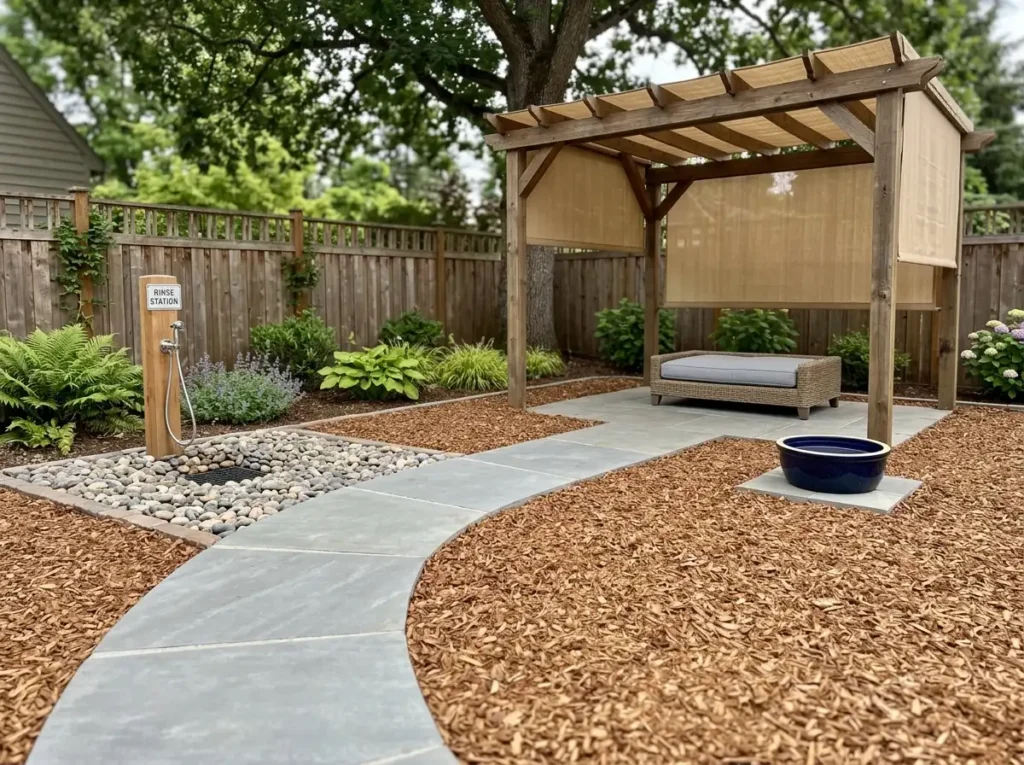
Dogs can wear paths into a lawn, dig bare patches, and create muddy areas near doors. A mix of smooth pavers and pet-safe mulch can create a cleaner, easier-to-use yard.
Use firm pavers on the routes your dog follows most. Add a shaded resting place and keep drinking water nearby. For open areas, choose mulch that is safe for pets. Avoid cocoa mulch because it can be harmful if eaten.
A separate bathroom area can make cleanup easier. Use a surface that drains well and can be rinsed. Keep sharp stone away from running paths because it may hurt paws.
Before adding plants, check whether they are safe for your pets. Many common garden plants can cause illness when chewed.
Best for: Dogs that damage lawns or track in mud
Maintenance: Medium
Budget: $$
Watch out for: Toxic plants and unsafe mulch
Add a Dry Creek Bed and Rain Garden
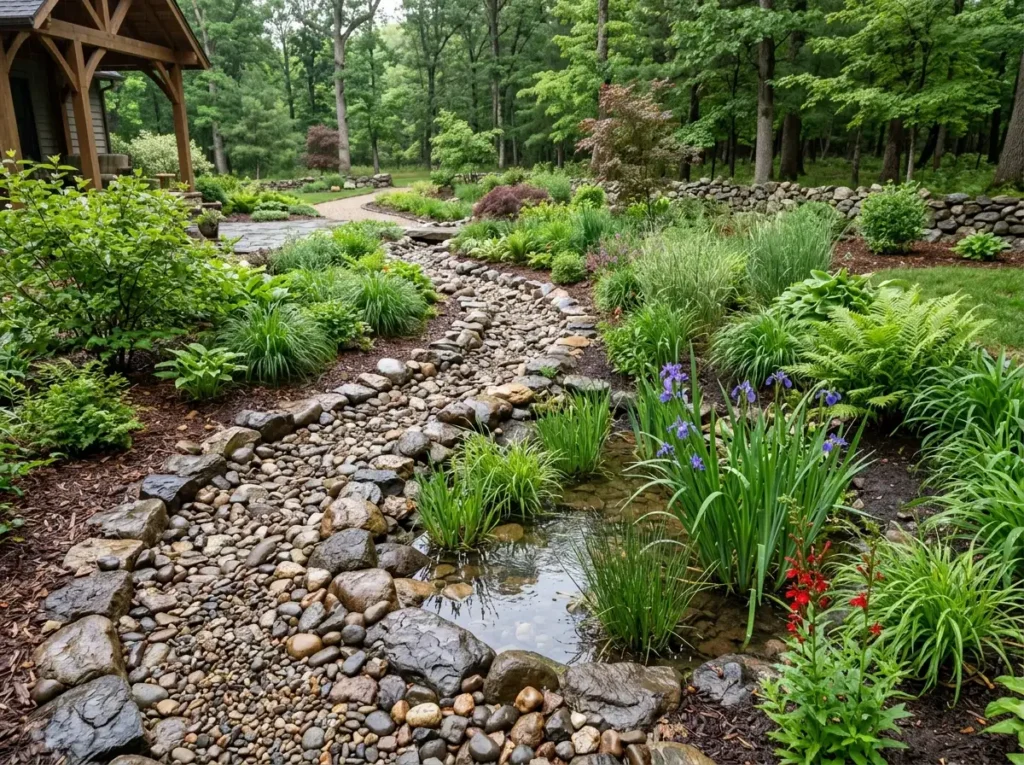
A dry creek bed can guide rainwater through a low area while adding a natural feature to the yard. A rain garden can collect some of that water and help it soak into the soil.
Use a mix of stone sizes instead of placing one type in a straight line. A natural creek bed usually bends and changes width. Add plants that can handle both wet periods and dry days.
Do not direct water onto a neighbor’s land or close to your foundation. Check local drainage rules before connecting roof runoff. Major flooding, erosion, or steep slopes may need help from a grading or drainage professional.
This idea works best when it follows the existing flow of the property. Decorative stone alone will not fix a serious drainage problem.
Best for: Low spots and visible runoff paths
Maintenance: Low to medium
Budget: $$ to $$$
Watch out for: Poor grading and foundation risk
Build a Modern Xeriscape With Rocks and Plants
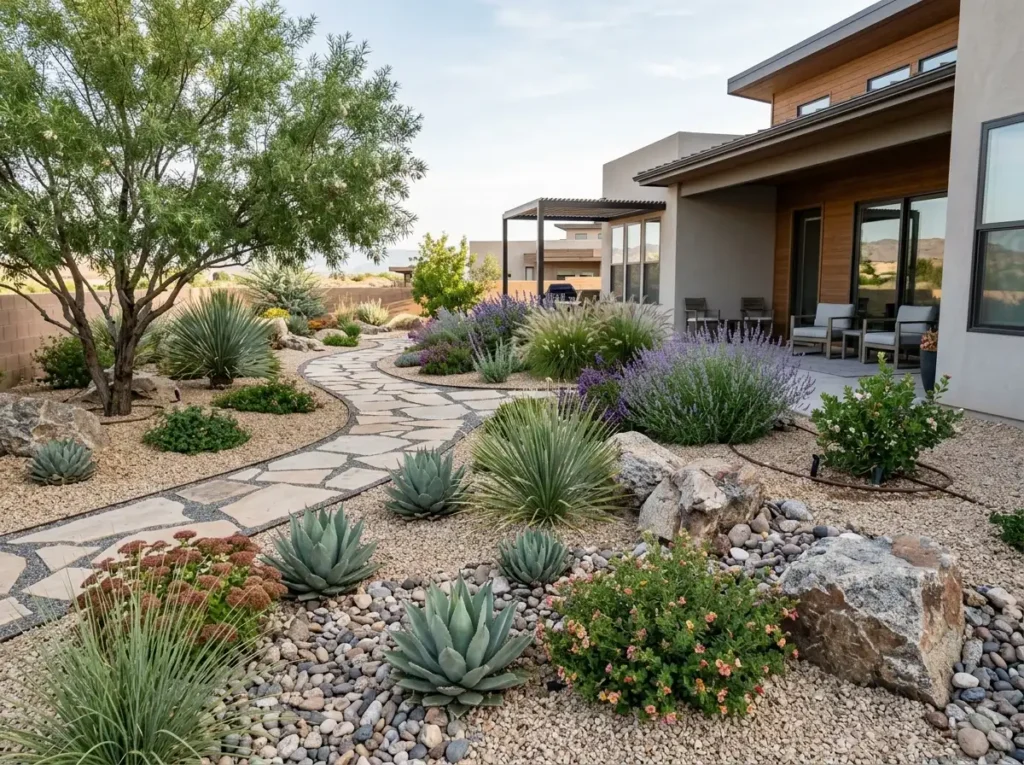
Xeriscaping uses plants and materials that fit dry conditions. It does not mean covering the whole yard with hot gravel. A good design still includes living plants, shade, and comfortable paths.
Group plants by water needs. Place plants that need more water closer to the house or water point. Use drought-tolerant shrubs, flowers, and grasses in drier zones. Large stones can add shape and reduce the need for many small decorations.
Choose light-colored rock or mulch in areas that receive strong sun. Dark stone can hold heat and make nearby seating less comfortable. A shade tree or pergola can also make the yard easier to use.
Drip irrigation may help new plants settle. Once the roots grow well, many dry-climate plants need less extra water.
Best for: Dry climates and water-saving yards
Maintenance: Low after planting settles
Budget: $$ to $$$
Watch out for: Too much rock and too little shade
Compare No-Grass Backyard Materials Before You Buy
The cheapest material at the start may not be the cheapest over time. Loose gravel may need raking and topping up. Wood mulch may need to be replaced. Pavers cost more, but they can provide a firm surface for many years when installed well.
Think about how the surface will feel under bare feet, furniture, wheels, and pet paws. Also check how it handles rain. A firm patio may need planned drainage, while gravel can allow more water through when the base is prepared correctly.
| Material | Starting Cost | Upkeep | Drainage | Heat Level | Best Use |
| Pea gravel | Low | Medium | Good | Medium | Informal seating |
| Decomposed granite | Low to medium | Medium | Good | Medium | Paths and courtyards |
| Concrete pavers | Medium to high | Low | Depends on design | Medium to high | Patios and dining |
| Flagstone | High | Low to medium | Good with gaps | Medium | Garden paths |
| Wood mulch | Low | Medium to high | Good | Low | Planting beds |
| Decking | High | Medium | Water passes below | Varies | Raised living areas |
Get local prices for your top two choices. Delivery, base work, edging, drainage, and labor can change the final cost more than the surface material itself.
Choose the Best Grass-Free Design for Your Yard
The best design depends on what you need most. A yard for dogs needs different surfaces than a quiet garden. A shaded lot also needs a different plan than a hot, dry yard.
Do not cover every part of the space with one material. A mix often works better. For example, you could use a paver patio for dining, native beds along the fence, and a gravel path between the two.
| Your Main Need | Best Options |
| Lowest starting cost | Gravel courtyard, mulch beds, decomposed granite |
| Lowest upkeep | Paver patio, native shrubs, stabilized paths |
| Best for shade | Woodland garden, deck, flagstone path |
| Best for dogs | Paver zone, pet-safe mulch, shaded run |
| Best for drainage | Rain garden, dry creek bed, permeable pavers |
| Best for entertaining | Dining patio, deck, fire pit lounge |
| Best for dry climates | Xeriscape, native plants, decomposed granite |
| Best for small yards | Bistro patio, wall planters, container garden |
Choose two or three ideas that support the same goal. This gives the yard variety without making it feel crowded.
Avoid These No-Grass Landscaping Mistakes
A grass-free yard can still create extra work when the plan ignores heat, water, access, or weeds. One common mistake is replacing the whole lawn with a single hard surface. A yard covered only with stone may become hot, collect leaves, and feel empty.
Another mistake is changing the grade without checking water flow. Patios, edging, and raised beds can block runoff. Water may then collect near the house or move into a neighbor’s yard.
Loose gravel is also a poor choice for every path. It can be hard for wheels, walkers, and furniture. Use a firm surface on main routes and save loose material for lower-traffic areas.
Do not plant based on nursery size alone. Plants need room to grow. Crowding creates more trimming and may block paths later.
Shade is easy to forget. A beautiful patio may sit unused if it gets full sun all afternoon. Add an umbrella, pergola, tree, or covered seating area from the start.
Finally, remember that low maintenance does not mean no maintenance. Gravel needs raking. Pavers may collect weeds in joints. Mulch breaks down. Plants still need trimming and water while they settle.
Create a Backyard That Works Without a Lawn
A successful grass-free backyard needs more than lawn removal. It needs a clear use, safe paths, shade, drainage, and a balance of hard surfaces and plants. You do not need to complete the whole yard at once.
Start by measuring the space and choosing its main purpose. Then select two or three ideas that fit your climate, budget, and daily needs. Price the materials locally before you buy. Get professional help when the project involves major grading, drainage, raised structures, or permits.
The best backyard landscaping ideas without grass create a yard that is easier to use and better suited to your property. A smaller lawn can also be part of the plan if you still want a soft play area without caring for grass across the entire yard.