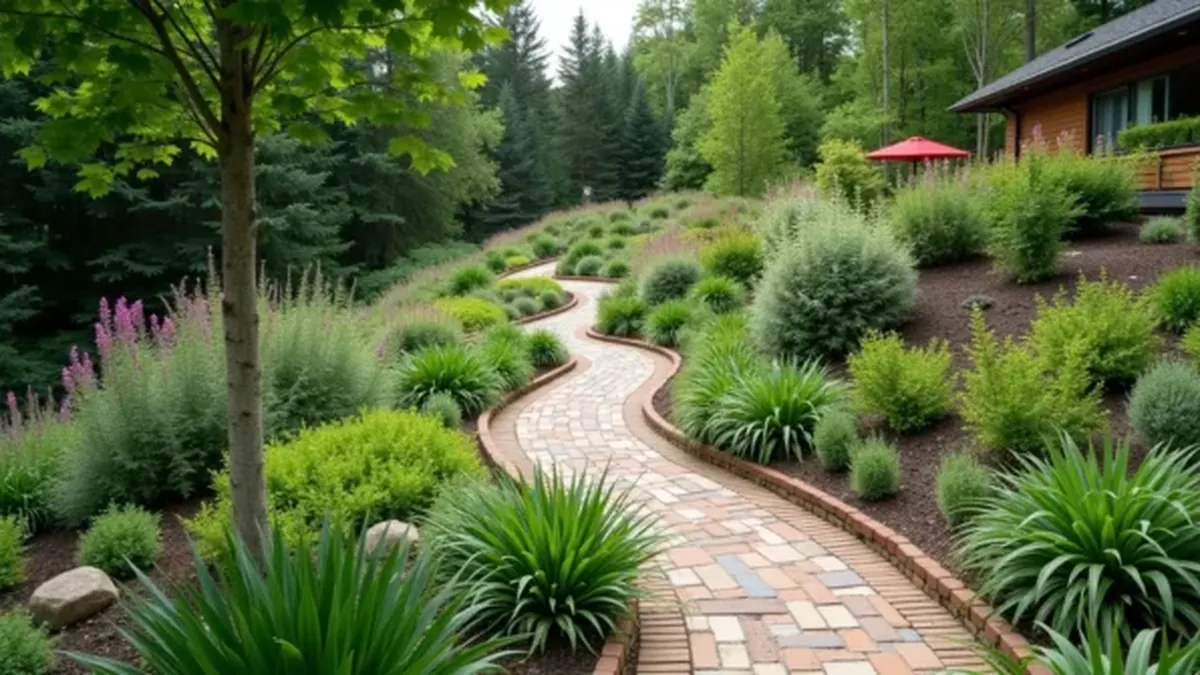
16 Terraced Garden Ideas for Slopes That Work
A steep yard may feel like wasted space, but a few well-planned terraces can make it useful again. The best terraced garden ideas for slopes create flatter areas where you can grow plants, build paths, or add a quiet place to sit.
Terracing can also make a hillside easier to access. It may help manage runoff and hold soil in place when the walls and drainage are built correctly. Without a clear plan, water may collect behind walls or wash soil from one level to the next.
The right layout depends on the size of your yard, the steepness of the land, and how you want to use the space. You can build formal stone levels, simple timber beds, curved flower gardens, or productive vegetable terraces.
These sloped garden ideas will help you compare materials, planting styles, paths, steps, and useful features. Start by measuring the slope and watching where rainwater flows. Tall walls, unstable soil, and major drainage problems should be checked by a qualified landscape professional or engineer.
Use Natural Stone for a Terrace That Lasts
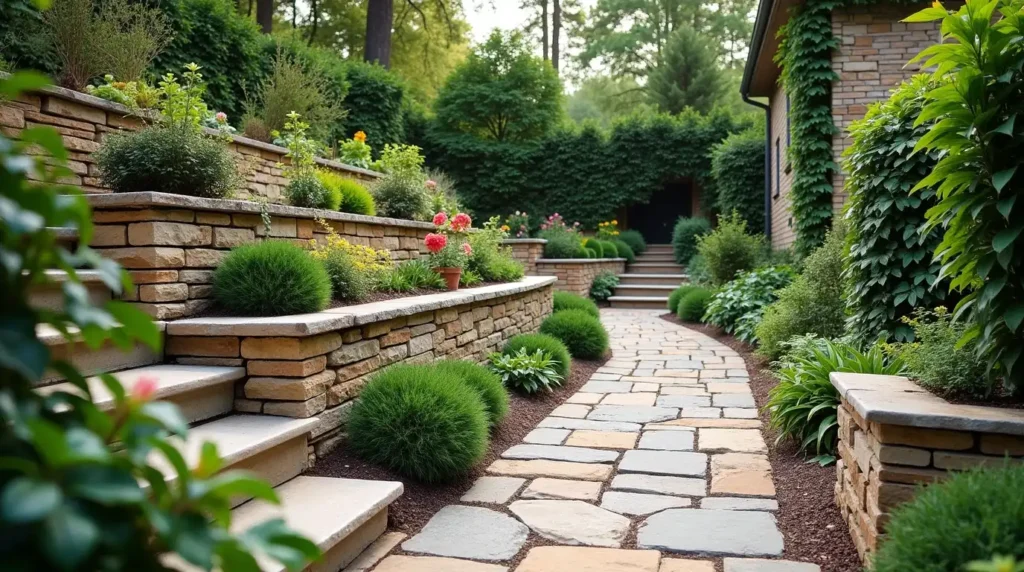
Best for: Traditional homes, cottage gardens, and natural landscapes
Natural stone gives a terraced garden a solid look that fits well with plants. Local stone can make the new walls feel like part of the existing landscape.
Choose irregular fieldstone if you want a relaxed style. Use cut stone when you prefer straight lines and a more formal finish. Several low walls often fit a slope better than one large wall. For example, you could build three shallow levels with a flower bed on each one.
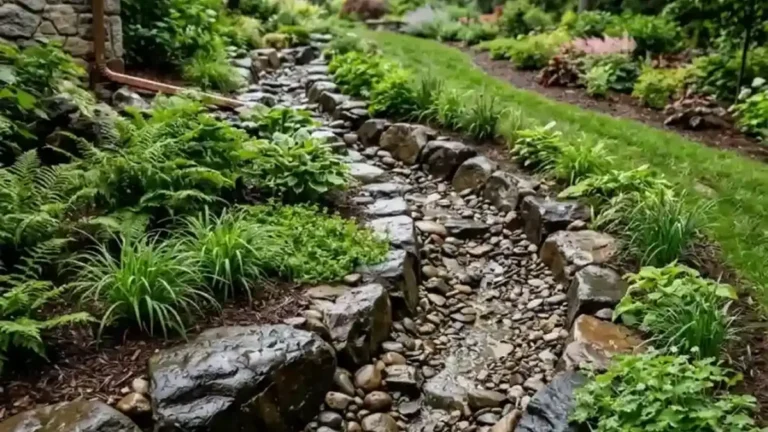
Drainage still matters, even when the wall contains gaps. A solid stone retaining wall may need gravel and a drainage pipe behind it. Water must have a safe place to leave the wall.
Plant lavender, creeping thyme, or small grasses near the edges. These plants can soften the hard surface without hiding the stone.
Stone can be heavy and costly to move. However, it is a strong choice if you want a long-lasting terraced garden design.
Build Timber Terraces for a Warm, Natural Look
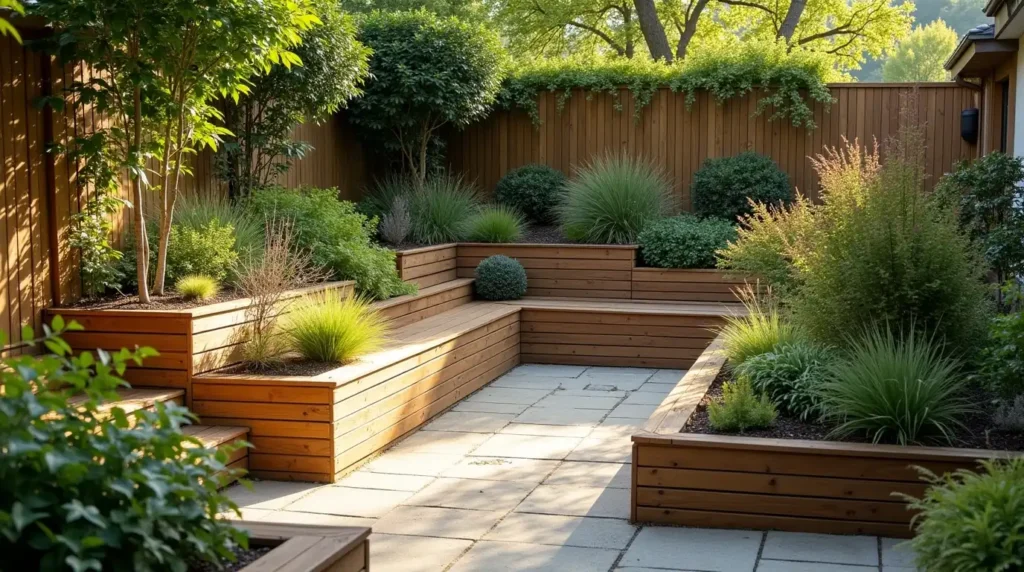
Best for: Woodland yards, cottage gardens, and smaller budgets
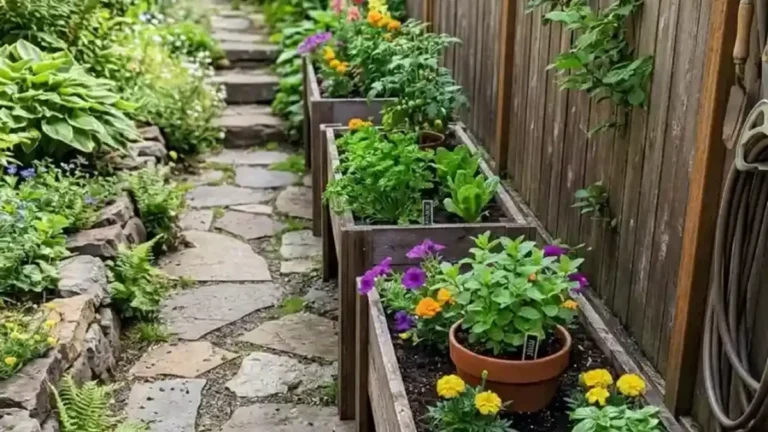
Timber garden terraces feel lighter and warmer than stone or concrete. Long wood boards can form straight beds across a medium slope. You can also stagger the beds to create a less formal layout.
Use rot-resistant wood or lumber rated for ground contact. Check whether any wood treatment is suitable near vegetables, herbs, or fruit. Untreated boards may decay quickly when they stay in contact with damp soil.
A simple layout could include three narrow planting beds with gravel paths between them. The upper bed might hold shrubs. Flowers could fill the middle bed, while herbs grow near the lower path.
Wood usually needs more care than stone or masonry. Check the boards and support posts each year for rot, bending, or movement. Replace weak pieces before the soil begins pushing them out of place.
Timber works well when you want practical terraced garden beds without the heavy look of masonry.
Try Gabion Walls for a Modern Hillside Garden
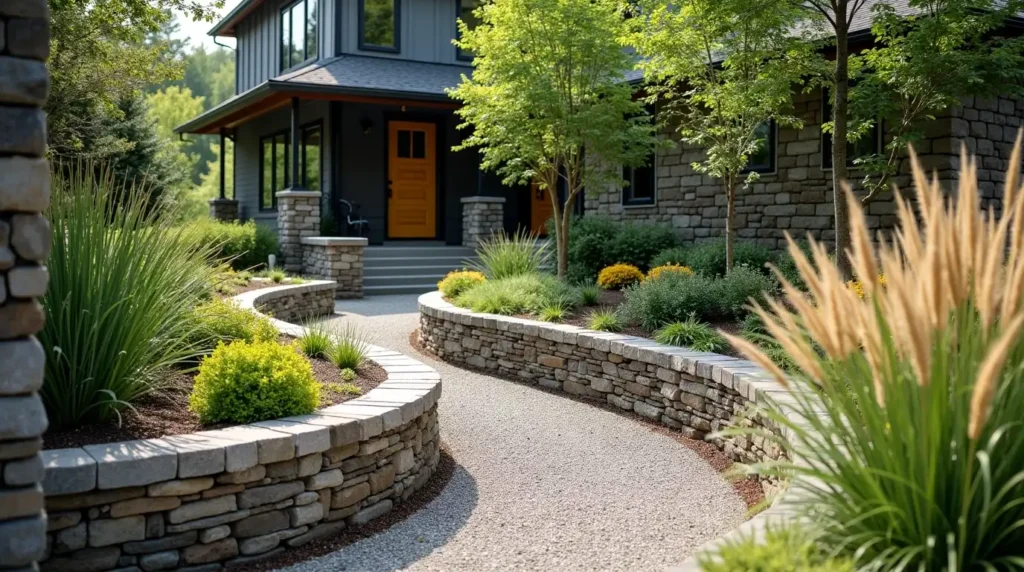
Best for: Modern homes, gravel gardens, and rocky sites
Gabion walls use strong wire cages filled with stone. Their open texture creates a bold look that works well beside modern homes. They also pair well with gravel paths, steel edging, and tall ornamental grasses.
Choose stone that connects with the house or surrounding land. Gray rock can suit concrete and dark siding. Warm brown stone may work better with brick, wood, or tan stucco. Local stone may also cut transport costs.
The spaces between the rocks can allow some water to move through the wall. Still, this does not remove the need for a stable base and a clear drainage plan.
Keep the walls low if you want wide planting levels. This gives the garden a softer look and makes each terrace more useful.
A gabion retaining wall is not a cage that can simply be filled and placed on soil. The wire strength, base, wall depth, and soil load must all be considered before construction.
Create Curved Terraces That Fit the Land
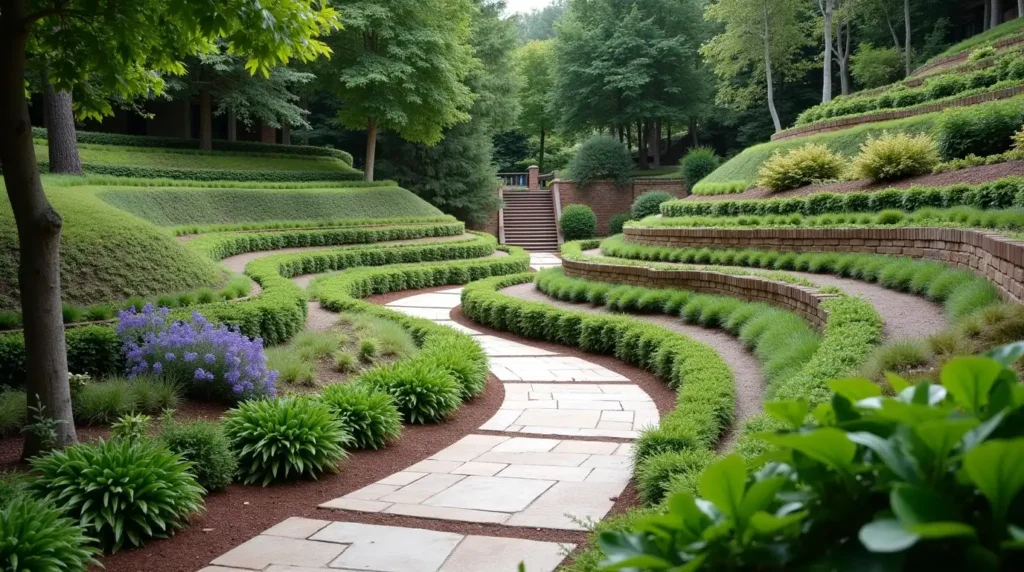
Best for: Wide slopes, informal gardens, and curved patios
Curved garden terraces can make a hillside feel wider and less rigid. Instead of cutting straight lines across the land, let each level follow the natural shape of the slope.
Repeat a similar curve on two or three levels. This helps the beds look connected. One level could wrap around a small lawn, while another frames a round patio or specimen tree.
Place compact shrubs near the back of each terrace. Add flowers and low plants near the front so every layer stays visible. Avoid sharp bends because they can be harder to build, drain, and maintain.
You can form curves with flexible edging, stone, retaining-wall blocks, or poured concrete. Before buying materials, lay a garden hose across the slope. Move it until the curve looks balanced from the house and the bottom of the yard.
A contour-based layout may also guide surface water across the slope instead of letting it rush straight downhill. This only works when each level has a safe drainage route.
Add Wide Steps for Safer Garden Access
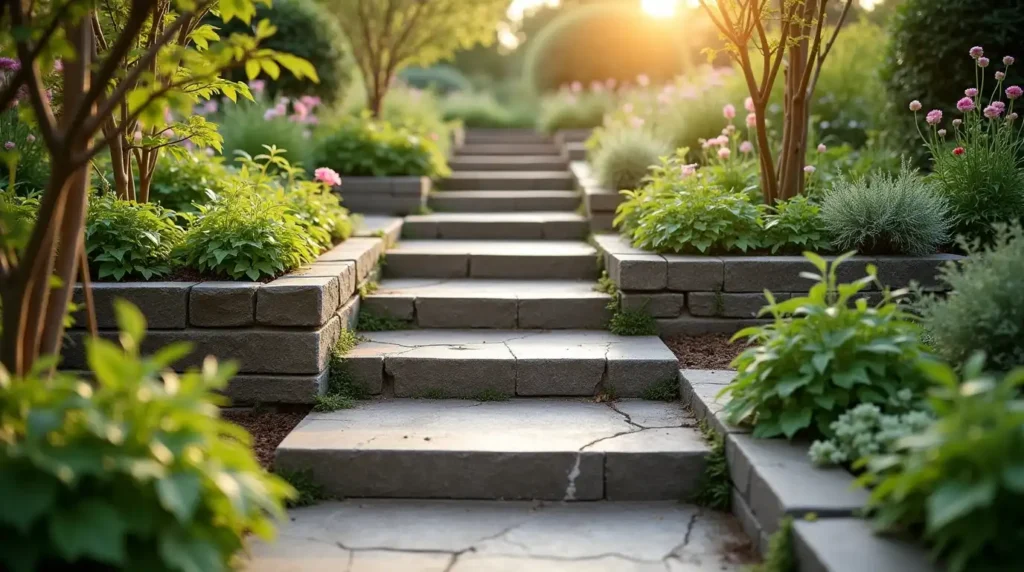
Best for: Steep yards, frequently used gardens, and family spaces
A terrace will be hard to use if you cannot move safely between its levels. Wide central steps provide a clear route for carrying plants, tools, soil, and watering cans.
Match the step material to the retaining walls. Stone steps work well with stone terraces. Timber steps can connect wood-framed beds. Concrete or block steps suit a more modern yard.
Add a level landing where a stairway changes direction. A wide landing gives you space to pause and may hold a container or small bench. Handrails can improve safety on long or steep stairs.
Do not let runoff flow directly down the stairway. It can wash out gravel, stain hard surfaces, and make steps slippery. Guide water to a suitable drain or planted area instead.
Use low lights to mark each change in height. Before construction, check local rules for stair size, handrails, lighting, and permits. These rules can change based on the height and location of the steps.
Turn One Terrace into a Small Seating Area
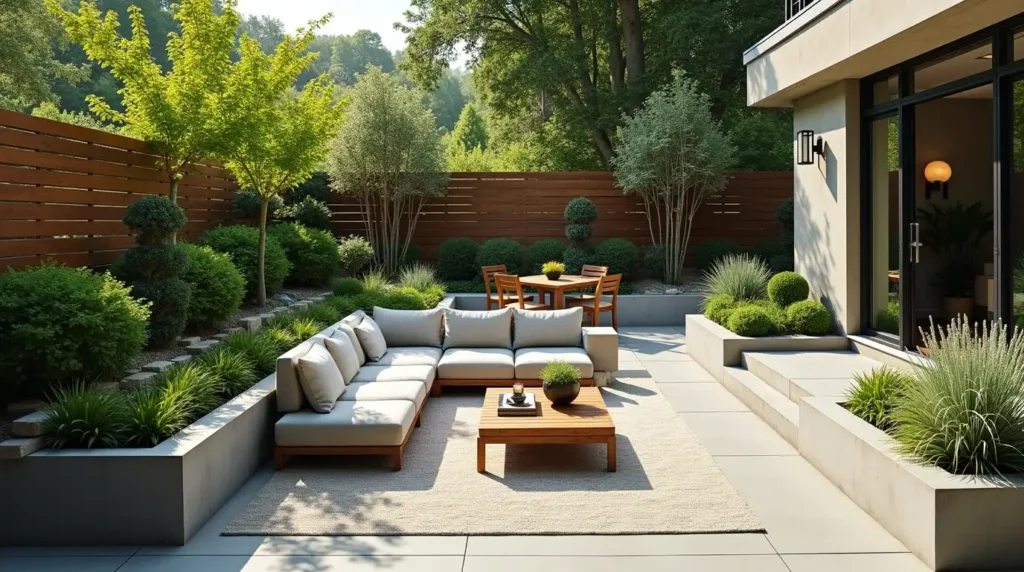
Best for: Viewpoints, quiet corners, and narrow backyards
A flat seating area gives you a reason to spend time on the slope. Choose the widest and most stable terrace, then face the seats toward the best view.
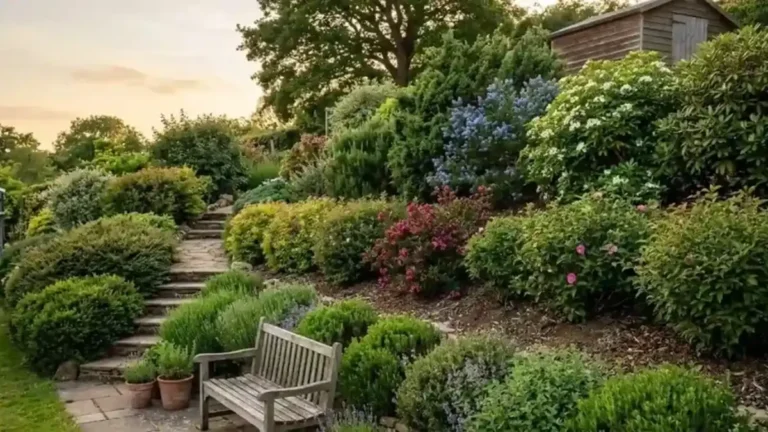
You do not need a full outdoor living room. A single bench can fit against a retaining wall without blocking the path. If you have more room, place two chairs on a small gravel or paved surface.
Use compacted gravel, stone, or pavers to create firm footing. Loose soil can become muddy and may cause furniture to lean. Make sure water drains away from the sitting area.
Add fragrant plants around the edges. Lavender, rosemary, scented geraniums, or other locally suitable plants can make the spot more pleasant. A small tree, umbrella, or open pergola may provide shade.
For a simple hillside seating area, start with one bench and a stable path. You can add containers, lighting, and shade after seeing how often you use the space.
Grow Vegetables in Easy-to-Reach Terrace Beds
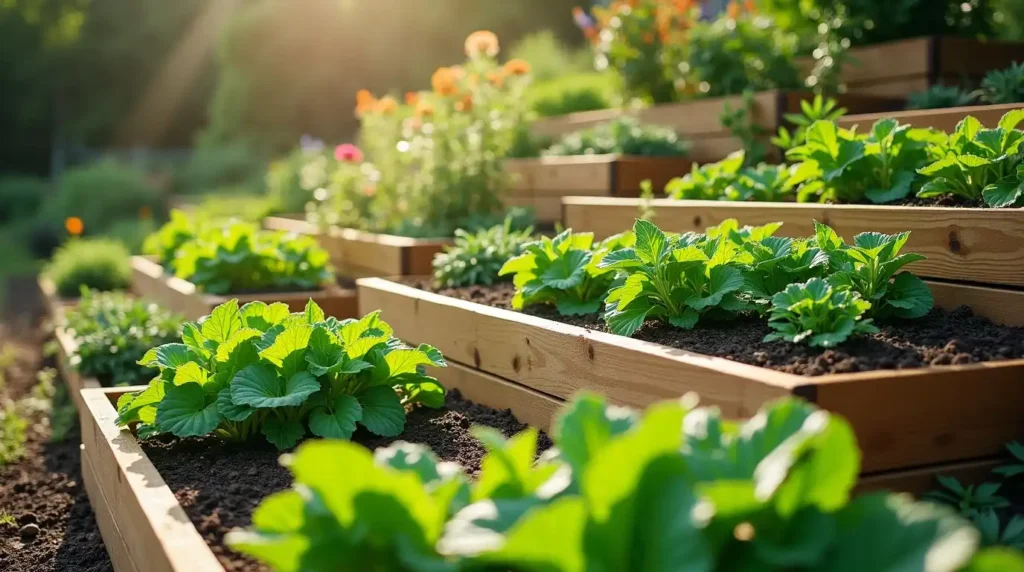
Best for: Sunny slopes, kitchen gardens, and productive yards
A terraced vegetable garden turns a hard-to-mow slope into useful growing space. Flat beds make planting, watering, and harvesting easier. They also give you a safer place to stand.
Check the sunlight before assigning crops to each level. Tomatoes, peppers, squash, and similar crops can use a sunny upper terrace. Leafy greens may do well where taller plants provide light afternoon shade.
Keep the beds narrow enough to reach from the path. You should not need to step on the soil to reach the center. Plan each path before filling the beds because changing the layout later can waste time and soil.
Use drip lines or soaker hoses to place water close to plant roots. Watch the lower beds after heavy rain because water may collect there.
Test the soil before adding fertilizer, compost, or lime. The results can help you avoid adding materials your garden does not need. Place frequently harvested crops near the easiest entrance.
Keep Fresh Herbs Close to the Kitchen
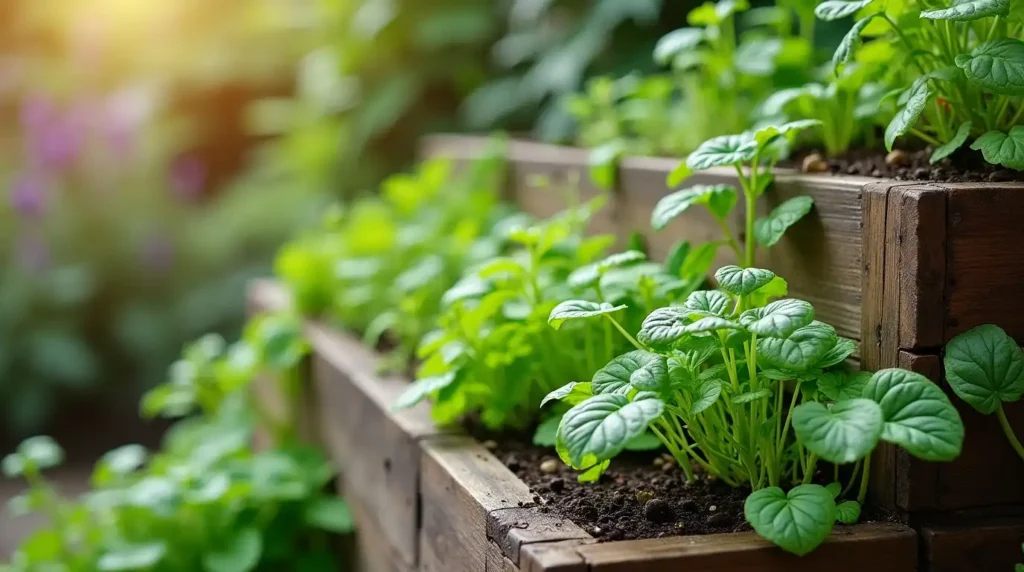
Best for: Small slopes, cooks, and gardens near a back door
A tiered herb garden works best when it is easy to reach. Place it near the kitchen, patio, or main garden path so you can collect herbs without crossing the whole yard.
Group plants by their sun and water needs. Rosemary, thyme, sage, and oregano often prefer sunny soil with good drainage. Parsley and chives may prefer soil that stays more evenly moist.
Give spreading plants their own containers or sections. Mint can quickly move through a bed and crowd smaller herbs. A pot set into the soil can help control its roots.
Use gravel around herbs that need dry conditions. Gravel can reduce soil splash and give the terrace a neat finish. Keep plant labels near the path so you can read them without stepping into the bed.
A short set of steps can connect the kitchen door to each level. Keep your most-used herbs closest to the entrance for quick harvesting.
Fill the Terraces with Pollinator-Friendly Flowers
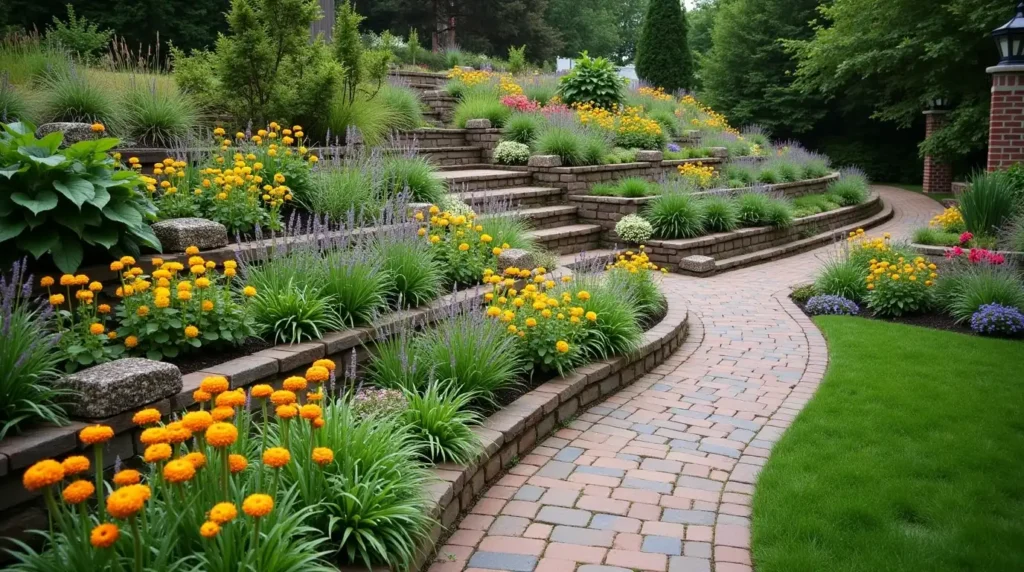
Best for: Wildlife gardens, colorful slopes, and low-mowing yards
Flower-filled terraces can provide color from spring through fall. They also offer food and shelter for bees, butterflies, and other helpful insects.
Choose several plants that flower at different times. Place early bloomers on one level, summer flowers on another, and late-season plants throughout the beds. This keeps the hillside colorful for more than a few weeks.
Plant flowers in groups instead of scattering one plant of each type. Larger groups are easier to see from a distance. They also create a stronger design.
Put taller flowers, grasses, and shrubs at the back of each level. Keep shorter plants near walls and paths so they remain visible. Leave some healthy seed heads and hollow stems through winter when suitable for your garden.
Use native plants that match your soil, light, and local weather. Your extension office or native plant society can help you find suitable choices for a pollinator terrace garden.
Soften Hard Wall Edges with Ground Covers
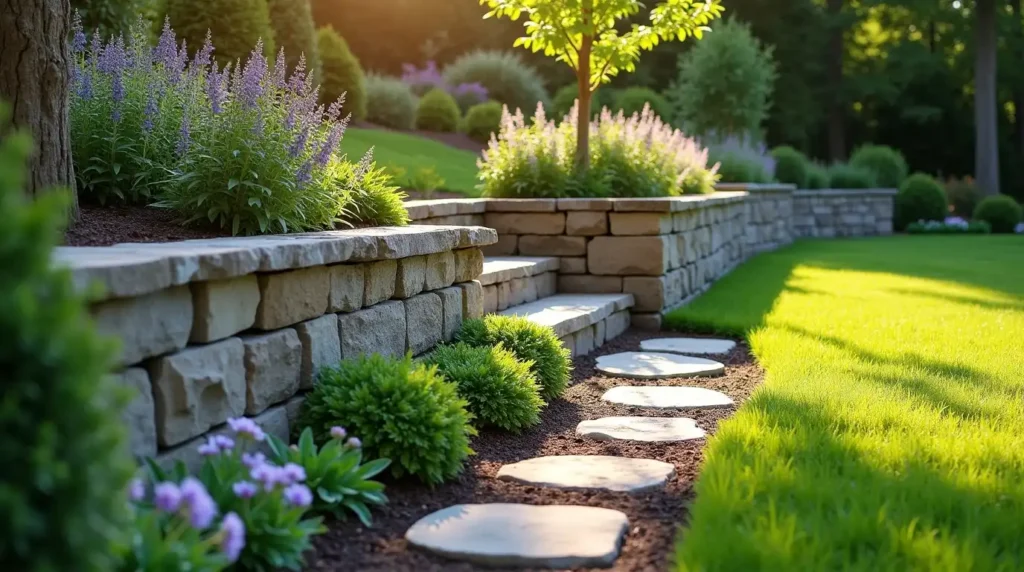
Best for: Stone walls, exposed soil, and low-maintenance planting
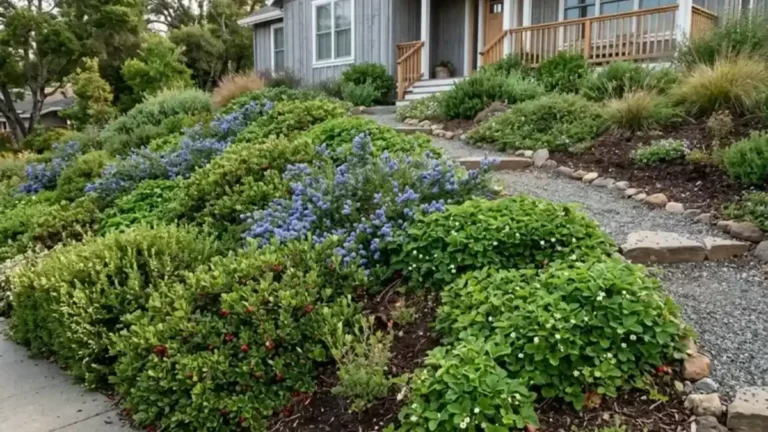
Ground covers help hard retaining walls blend into the garden. Trailing plants can hang over an edge, while low spreading plants cover bare soil behind it.
Choose plants based on the conditions of each terrace. Creeping thyme may work along a sunny, dry stone wall. A shaded level beneath trees will need plants that can handle lower light and steady moisture.
Low grasses can also soften concrete or block walls. Their narrow leaves move in the wind and add contrast to solid materials. Keep mature plant size in mind so paths do not become blocked.
Avoid aggressive plants that can spread into lawns, nearby gardens, or natural areas. A fast-growing ground cover may save work at first but create a larger problem later.
Keep all wall drains and open joints free of roots, mulch, and soil. Ground cover for slopes should protect exposed soil without stopping the wall’s drainage system from working.
Make a Dry-Climate Terrace with Gravel
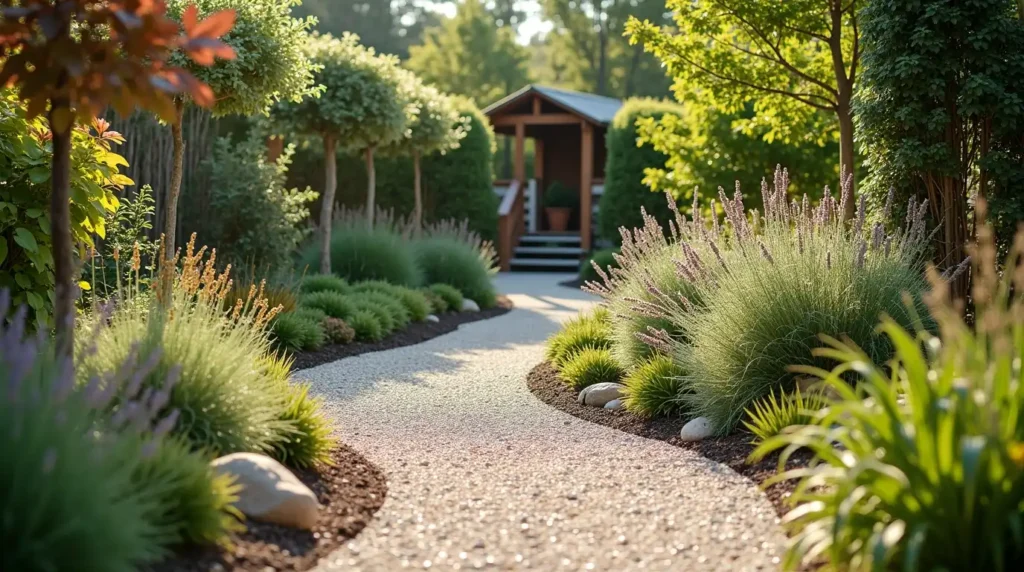
Best for: Hot slopes, sunny yards, and low-water gardens
A sunny hillside can become hot and dry during summer. Gravel and hardy plants can turn that difficult space into a simple low-water garden.
Choose plants that suit your local climate rather than relying on a general drought-resistant label. Yucca, agave, sedum, and dry-climate grasses may work in some regions. They may fail in places with cold, wet winters.
Group plants that need similar amounts of water. Place drip lines under gravel or another suitable surface cover so moisture reaches the roots. Improve the soil drainage where plants cannot handle wet conditions.
Warm stone walls can create small planting areas for sun-loving plants. Leave open gravel between plant groups so the terrace does not feel crowded. Repeating two or three plant types can create a calm, clear design.
A dry-climate garden still needs water while new plants establish roots. It may also need occasional deep watering during long periods without rain.
Manage Runoff with a Lower Rain Garden
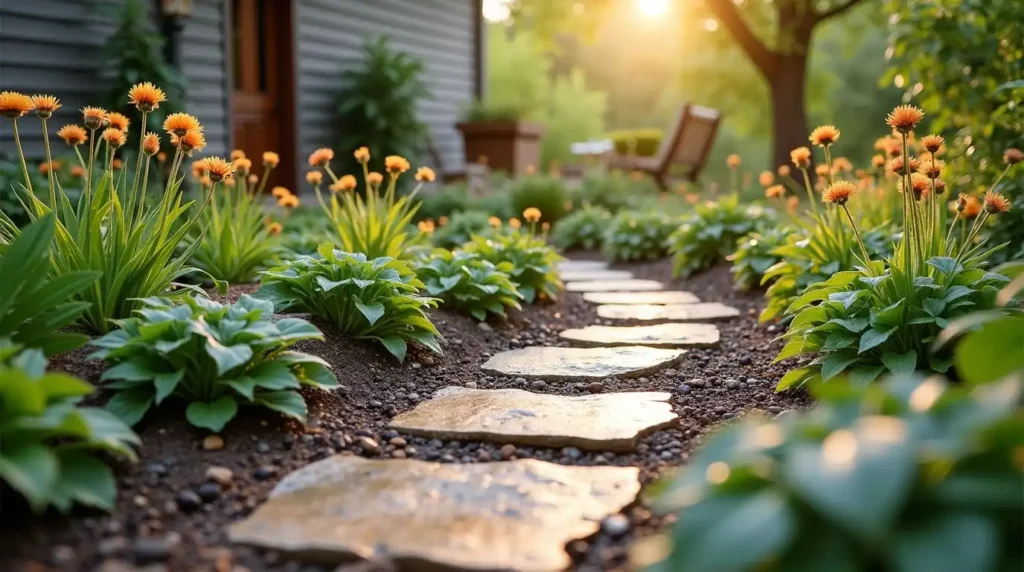
Best for: Lower terraces, seasonal wet areas, and controlled roof runoff
Water often moves to the bottom of a sloped yard. A carefully placed rain garden can collect some of that runoff and allow it to soak into the soil.
A rain garden should hold water for a short time. It should not remain flooded like a pond. Test how quickly the soil drains before changing the shape of the land.
Create a shallow basin on a stable lower terrace. Fill it with deep-rooted plants that can handle both brief wet periods and drier weather. Native plant sources can help you find choices for local conditions.
Every rain garden needs a safe overflow route for heavy storms. Keep collected water away from foundations, septic systems, utility lines, and unstable ground. Do not send runoff onto a neighbor’s property.
Roof water may be directed into the garden if the site allows it. However, large drainage problems need professional help. A rain garden cannot repair a failing retaining wall or make an unstable slope safe.
Build a Zigzag Path Across a Steep Slope
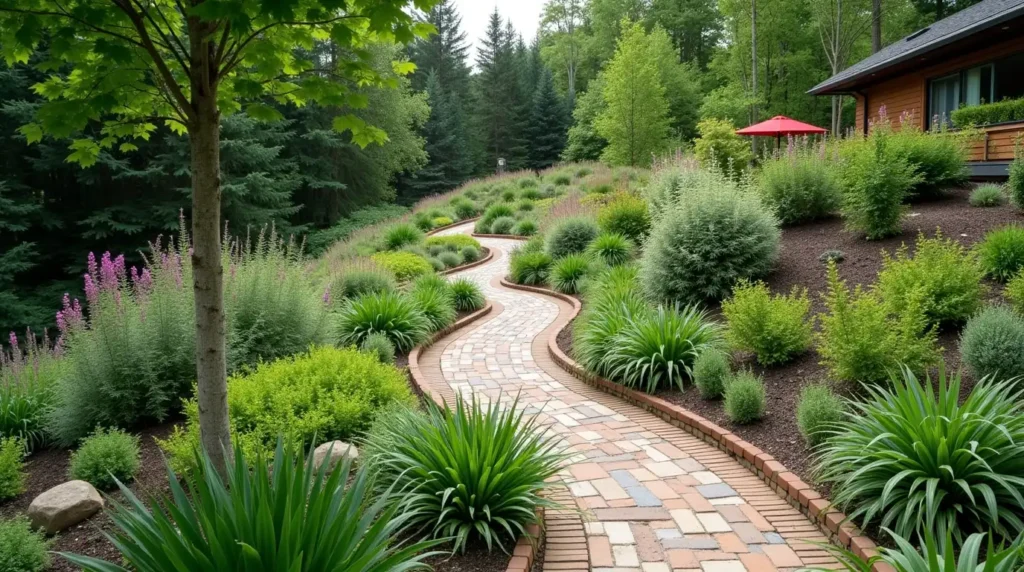
Best for: Long hillsides, gradual access, and large gardens
A path that travels back and forth across a slope can feel easier to walk than a straight uphill route. This layout is often called a switchback path.
Create a level landing at each turn. The widest landing may hold a bench, container, sculpture, or feature plant. These resting points also break up a long climb.
Choose a firm surface with good grip. Compacted gravel can work when it has a stable base and strong edging. Stone, concrete, or textured pavers may be better for areas that receive heavy use.
Make the path wide enough for its purpose. A narrow walking trail needs less space than a route used for wheelbarrows or garden carts. Keep plants trimmed so they do not cover the edges.
Add low lighting near turns, steps, and changes in height. A well-planned hillside garden path should make every terrace easier to reach in both directions.
Mix Two Wall Materials for More Character
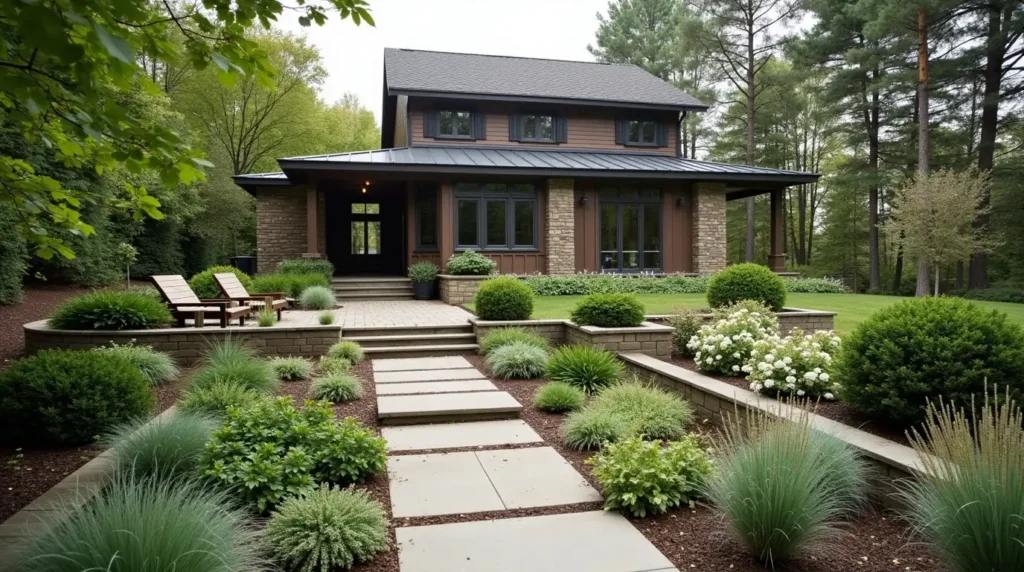
Best for: Updated landscapes, mixed-style homes, and phased projects
Using more than one material can give a terraced garden extra character. The key is to follow a clear visual rule.
Choose one main material and one supporting material. For example, use stone for the lower retaining walls and timber for small upper beds. You could also soften plain concrete walls with wood steps and benches.
Repeat a color or texture from the house. Brick terraces may connect with a brick patio. Gray stone can match a roof or walkway. This small detail can make separate parts of the yard feel related.
Avoid mixing too many finishes. Stone, brick, concrete, timber, and metal in one small space may make the slope look busy. Two main materials are usually enough.
Appearance should never replace structural needs. Each material must suit the wall height, soil load, moisture level, and site conditions. Use decorative materials on low beds if they cannot safely hold a larger amount of soil.
Add Lighting for Safer Evening Use
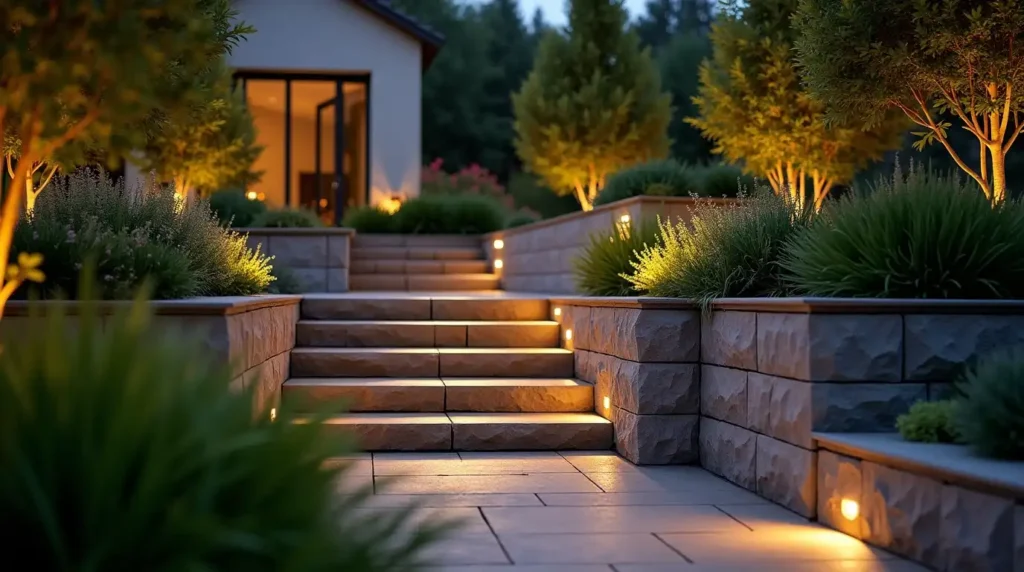
Best for: Garden steps, seating terraces, and dark side yards
Terraced garden lighting makes paths and changes in height easier to see after sunset. Start with the places where a missed step could cause a fall.
Install lights near stair treads, landings, path turns, and wall edges. Downward-facing fixtures can light the walking surface without shining into your eyes. Under-cap lights can also create a soft glow beneath retaining-wall tops.
Keep wiring away from walking and digging areas. Mark underground cable routes so you do not damage them while planting. Ask a qualified installer for help when electrical work is outside your skill level.
Decorative solar lights can add a gentle glow. However, they may become dim after cloudy weather or in shaded spots. Do not rely on them as the only light for important steps.
Once safety areas are covered, use a few accent lights on a tree, stone wall, or feature plant. Too many bright fixtures can make a small hillside feel harsh.
Give Every Terrace a Useful Purpose
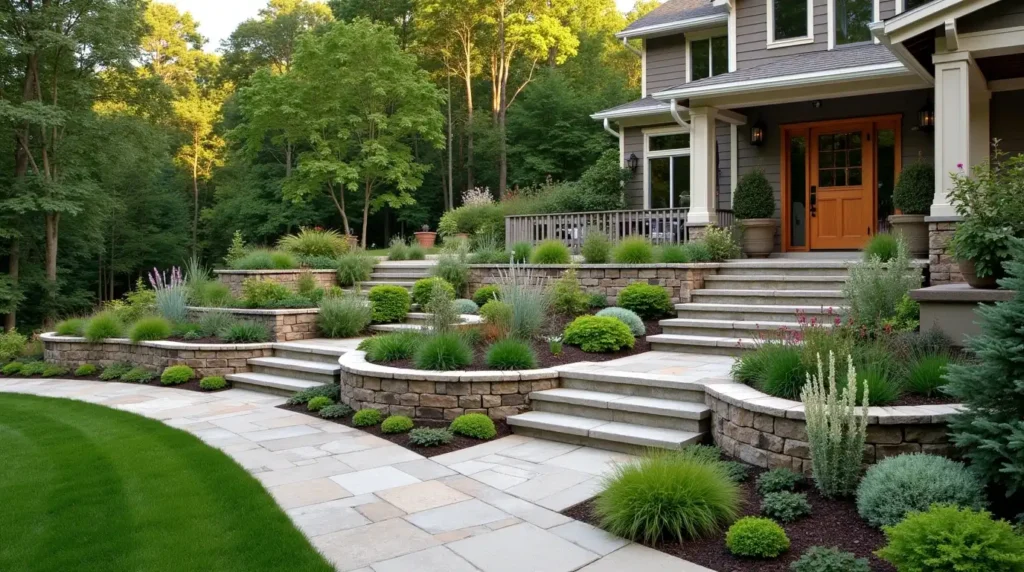
Best for: Family yards, large slopes, and spaces with several needs
A multiuse terraced garden works best when each level has one clear job. This keeps the slope useful without making it feel crowded.
The upper terrace could hold a small seating area with a view. Middle levels may contain flowers, shrubs, or herbs. A lower terrace near the water source could hold vegetables that need regular care.
Look for small storage options. A weather-resistant bench may hold hand tools, gloves, or seat cushions. Keep stored items dry and away from soil pressing against the wall.
Connect the levels by repeating one material or plant color. Stone edging, matching path gravel, or the same grass on each level can bring the whole design together.
Sketch the layout before construction. Mark the walls, paths, steps, beds, seating, water lines, and drainage routes. This simple plan can reveal narrow paths or crowded areas before they become costly problems.
Among all the terraced garden ideas for slopes, a multiuse layout offers the most flexibility for a busy household.
Plan Your Terraced Garden Before You Start Digging
Terraces can turn a difficult hillside into stable planting beds, useful paths, productive gardens, and comfortable seating areas. Start with drainage, safe access, and strong walls. Decorative plants and furniture can come later.
Choose materials that fit your home, climate, budget, and ability to handle future upkeep. Several small levels may be easier to build and maintain than one tall retaining wall.
Measure the slope and watch how water moves after rain. Then choose two or three ideas that support the way you want to use the yard. Sketch every level before ordering stone, timber, or plants. Use these terraced garden ideas for slopes as a starting point, then adjust the layout to fit your land.